
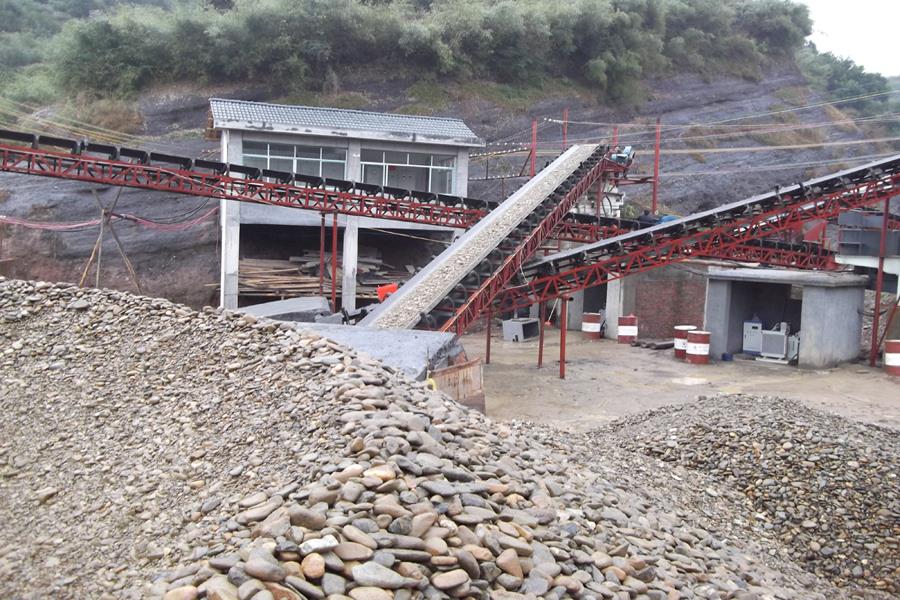
What is the typical configuration of a stone crushing production line
With the rapid development of the infrastructure industry and the resulting shortage of sand and gravel, many customers new to the sand and gravel industry and crushing equipment are eager to try their hand at it. However, their understanding of the industry and equipment is limited, leading to questions about the configuration of stone crushing production lines. In actual production, the main function of any ore crushing production line is to crush various ores and sand and gravel to a reasonable particle size and shape. The configuration of the production line involves the following five stages:
1. Feeding Stage: Large pieces of ore blasted from the mountain are pulled into the feeding hopper by a loader and continuously and evenly fed into primary crushing equipment such as jaw crushers and gyratory crushers by a feeder. In the feeding stage, we commonly use vibrating feeders, which have a simple structure, high pre-screening efficiency, and can feed material evenly.
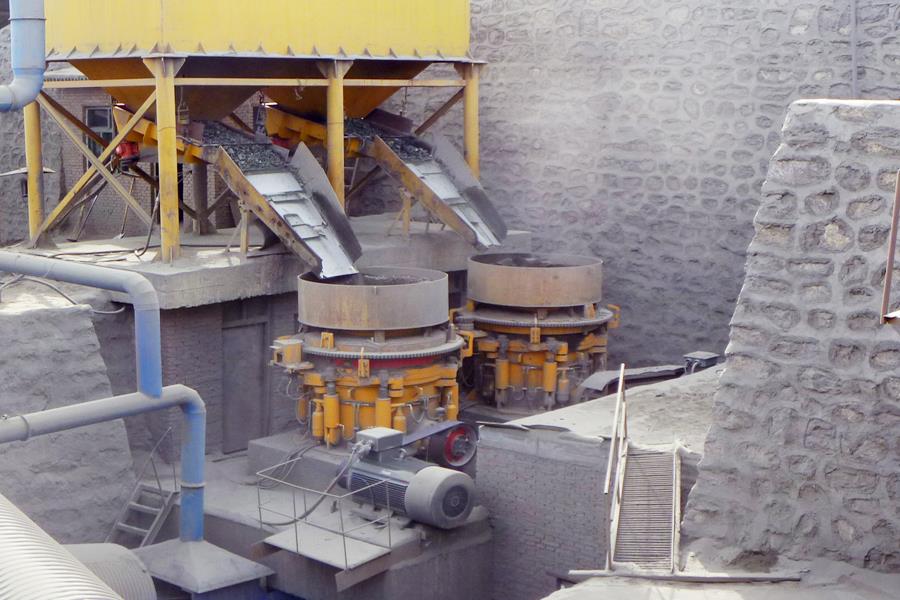
2. Crushing Stage: The crushing process involves several types of crushers, mainly coarse, medium, and fine crushing equipment. These crushing devices are divided into compression type and impact type according to their working principles. Compression crushing equipment mainly includes jaw crushers and cone crushers, used for crushing ores with high hardness, such as pebbles, granite, and basalt. Impact crushers mainly include hammer crushers and impact crushers, recommended for crushing ores with relatively soft hardness, such as limestone, bluestone, and coal gangue.
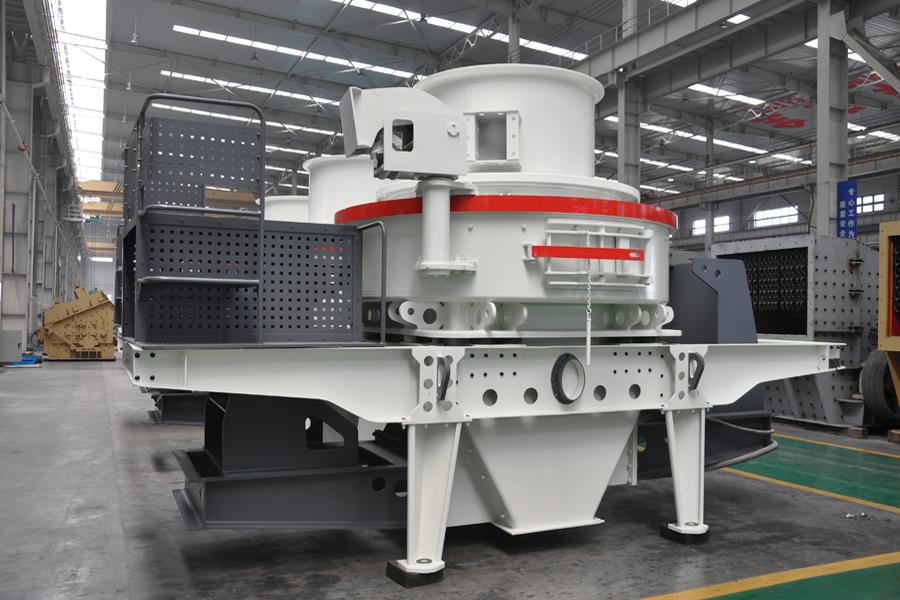
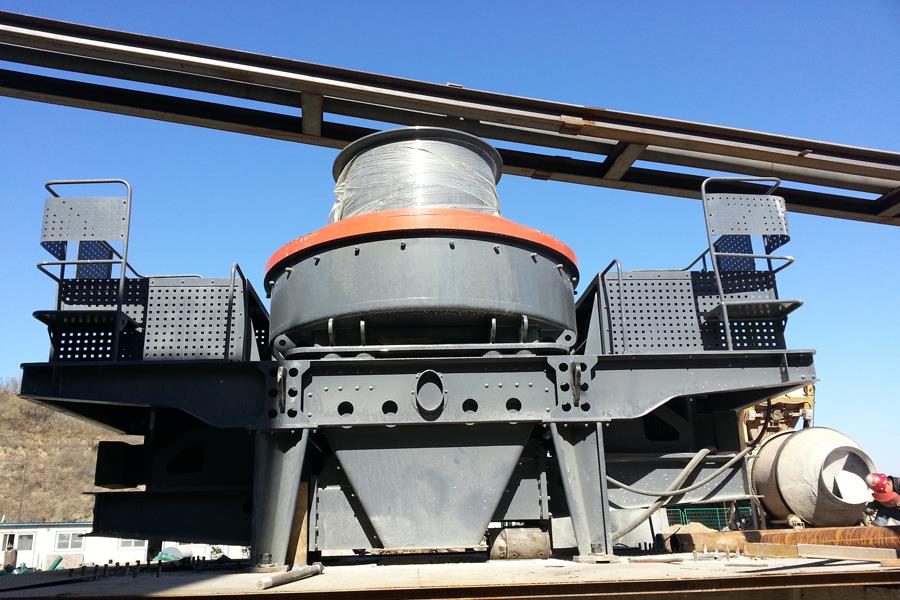
3. Sand Making Stage: The sand making stage is generally used after the crushing stage, where a sand making machine is installed after the crushing process. Vertical shaft impact crushers, vertical compound crushers, and vertical shaft impact crushers are commonly used. The sand making machine further crushes and shapes the stones produced in the crushing process, producing manufactured sand with a size of less than 5mm.
4. Screening Stage: Screening is an auxiliary process. Vibrating screens are used to screen the crushed or sand-made aggregates to obtain the desired finished product size and gradation.
5. Conveying Stage: Conveying, like screening, is also an auxiliary process. Belt conveyors are responsible for transporting materials through various processes and to the finished product. The specific number of conveyor belts required depends on the process requirements.
The configuration of a stone production line is generally relatively simple, with a crusher as the core and feeding, screening, and conveying as auxiliary equipment to complete the entire production. However, because a stone crushing production line consists of many pieces of equipment with overlapping functions, configuring a scientifically sound production line is not a matter of simply copying others. It must be tailored to the specific conditions of the material, output requirements, and finished product specifications, aiming for a production line that is both efficient and cost-effective. For more information on sand making production line equipment configurations, performance parameters, and specific prices, please feel free to contact our online customer service! Our factory also has professional technicians who will provide you with a free, customized production plan based on your production needs!
-
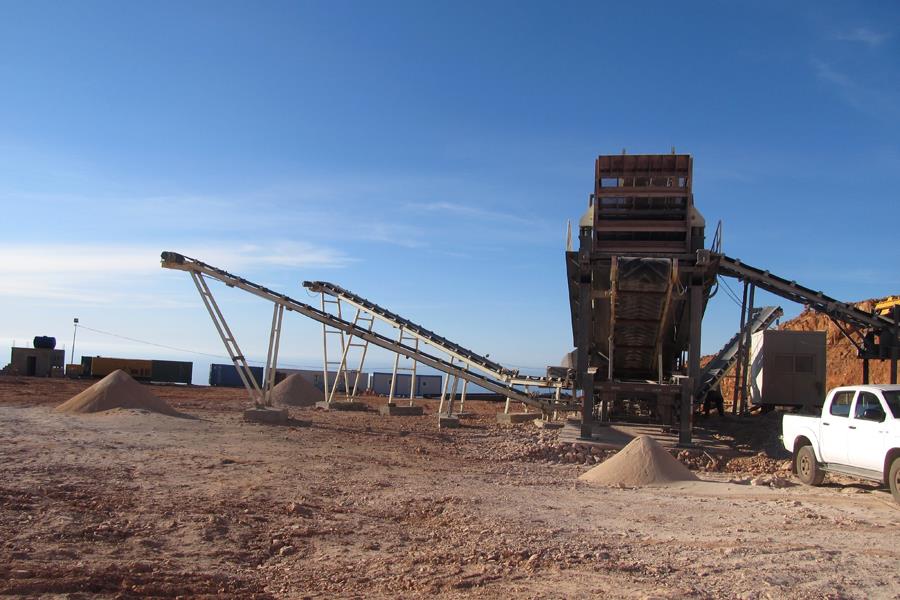
How to Configure a Large-Scale, Green Sand and Gravel Aggregate Production Line
-
-
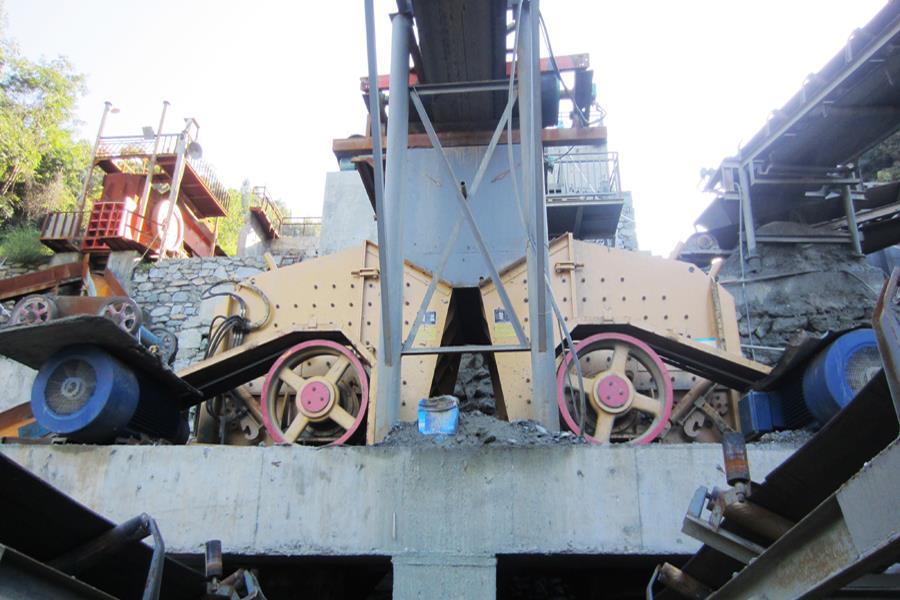
High-Quality Sand and Gravel Aggregate Production Line Equipment Configuration
-
How to configure crushing equipment for a stone crushing production line
-
Process Design for High-Efficiency, Eco-Friendly Sand Production Line