
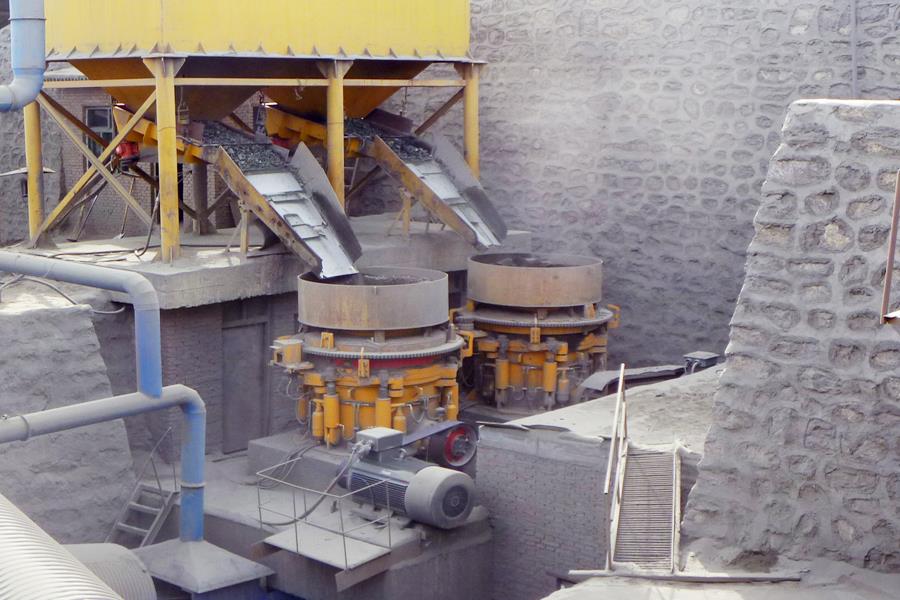
Process Design for High-Efficiency, Eco-Friendly Sand Production Line
How can we determine if a sand and gravel production line is energy-efficient, environmentally friendly, and profitable? The key lies in its configuration. An optimal setup not only boosts output but also generates economic benefits for clients. Let's explore the process flow of a sand production line!
1. Raw Material Feeding Steps: Raw stone materials, blasted from mountains using detonators and industrial explosives, are transported by loaders to the vibrating feeder.
2. Primary and Secondary Crushing Steps:
The vibrating feeder uniformly conveys raw materials to the primary jaw crusher. Jaw crushing constitutes the initial stage—coarse crushing. The production line can be designed with closed-loop circulation to achieve specific aggregate sizes. The crushed material is then conveyed via belt conveyor to a cone crusher or impact crusher for secondary crushing.
3. Sand Making and Screening Process:
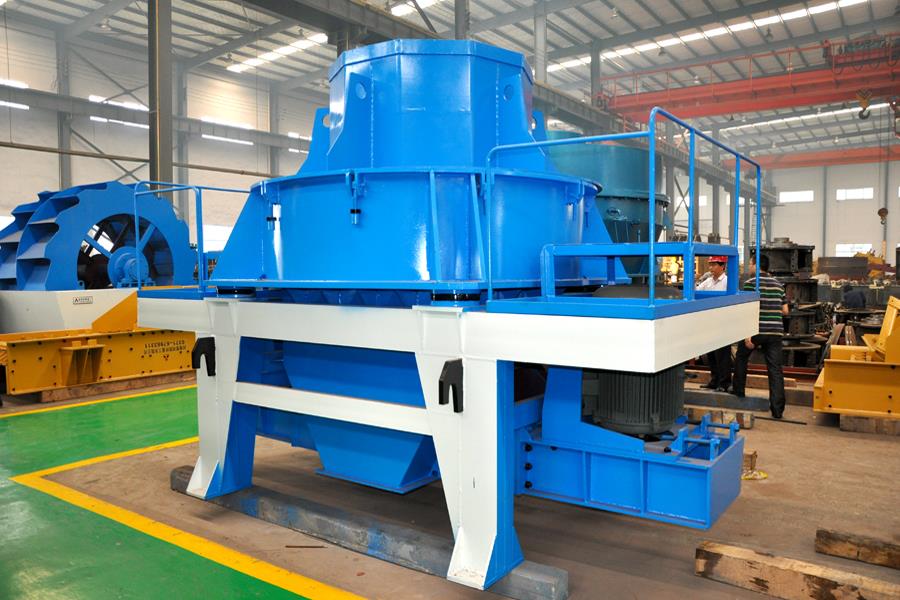
The material from secondary crushing is transported by belt conveyor to a sand maker for fine crushing. The finely crushed material is screened by a vibrating screen to separate finished products of different specifications. The quality of finished products can be enhanced through washing by a sand washer.
For more details on sand-making production line equipment configurations, performance parameters, and specific pricing, feel free to contact our online customer service anytime! Our factory also has professional technicians who will tailor a customized production solution for you free of charge based on your specific production requirements!
-
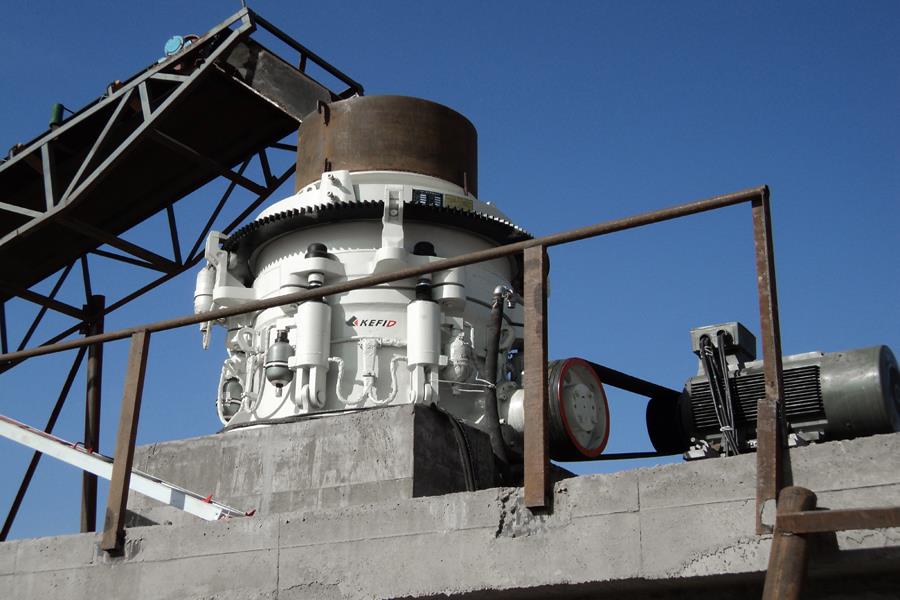
Fixed and Mobile Sand and Gravel Aggregate Production Lines: How to Select Crushing Equipment
-
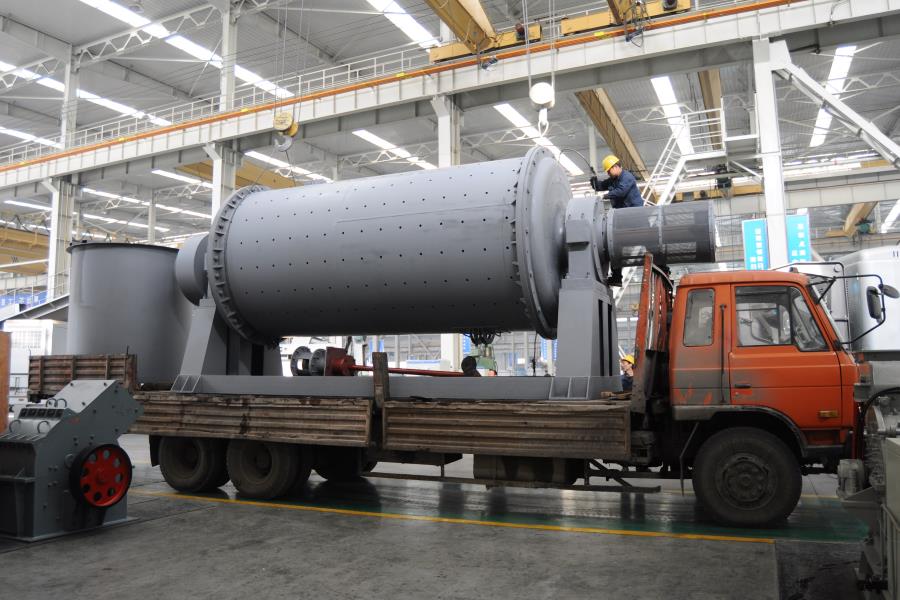
Three Essential Points New Investors Must Clarify When Purchasing a Sand Production Line
-
-
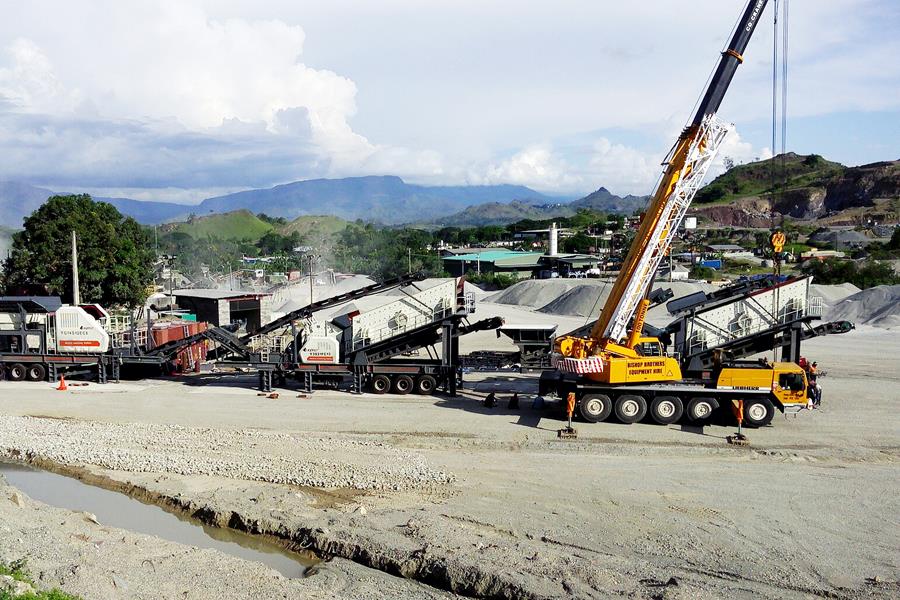
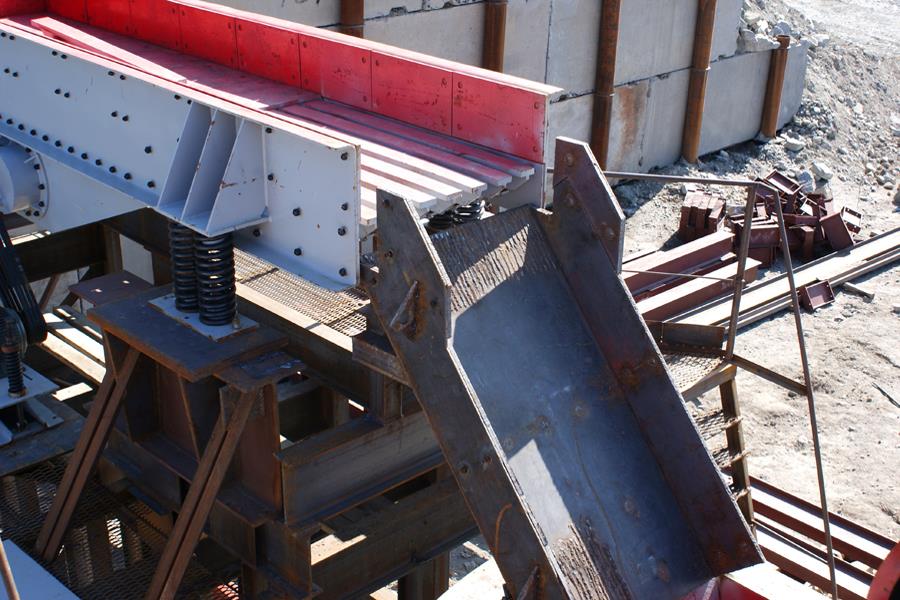
What are the specific advantages of intelligent mobile crushing stations
-
Site Selection for High-Efficiency and Environmentally Friendly Sand Making Production Line