
How should a sand production line be configured to ensure rational efficiency and greater cost-effectiveness
A typical fixed sand production line consists of: Feeder + Jaw Crusher + Impact Crusher/Cone Crusher + Sand Maker + Sand Washer + Vibrating Screen + Belt Conveyor + Centralized Electrical Control System. This setup requires a fixed site with ground anchors and cannot be relocated. While such a stone production line offers high output (ranging from tens to thousands of tons per hour), it lacks adaptability to different sites and cannot be moved around. Naturally, this setup suits sites near abundant, continuous raw material sources where high output is required and the processing area is extensive. How to configure a high-quality, eco-friendly sand-making production line? Select equipment tailored to your specific production needs. Below, we reveal equipment selection techniques to help you choose suitable crushing machinery.
1. Primary Crushing: Typically operates in an open-circuit system to process incoming materials from the quarry. The primary crushing equipment commonly used is the jaw crusher. This widely adopted primary crushing machine serves as the frontline in the production line, capable of crushing stones of various hardness levels. It features a large feed opening, strong crushing capacity, high crushing ratio, simple structure, and convenient operation. The motor power supplied with the equipment is appropriately matched, resulting in low system energy consumption.
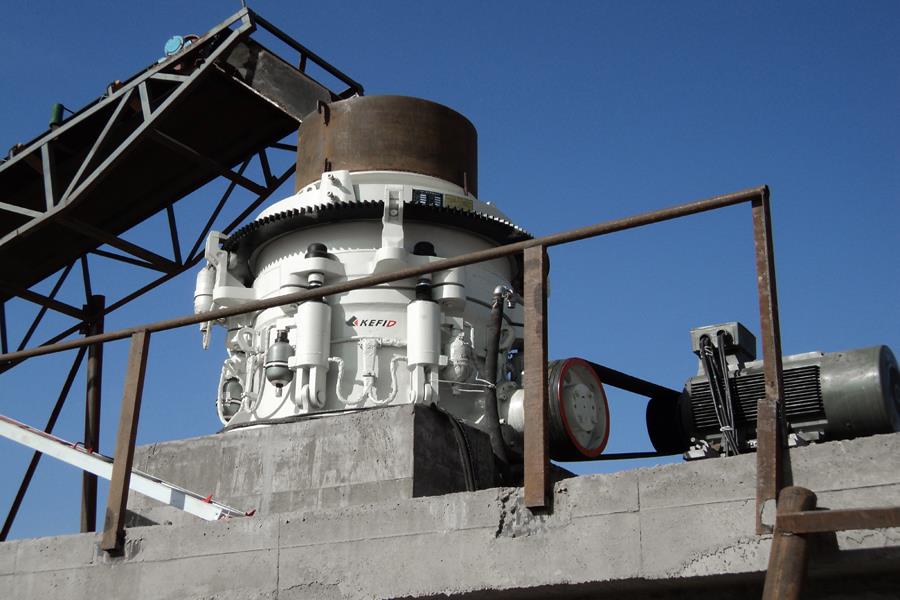
2. Secondary and Fine Crushing Secondary and fine crushing usually employ closed-circuit processes. Common equipment includes impact crushers and cone crushers, with the latter divided into single-cylinder hydraulic cone crushers and multi-cylinder hydraulic cone crushers.
1) Impact Crusher
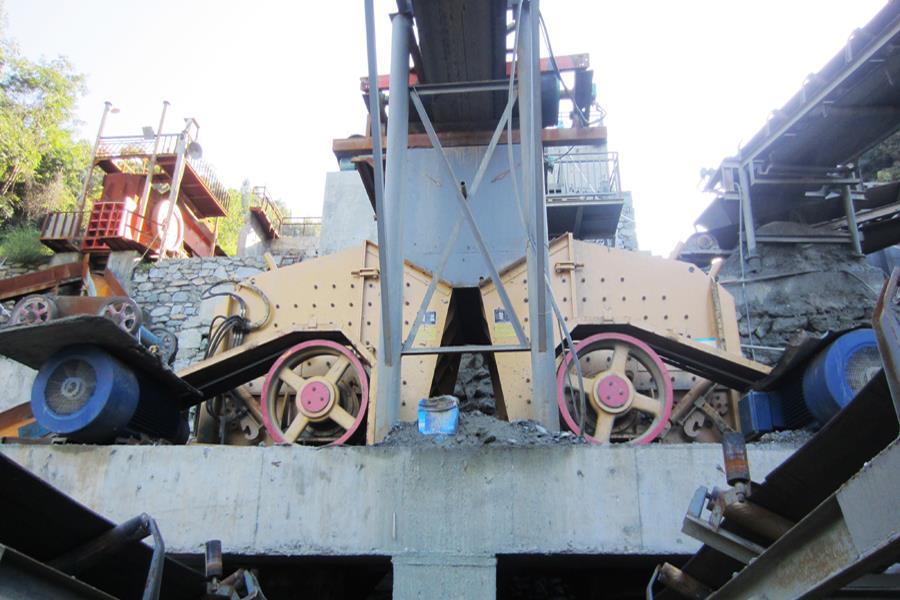
Impact crushers produce well-shaped particles with lower initial investment and wide applicability. However, they are only suitable for crushing medium-hardness, low-abrasive rocks. Otherwise, operating costs increase significantly, reducing economic viability. While hard-rock impact crushers exist on the market, their operating costs remain relatively high. For hard rock crushing, cone crushers remain the preferred choice.
2) Cone Crushers
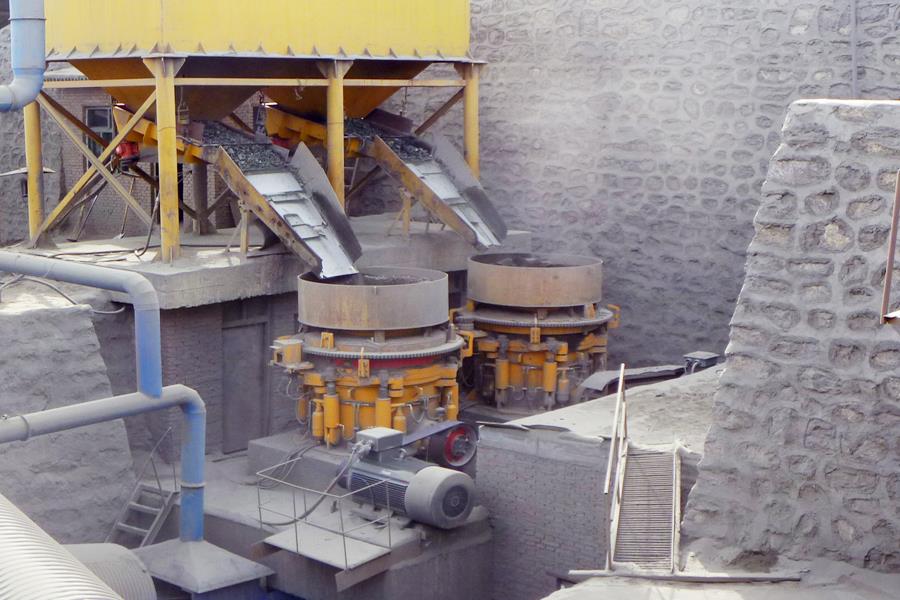
Cone crushers vary in crushing force and reduction ratio depending on the model. The current trend is toward hydraulic cone crushers. Comparing multi-cylinder and single-cylinder types, the former generally offers superior overall performance. However, selecting single-cylinder or multi-cylinder models within a process flow depends on the overall layout. For high crushing ratios, multi-cylinder hydraulic cone crushers can reduce the number of crushing stages and lower system investment, typically keeping needle and flake content below 18%. Multi-cylinder hydraulic cone crushers are also suitable for hard rock crushing, while single-cylinder hydraulic cone crushers are adequate for general rock crushing.
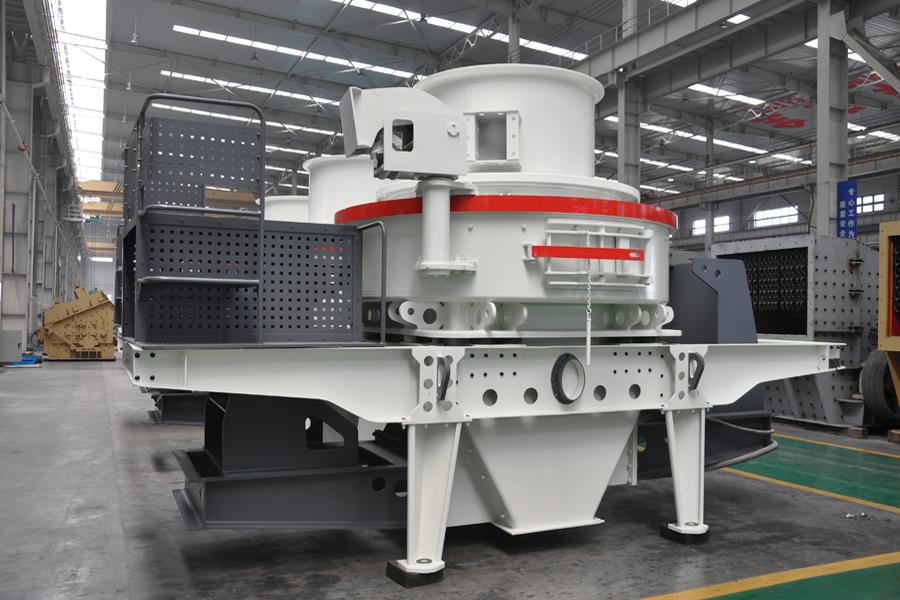
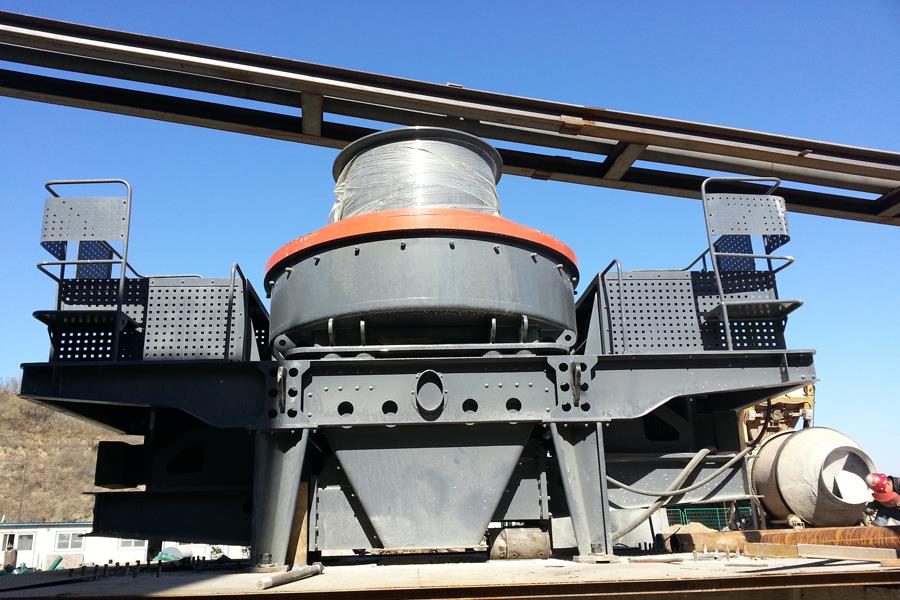
3. Sand makers (vertical impact crushers, composite crushers, vertical shaft impact crushers) are currently the most widely used sand-making equipment. They offer high production efficiency, excellent particle shape, low operating costs, and perform shaping functions. They handle fine crushing and sand-making of stones with high throughput, combining shaping and sand-making capabilities. The finished product features superior particle shape, deep cavity processing, low dust generation, and excellent environmental and energy-saving performance.
4. Common sand washing and recovery equipment includes bucket wheel sand washers, spiral sand washers, and fine sand recovery units.
5. Auxiliary Equipment Selection
Auxiliary equipment encompasses feeding and screening systems.
1) Feeding Equipment
Typically categorized as belt feeders, vibrating roller feeders, electromagnetic vibrating feeders, reciprocating feeders, and vibrating screen feeders. Based on variations in parent rock conveying capacity, vibrating screen feeders are widely adopted. Their advantages include sufficient feed rates, high soil content tolerance, and high moisture content handling. Additionally, their integrated screening and conveying functions enable impurity removal, facilitating the production of manufactured sand and gravel aggregates.
2) Vibrating Screens. Common vibrating screens include circular vibrating screens and linear vibrating screens. Generally, circular vibrating screens are used for grading large and medium-sized materials, while linear vibrating screens are used for grading medium and fine-grained materials and can also be used for dewatering. Therefore, selecting the appropriate screen mesh to achieve high efficiency and low operating costs is a critical consideration.
A rational production process flow and equipment configuration are essential for a sand production line to operate efficiently and economically. For more information on equipment configurations, performance parameters, and specific pricing for sand production lines, feel free to contact our online customer service at any time! Our professional technical staff will tailor a customized solution based on your production requirements and provide you with a reasonable quotation!
-
High-Quality Sand and Gravel Aggregate Production Line Equipment Configuration
-
How to configure crushing equipment for a stone crushing production line
-
Process Design for High-Efficiency, Eco-Friendly Sand Production Line
-
Fixed and Mobile Sand and Gravel Aggregate Production Lines: How to Select Crushing Equipment
-
Three Essential Points New Investors Must Clarify When Purchasing a Sand Production Line