High-Quality Sand and Gravel Aggregate Production Line Equipment Configuration
The sand and gravel crushing industry has evolved beyond simply crushing large stones into smaller ones and then processing those smaller stones into sand. With increasingly stringent environmental regulations and a proliferation of sand and gravel production lines, competition in the industry is fierce. To stand out among numerous sand and gravel production lines, it's crucial to adhere to environmentally friendly and high-quality process design principles and equipment selection guidelines!
1. Primary Crushing Unit
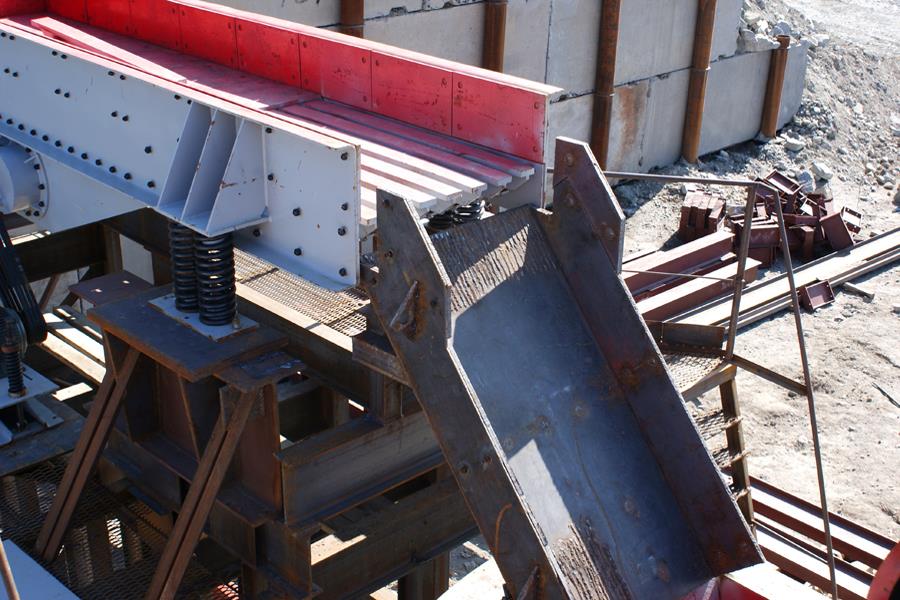
Currently, jaw crushers and gyratory crushers are primarily used for primary crushing in ultra-large mines and quarrying projects. Large-diameter jaw crushers allow a maximum feed side length of up to 1500mm, making them a commonly used type of primary crusher. The selection of a jaw crusher depends on two factors: first, whether its maximum allowable feed particle size meets the requirements; and second, whether the discharge opening size, given a specific discharge particle size, meets the system requirements. A vibrating feeder is required before the primary crusher, depending on the production line scale, for the following reasons:
① Jaw crushers and similar machines cannot start at full capacity, while a feeder can start under load. The feeder controls the feeding in the preceding process, reducing material buildup in the jaw crusher and facilitating recovery in case of abnormal shutdown.
② The feeder transforms the intermittent feeding from dump trucks and loaders into continuous feeding to the jaw crusher, reducing load fluctuations and extending the machine's lifespan.
③ Truck feeds are often uneven in size, varying from large to small. When there are many large pieces, the jaw crusher is under heavy load and the crushing speed is slow, and vice versa. The feeder can adjust the feeding speed, allowing for less material to be fed when the load is high and more material to be fed when the crushing speed is high, thus improving the average processing capacity.
2. Secondary Crushing Units
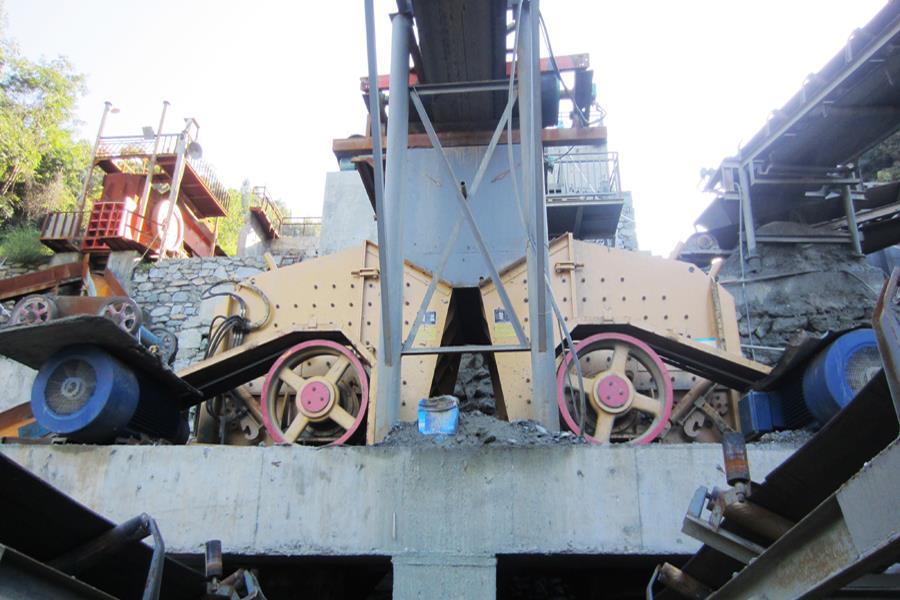
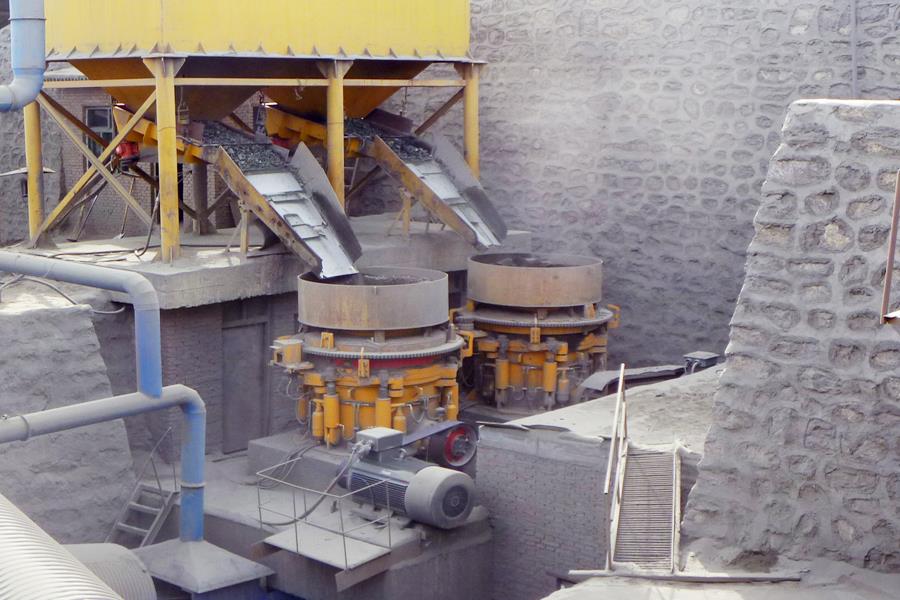
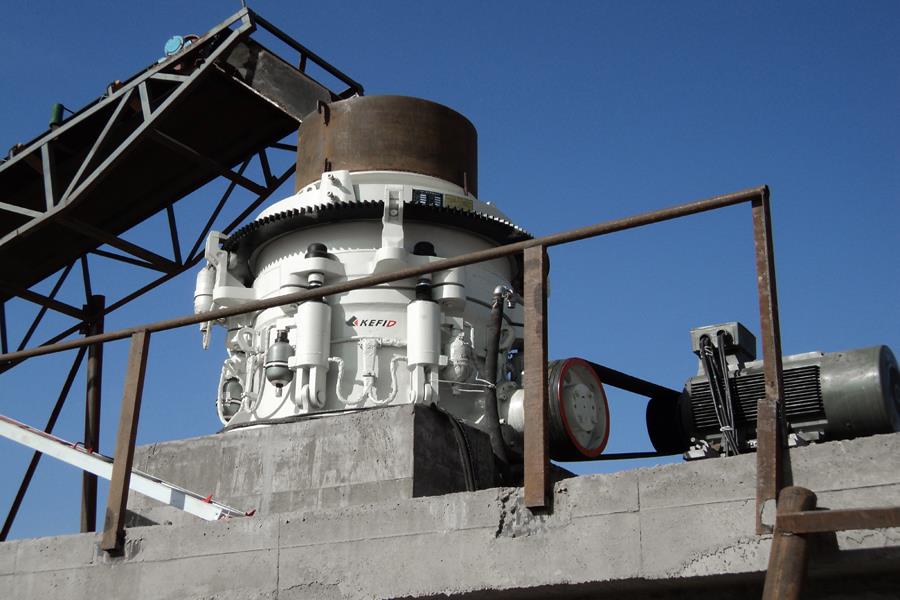
Secondary crushing equipment mainly comes in two types: cone crushers (single-cylinder hydraulic cone crushers and multi-cylinder hydraulic cone crushers) and impact crushers.
Cone crushers are currently the most widely used secondary crushing equipment in sand and gravel plants both domestically and internationally. Different specifications and different chamber shapes of the same specification can meet various processing requirements, closely aligning with the needs of the process flow. They also operate smoothly and have a long service life for wearing parts. They are commonly used for crushing stones of medium to high hardness.
Impact crushers, due to their large crushing ratio and fewer needle-like and flaky particles in the discharge, have been widely used in sand and gravel plants, especially in highway pavement quarries, in recent years. Impact crushers have two significant weaknesses: First, under the same processing capacity and similar feed and discharge particle sizes, their installed capacity will be greater than that of cone crushers and jaw crushers because they mainly use impact crushing, and the blast effect during high-speed rotation causes significant ineffective energy loss; second, the wear of wearing parts is faster, often more than three times shorter than that of cone crushers under the same processing conditions, resulting in higher operating costs.
3. Three-stage Crushing Units
Commonly used three-stage crushing units include vertical shaft impact crushers (sand making machines), vertical impact crushers (sand making machines), and compound crushers (sand making machines).
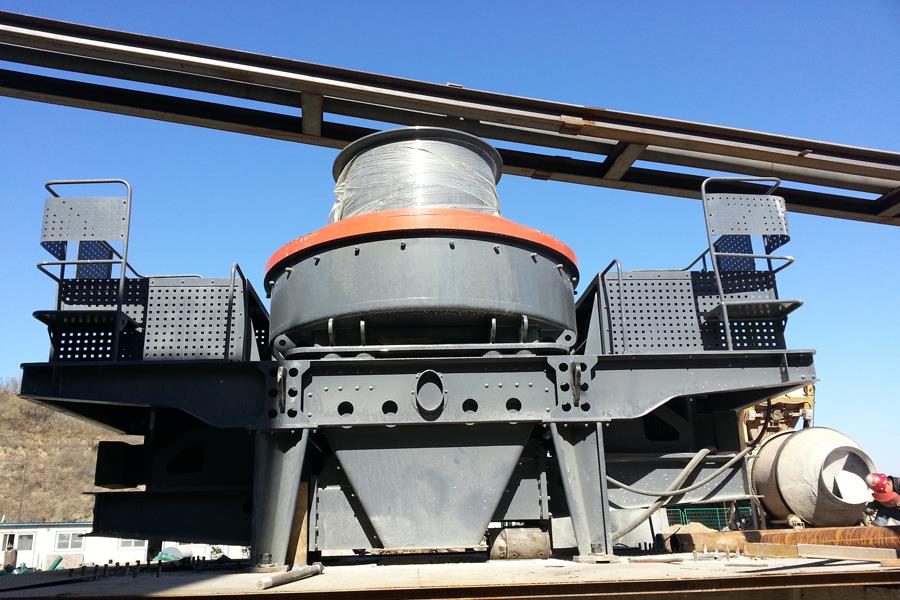
① Vertical Shaft Impact Crusher: Employing both "stone-on-stone" and "stone-on-iron" crushing principles, this type of crusher produces materials with good particle shape. It boasts low operating costs, strong adaptability, high throughput, excellent product quality, and wide application, offering unparalleled competitive advantages. It is widely used in the sand and gravel aggregate processing industry for the further fine crushing and shaping of coarse sand particles, thereby optimizing and adjusting the particle size distribution of the finished sand, allowing for a smaller fineness modulus.
② Vertical Shaft Impact Crusher (Sand Making Machine): This type of crusher has developed rapidly and has become a commonly used equipment for sand making, shaping, and three-stage crushing. By adjusting its rotor structure, speed, and motor power, the discharge particle size can be controlled. It provides exceptionally smooth rock flow, has a large processing capacity, is easy to operate, highly efficient and energy-saving, and produces products with good particle shape.
③ Vertical Compound Crusher
This series of products enables high-volume crushing with minimal grinding, making it an ideal fine crushing equipment for energy saving and consumption reduction. It is also suitable for fine crushing of various solvent raw materials in the iron and steel metallurgy industry, as well as crushing of various medium-hard rock minerals in other fields such as construction, building materials, and chemicals. It features simple structure, large throughput, large crushing ratio, high finished product rate, and low energy consumption.
4. Screening System
The screening system of the sand and gravel aggregate production line runs throughout the entire production line. Screening (pre-screening) is required before crushing to avoid ineffective crushing of materials, thereby improving the production capacity of the crushing equipment and reducing power consumption. It also includes the screening of the final finished sand and gravel aggregate. A production line processes aggregates of more than one particle size, and different users have different requirements for the particle size of sand and gravel aggregates. Therefore, it is screened into products of multiple particle sizes to supply various users. If the material in the sand and gravel production line has too high a moisture content, it can be dewatered and screened. This improves product quality, facilitates storage and transportation, reduces transportation volume, and allows for water recovery for recycling.
OCP Heavy Industry, with 40 years of experience in the production and R&D of large-scale mining equipment, mainly produces jaw crushers, impact crushers, cone crushers, sand making machines, washing and beneficiation equipment, conveying equipment, etc. We will configure reasonable production line solutions according to customer needs, and provide free installation and training. You are welcome to visit our company! Click on the website customer service for immediate free consultation, available 24 hours a day.
-
How to configure crushing equipment for a stone crushing production line
-
Process Design for High-Efficiency, Eco-Friendly Sand Production Line
-
Fixed and Mobile Sand and Gravel Aggregate Production Lines: How to Select Crushing Equipment
-
Three Essential Points New Investors Must Clarify When Purchasing a Sand Production Line
-