
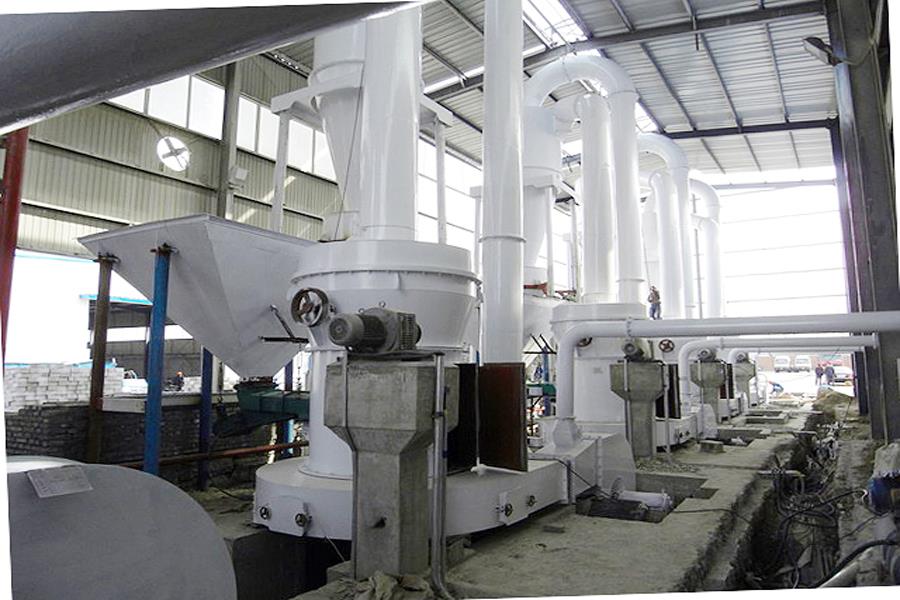
How to choose wear materials for impact crusher for high silica granite
Why choosing the right wear materials for impact crusher for high silica granite is critical in Australia
Australia's quarrying and mining sectors are among the most demanding in the world, with operators processing some of the hardest and most abrasive rocks. High silica granite, commonly found in regions such as Western Australia, Queensland, and New South Wales, presents a particular challenge for impact crushers. With a silica content often exceeding 70 per cent and a Mohs hardness of 7, this material accelerates wear on blow bars, impact plates, and liners at a rate that can significantly impact operating costs. For Australian operators running a typical 100‑200 TPH impact crusher, the choice of wear materials directly affects production costs, downtime, and product quality. Understanding how to choose wear materials for impact crusher for high silica granite is therefore essential for maintaining a competitive edge. At OCP Mechanical Company, with over 40 years of manufacturing experience, we supply impact crushers and wear parts engineered for the toughest Australian conditions, offering factory‑direct solutions that help operators optimise performance and reduce cost per tonne.
Understanding high silica granite and its wear mechanisms
Before selecting wear materials, it is important to understand how high silica granite interacts with the crusher. The rock's high quartz content makes it highly abrasive, causing wear through micro‑cutting and gouging rather than impact fatigue. This abrasion affects the blow bars, which are the primary impact surfaces, as well as the impact plates and the crusher housing liners. The wear rate is influenced by the feed size, the rotor speed, and the moisture content of the material. In Australia's dry climate, the material is often low in moisture, which increases dust generation and accelerates wear. When you evaluate how to choose wear materials for impact crusher for high silica granite, you must consider the specific abrasiveness of your feed, which can be determined through a standard abrasion index test. A material with an abrasion index above 0.6 is generally considered highly abrasive, and high silica granite often exceeds this threshold. At OCP Mechanical, we analyse your feed material and recommend wear materials that provide the best balance of life and cost for your specific application.
The main wear part options – blow bars and impact plates
The most critical wear parts in an impact crusher are the blow bars (or hammers) and the impact plates. When learning how to choose wear materials for impact crusher for high silica granite, the selection of blow bar metallurgy is the single most important decision. The three main categories are high‑chrome cast iron, martensitic steel, and ceramic‑composite materials. High‑chrome alloys offer excellent abrasion resistance and are widely used for high silica granite, but they are more brittle and can fracture if tramp iron enters the crusher. Martensitic steels offer greater toughness and are more forgiving of tramp material, but they wear faster than high‑chrome options. Ceramic‑composite blow bars, which incorporate ceramic particles into a metallic matrix, offer the best combination of abrasion resistance and toughness, with service life often two to three times longer than standard alloys. However, they are more expensive upfront. The impact plates, which are stationary surfaces that the material rebounds against, are typically made from similar alloys and should be selected to complement the blow bar material. Our Type I impact crusher is available with all three material options, allowing operators to select the configuration that best suits their operational requirements and budget. All product specifications are continuously updated; for the latest parameters, please consult our online customer service.
Matching wear material to your production targets and budget
The selection of wear materials involves a trade‑off between initial cost and total cost per tonne. When you consider how to choose wear materials for impact crusher for high silica granite, it is useful to evaluate the cost per tonne of production. For example, a high‑chrome blow bar may cost 40‑50 per cent less than a ceramic‑composite option, but it may last only half as long. If the ceramic‑composite bar lasts 1,000 hours and the high‑chrome bar lasts 500 hours, the ceramic option may offer a lower cost per tonne, especially when you factor in the labour and downtime cost of replacement. In Australia, where labour costs are high and remote site access can extend downtime, the longer life of premium materials often justifies the higher upfront cost. Additionally, the production targets of the operation matter: if you are running the crusher at full capacity for extended periods, the ability to avoid mid‑shift or mid‑week replacements becomes a significant operational advantage. We recommend conducting a cost‑benefit analysis based on your specific operating hours, labour costs, and production targets. Our team can provide wear life projections and cost estimates for each material option, helping you make an informed decision as part of how to choose wear materials for impact crusher for high silica granite.
Impact of rotor speed and feed size on wear material selection
The rotor speed and the feed size also influence how to choose wear materials for impact crusher for high silica granite. Higher rotor speeds increase the impact energy, which generally improves product shape but also accelerates wear on the blow bars and impact plates. For high silica granite, a moderate rotor speed of 45‑55 m/s is often recommended to balance product quality with acceptable wear rates. If you need to operate at higher speeds to achieve a specific product specification, you may need to select a more wear‑resistant material, such as ceramic‑composite, to maintain acceptable blow bar life. Similarly, the feed size affects wear: larger feed particles create higher impact forces and accelerate wear. Ensuring that the feed is properly screened to remove oversize material can significantly extend the life of your wear parts. Our Type I impact crusher features a variable speed drive that allows you to adjust the rotor speed to match your feed and product requirements, and we provide guidance on the optimal settings for your specific application. This flexibility is a key consideration in how to choose wear materials for impact crusher for high silica granite.
Australian operating conditions and their influence on wear material choice
Australia's operating environment adds another layer of complexity to how to choose wear materials for impact crusher for high silica granite. The country's climate ranges from tropical in the north to temperate in the south and arid in the interior. In the hot, dry conditions common in Western Australia and Queensland, the lack of moisture can increase dust generation, which in turn accelerates wear on both the blow bars and the impact plates. High temperatures can also affect the performance of the blow bar material; some alloys can become brittle at elevated temperatures, increasing the risk of fracture. For operations in these conditions, we recommend wear materials that maintain their toughness at high temperatures, such as martensitic steels or ceramic‑composite options. In the more temperate regions of New South Wales and Victoria, where temperatures are more moderate, high‑chrome alloys may be suitable. Additionally, remote site logistics mean that replacing wear parts can be a costly and time‑consuming process, so selecting materials that offer extended service life is particularly important. Our engineering team can advise on the best material for your specific location and operating conditions, ensuring that your wear parts perform reliably.
Sample parameter table for Type I impact crusher wear materials (For reference only)
| Material Option | Abrasion Resistance | Toughness | Relative Cost | Typical Life (High Silica Granite) |
|---|---|---|---|---|
| High‑chrome (23‑27% Cr) | High | Moderate | Base | 400‑600 hours * |
| Martensitic steel | Moderate | High | +20‑30% | 500‑700 hours * |
| Ceramic‑composite | Very High | High | +60‑100% | 800‑1,200 hours * |
All specifications, including wear life and capacity, are continuously updated. For the latest parameters, please consult our online customer service. Prices are for reference only and are subject to change based on material costs and market conditions. Actual results may vary depending on feed characteristics, operating conditions, and maintenance practices. OCP Mechanical reserves the right to update technical data and pricing without prior notice.
Maintenance considerations – extending wear part life
Even with the best wear material selection, proper maintenance is essential to maximise service life. This is a critical aspect of how to choose wear materials for impact crusher for high silica granite. Blow bars should be inspected regularly and rotated to ensure even wear; many operators find that rotating the blow bars after 40‑60 per cent of the anticipated wear life extends the total service life by 20‑30 per cent. Impact plates should also be inspected for wear and replaced when they become thin or distorted. The rotor should be balanced regularly to prevent vibration, which can accelerate wear on the blow bars and bearings. Additionally, ensuring that the feed is free of tramp metal is essential; even a single piece of tramp metal can cause catastrophic damage to a blow bar. We recommend using a magnetic separator ahead of the crusher to remove ferrous contaminants. Our maintenance manuals provide detailed guidance on these practices, and we offer on‑site training for your maintenance teams.
Why OCP Mechanical is your partner for impact crusher wear solutions in Australia
With over 40 years of manufacturing experience, OCP Mechanical combines engineering excellence with a deep understanding of the Australian quarrying and mining sector. We are a factory‑direct supplier, meaning you avoid the markups charged by dealers and intermediaries. Our Type I impact crusher and our range of wear parts are built with high‑quality materials and are rigorously tested to ensure they meet the demands of the most challenging Australian applications. We provide comprehensive after‑sales support, including spare parts availability, technical assistance, and on‑site training. Our logistics team has extensive experience shipping to Australia, ensuring timely delivery of equipment and parts. We are committed to helping you optimise your impact crusher performance and reduce your cost per tonne.
Conclusion – Make an informed choice and reduce your crushing costs
Choosing the right wear materials for an impact crusher processing high silica granite is a critical decision that directly affects your operating costs and production reliability. By understanding the wear mechanisms, evaluating the available material options, and considering your specific operating conditions, you can select a configuration that delivers the best cost per tonne for your Australian quarry operation. OCP Mechanical offers the equipment, expertise, and factory‑direct pricing you need to make an informed decision. Our online customer service team is available 24/7 to provide free consultation, technical data, and a customised quotation. Prices and specifications are for reference only and are subject to change based on your specific requirements and market conditions. Actual results may vary depending on material characteristics, operating conditions, and maintenance practices. OCP Mechanical reserves the right to update technical data and pricing without prior notice. Click the chat button now – let us help you choose the right wear materials for your impact crusher and improve your bottom line.
-
Cost comparison of hydraulic vs spring cone crusher for iron ore 200 tph
-
-
-
Troubleshooting checklist for vibrating screen for wet aggregate
-
Sand screw washer capacity calculation for dewatering 60 tph



