How to increase VSI throughput for basalt 170 tph in Saudi
Why knowing how to increase VSI throughput for basalt 170 tph in Saudi is essential for your operation
Saudi Arabia’s construction sector is undergoing one of the most ambitious expansions in its history. Under Vision 2030, the Kingdom is investing billions in giga-projects such as NEOM, the Red Sea Project, and Qiddiya, alongside extensive transport and urban infrastructure development. This unprecedented activity has created sustained, high-volume demand for high-quality aggregates. Basalt, with its exceptional hardness, durability, and abundance in the western regions of Saudi Arabia, is a preferred material for concrete, asphalt, and railway ballast. For quarry operators, maximizing the efficiency of a vertical shaft impact (VSI) crusher is critical to meeting this demand profitably. If your operation targets 170 tonnes per hour of basalt sand and aggregate, understanding how to increase VSI throughput for basalt 170 tph in Saudi is essential for maintaining competitiveness and controlling costs. At OCP Mechanical Company, with over 40 years of manufacturing experience, we engineer VSI crushers for the most demanding hard rock applications and provide practical, field-tested guidance to help Saudi operators achieve optimal performance.
Understanding the factors that limit VSI throughput with basalt
Basalt is a hard, abrasive volcanic rock with a compressive strength typically exceeding 200 MPa and a Mohs hardness of 6 to 7. Its high silica content makes it particularly challenging for VSI crushers, as it accelerates wear on rotor tips, anvils, and other internal components. When you evaluate how to increase VSI throughput for basalt 170 tph in Saudi, it is essential to recognize that throughput is not determined by a single factor but by a combination of interrelated variables. These include rotor tip speed, feed size distribution, cascade ratio, moisture content, and the condition of wear parts. A limitation in any of these areas can reduce the crusher's effective capacity, increase recirculating loads, and raise operating costs. Understanding these interdependencies is the first step toward implementing targeted improvements that deliver measurable gains in productivity.
Optimizing rotor tip speed for basalt crushing
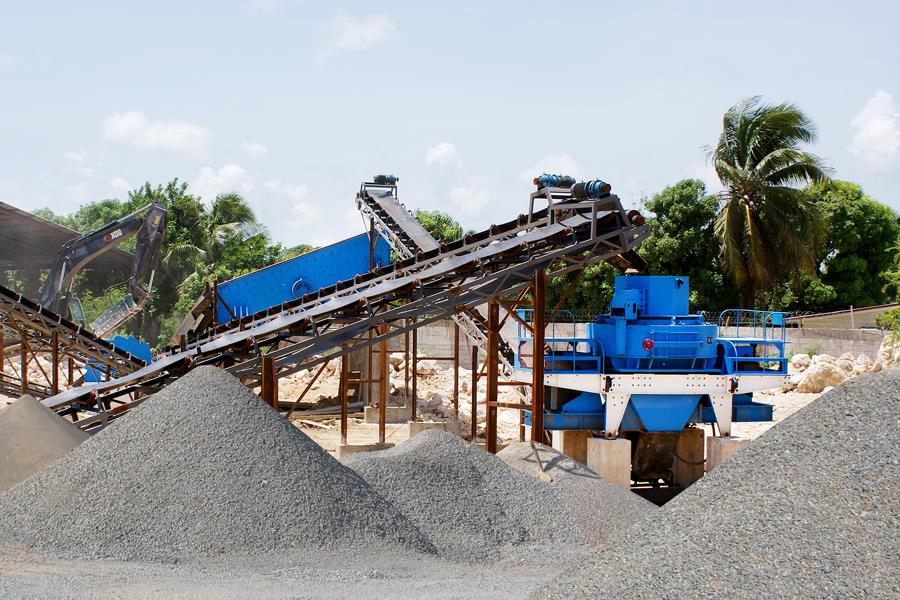
Rotor tip speed is one of the most significant factors influencing both throughput and product quality in a VSI crusher. For basalt, the optimal tip speed typically falls between 50 and 60 metres per second. Operating below this range reduces the impact energy, leading to insufficient breakage and a coarser product that may require recirculation, which effectively lowers net throughput. Conversely, operating above the optimal range increases the stress on wear parts, accelerates component failure, and can lead to more frequent shutdowns for maintenance, ultimately reducing availability. When you focus on how to increase VSI throughput for basalt 170 tph in Saudi, fine-tuning the rotor speed to match your specific feed characteristics can yield immediate gains. Modern VSI crushers equipped with variable frequency drives allow operators to adjust the speed precisely, finding the sweet spot that maximizes throughput while controlling wear. Our Type V VSI includes this capability, enabling operators to adapt to variations in feed size and hardness without compromising production targets. All product specifications, including rotor speed ranges and capacity figures, are continuously updated; for the latest parameters, please consult our online customer service.
Managing feed size distribution and cascade ratio
The size distribution of the feed material has a direct impact on VSI throughput. For basalt, the ideal feed size for a VSI is typically between 10 and 40 mm, with minimal fines below 5 mm. Oversize material forces the rotor to work harder, reducing efficiency and increasing wear, while an excess of fines can cushion the impact and reduce the effectiveness of the crushing action. Implementing a pre-screening stage to remove both oversize and fines before the VSI can significantly improve throughput. Equally important is the cascade ratio – the proportion of material that bypasses the rotor and falls directly onto the anvil or rock bed. A higher cascade ratio reduces the load on the rotor, which can lower power consumption and extend wear part life, but it may compromise particle shape. For basalt, a cascade ratio of 15 to 25 per cent often provides an optimal balance between throughput and product quality. By carefully managing both feed preparation and cascade settings, operators can achieve substantial improvements in how to increase VSI throughput for basalt 170 tph in Saudi. Our engineering team can analyze your feed and recommend the optimal settings for your specific application.
The role of wear parts in sustaining throughput
Wear parts are not just a cost of operation – they are a critical factor in maintaining consistent throughput. As rotor tips and anvils wear, the geometry of the crushing chamber changes, reducing the efficiency of particle acceleration and impact. This often leads to a gradual decline in throughput and an increase in power consumption to maintain the same production rate. For basalt, which is highly abrasive, using high-chrome or tungsten carbide-tipped rotor tips can significantly extend wear life and maintain a sharper crushing edge for longer periods. Regular inspection and timely replacement of worn components are essential to sustaining the 170 tph target. When you implement how to increase VSI throughput for basalt 170 tph in Saudi, a proactive wear parts management strategy is non-negotiable. Our Type V VSI features a quick-change rotor tip system that minimizes downtime during maintenance, and we supply a full range of wear parts engineered specifically for basalt applications, helping you maintain peak performance.
Controlling moisture and its effect on VSI performance
Moisture content is an often-overlooked factor in VSI performance. In Saudi Arabia's arid climate, basalt feed is typically dry, which can increase dust generation and reduce the efficiency of the crushing process. Dry material tends to create more fines and can lead to dust accumulation in the crusher, affecting the rotor's balance and reducing throughput. Conversely, a small amount of moisture – typically 2 to 5 per cent – can improve material flow, reduce dust, and enhance the crushing action. However, excessive moisture can cause material to stick to the rotor and anvils, leading to build-up and reduced throughput. For operators looking at how to increase VSI throughput for basalt 170 tph in Saudi, managing moisture through controlled water sprays at the feed point can be a simple yet effective strategy. The key is to add just enough water to suppress dust and improve flow without causing material adhesion. Our dust suppression systems are designed to provide precise moisture control, enabling operators to optimize both throughput and product quality.
Reducing recirculating loads to boost net throughput
One of the most effective ways to increase net throughput is to reduce the recirculating load – the material that is returned to the crusher for further reduction. A high recirculating load indicates that the crusher is not achieving the desired product size in a single pass, which wastes energy and reduces the effective capacity of the plant. For basalt, achieving the correct balance between rotor speed, feed size, and cascade ratio is key to minimizing recirculation. Additionally, ensuring that the screening system is operating efficiently and that the screen media is correctly sized for the desired product will help prevent oversize material from being returned unnecessarily. When you consider how to increase VSI throughput for basalt 170 tph in Saudi, every tonne of recirculated material represents lost efficiency. Our complete plant solutions include integrated screening systems designed to maximize first-pass yield, reducing recirculating loads and improving overall plant productivity.
Saudi Arabia's operating environment and its impact on VSI performance
Saudi Arabia's extreme climate, with summer temperatures exceeding 45°C and low humidity, places additional demands on VSI crushers. High ambient temperatures can reduce the efficiency of electrical motors and increase the risk of overheating in bearings and hydraulic systems. When you implement how to increase VSI throughput for basalt 170 tph in Saudi, ensuring that your crusher is equipped with adequate cooling systems and high-temperature lubricants is essential for maintaining consistent performance. Our Type V VSI is engineered with oversized cooling systems, high-temperature grease, and weatherproof electrical enclosures to withstand the Kingdom's harsh conditions. Power quality is another consideration; voltage fluctuations can affect motor performance and reduce throughput. We recommend using a voltage stabilizer or variable frequency drive to maintain stable power supply. By choosing equipment that is purpose-built for Saudi conditions, you can achieve reliable, high-throughput operation throughout the year.
Sample parameter table for Type V VSI (For reference only)
The table below provides indicative parameters for optimizing a Type V VSI for basalt at 170 tph. Actual values depend on feed characteristics and site conditions; please request the latest data from our customer service, as all parameters are continuously updated.
| Parameter | Recommended Range |
|---|---|
| Rotor tip speed | 50‑60 m/s * |
| Cascade ratio | 15‑25% * |
| Feed size (ideal) | 10‑40 mm * |
| Moisture content (optimal) | 2‑5% * |
| Rotor tip material | High-chrome or tungsten carbide * |
| Typical power draw | 200‑300 kW * |
All specifications, including capacity, power consumption, and wear life, are continuously updated. For the latest parameters, please consult our online customer service. Prices are for reference only and are subject to change based on material costs and market conditions. Actual results may vary depending on feed characteristics, operating conditions, and maintenance practices. OCP Mechanical reserves the right to update technical data and pricing without prior notice.
Why OCP Mechanical is your partner for VSI solutions in Saudi Arabia
With over 40 years of manufacturing experience, OCP Mechanical combines engineering excellence with a deep understanding of the Saudi quarrying sector. We are a factory-direct supplier, meaning you avoid the markups charged by dealers and intermediaries. Our Type V VSI is built with high-quality components and is designed for easy maintenance, reducing downtime and operating costs. We provide comprehensive after-sales support, including spare parts availability, technical assistance, and on-site training. Our logistics team has extensive experience shipping to Saudi Arabia, ensuring timely delivery of equipment and parts. We are committed to helping you achieve how to increase VSI throughput for basalt 170 tph in Saudi and improve your overall profitability.
Conclusion – Take action to boost your VSI throughput and meet Saudi's growing demand
Saudi Arabia's infrastructure boom presents a significant opportunity for aggregate producers. By optimizing rotor speed, managing feed size and cascade ratio, controlling moisture, and maintaining wear parts, you can achieve substantial gains in VSI throughput for basalt. OCP Mechanical offers the equipment, expertise, and factory-direct pricing you need to succeed. Our online customer service team is available 24/7 to provide free consultation, technical data, and a customised quotation for your operation. Prices and specifications are for reference only and are subject to change based on your specific requirements and market conditions. Actual results may vary depending on material characteristics, operating conditions, and maintenance practices. OCP Mechanical reserves the right to update technical data and pricing without prior notice. Click the chat button now – let us help you implement the right strategies to increase your VSI throughput and build a more profitable operation in Saudi Arabia.
-
Troubleshooting checklist for vibrating screen for wet aggregate
-
Sand screw washer capacity calculation for dewatering 60 tph
-
How to reduce liner wear in cone crusher for serpentinite 85 tph
-
Mobile crusher fuel consumption per hour for limestone 110 tph in Kenya
-