
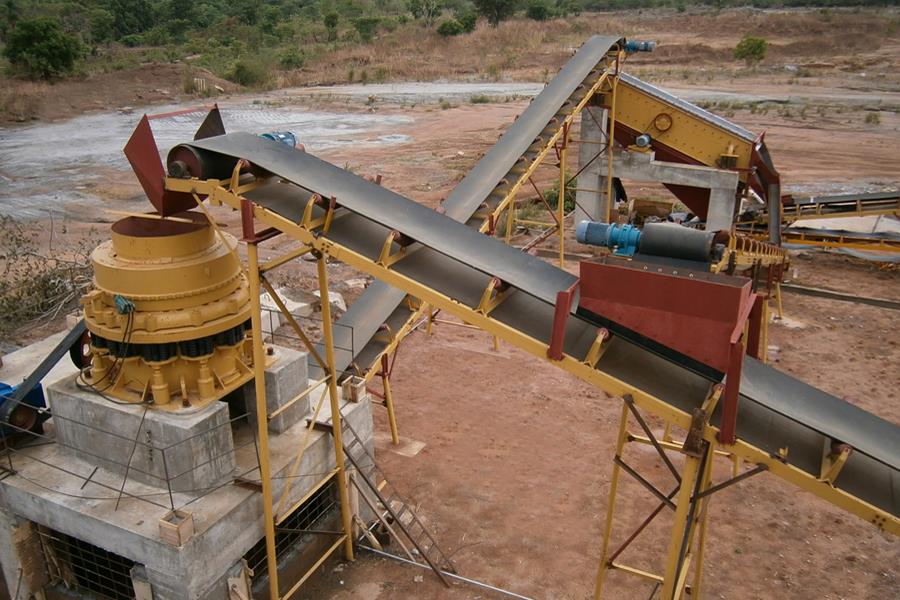
Mobile crusher fuel consumption per hour for limestone 110 tph in Kenya
Why mobile crusher fuel consumption per hour for limestone 110 tph in Kenya is a critical operational metric
Kenya's construction sector continues to expand, driven by major infrastructure projects including the Mombasa-Nairobi Railway branch line, road networks, and urban development across the country. For quarry operators and contractors, mobile crushers offer the flexibility to process limestone directly at the source, eliminating the need for costly material transport to fixed plants. However, in a market where diesel prices in Nairobi currently average KSh 222.86 per litre, fuel consumption represents one of the largest ongoing operating costs. Understanding the typical mobile crusher fuel consumption per hour for limestone 110 tph in Kenya is therefore essential for accurate project budgeting, cost control, and competitive quoting. At OCP Mechanical Company, with over 40 years of manufacturing experience, we engineer mobile crushing solutions with optimised fuel efficiency and provide transparent operating cost data to help Kenyan operators make informed investment decisions.
Typical fuel consumption rates for 110 TPH limestone crushing
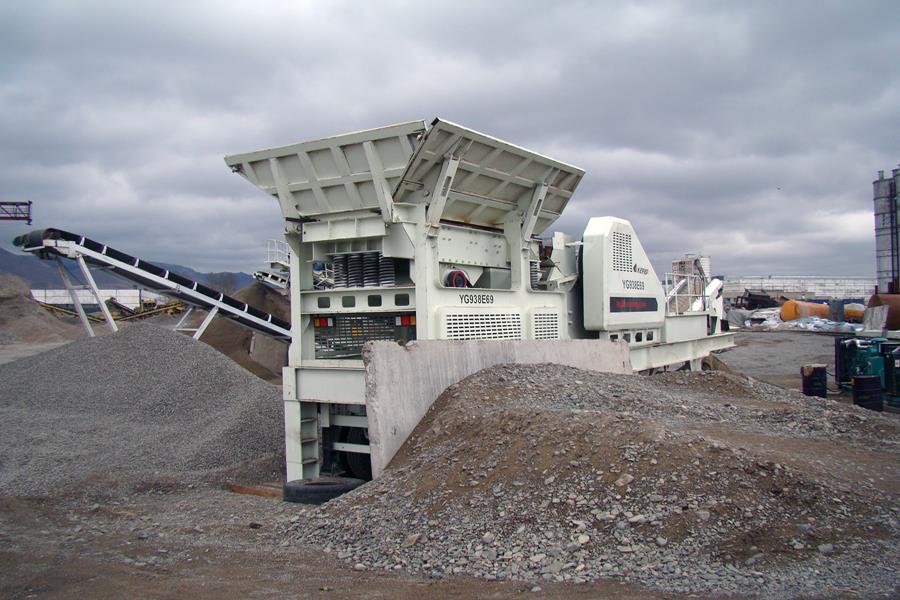
When evaluating mobile crusher fuel consumption per hour for limestone 110 tph in Kenya, industry data provides a useful benchmark. A well-configured mobile impact crusher can consume between 15 to 30 litres of fuel per hour under full load, depending on the engine type, material hardness, and operational conditions. For limestone, which is a medium-hard material, consumption typically falls in the lower to middle range of this spectrum. For a 110 TPH application, a mobile impact crusher with a 250‑350 HP engine is generally required. Under typical Kenyan quarry conditions – moderate temperatures and limestone with a compressive strength of 80‑120 MPa – the fuel consumption is usually between 20 and 25 litres per hour. This translates to a fuel cost per hour of KSh 4,457 to KSh 5,571 at current prices. When you consider that a quarry operating 8 hours per day would consume 160‑200 litres per day, the daily fuel cost can exceed KSh 44,000. This underscores why understanding mobile crusher fuel consumption per hour for limestone 110 tph in Kenya is critical for controlling operating costs.
Factors that influence fuel consumption in mobile crushing
Several factors affect mobile crusher fuel consumption per hour for limestone 110 tph in Kenya, and understanding these can help operators reduce fuel usage. The feed size and gradation are among the most significant. Feeding the crusher with material that is too large or poorly graded forces the engine to work harder, increasing fuel consumption by up to 20 per cent. Ensuring a consistent, well-graded feed with the correct maximum size can reduce fuel usage significantly. The operator's technique also plays a role; operators who maintain a choke-fed condition and avoid overloading the crusher can achieve the lowest fuel consumption. The crusher's settings, such as the rotor speed and closed side setting, also influence fuel use. A higher rotor speed increases throughput but also increases fuel consumption. Finding the optimal speed for the specific limestone feed can reduce fuel usage by 10‑15 per cent. Maintenance practices, such as keeping the air filters clean and the engine properly tuned, are also important. A clogged air filter can increase fuel consumption by 5‑10 per cent. Our Type M mobile impact crusher is designed with a fuel-efficient engine and features an automatic idle control system that reduces fuel consumption during standby periods, helping operators achieve the best possible mobile crusher fuel consumption per hour for limestone 110 tph in Kenya.
Comparison of fuel consumption across mobile crusher types
The choice of crusher type also influences mobile crusher fuel consumption per hour for limestone 110 tph in Kenya. Mobile jaw crushers are typically used for primary crushing of large feed sizes and have moderate fuel consumption. They are less efficient than impact crushers for secondary and tertiary applications, as they require more power to reduce limestone to a fine product. Mobile impact crushers, which are well-suited for limestone, generally offer better fuel efficiency per tonne of product because they achieve a higher reduction ratio in a single pass, reducing the need for multiple stages. For limestone applications, an impact crusher can typically reduce fuel consumption by 10‑15 per cent compared to a jaw-cone combination of similar capacity. Mobile cone crushers, used for secondary and tertiary crushing, have fuel consumption comparable to impact crushers but may require additional screening stages, increasing overall fuel usage. When you compare mobile crusher fuel consumption per hour for limestone 110 tph in Kenya, the impact crusher often represents the most cost-effective choice for limestone processing.
Example of fuel cost calculation for a Kenyan operation
To illustrate the importance of mobile crusher fuel consumption per hour for limestone 110 tph in Kenya, consider a typical operation. A quarry near Nairobi processing limestone at 110 TPH, using a mobile impact crusher with a 300 HP engine, running 8 hours per day, 25 days per month. Fuel consumption is estimated at 22 litres per hour. At current diesel prices of KSh 222.86 per litre, the hourly fuel cost is KSh 4,903. The daily fuel cost is KSh 39,224. Over a 25-day month, the monthly fuel cost is KSh 980,600. This is a substantial operational cost. If the operator can reduce fuel consumption by 10 per cent through better feed management and maintenance, the monthly saving would be KSh 98,060. Over a year, this saving exceeds KSh 1.1 million. This demonstrates the significant financial impact of optimising mobile crusher fuel consumption per hour for limestone 110 tph in Kenya. By investing in fuel-efficient equipment and implementing best practices, operators can improve their bottom line substantially.
Strategies to reduce fuel consumption in mobile crushing
There are several practical strategies to improve mobile crusher fuel consumption per hour for limestone 110 tph in Kenya. First, ensuring that the feed is properly prepared – with the correct maximum size and gradation – reduces the load on the crusher and lowers fuel use. Second, maintaining the crusher's engine and drive system with regular servicing, including air filter changes and proper lubrication, ensures it operates at peak efficiency. Third, using the crusher's automatic idle control system reduces fuel consumption during pauses in production. Fourth, training operators to maintain a choke-fed condition and avoid overloading the crusher can significantly reduce fuel consumption. Fifth, selecting the right crusher type and size for the application – avoiding oversizing, which increases fuel consumption unnecessarily. Finally, considering a hybrid or electric drive system can reduce diesel consumption significantly, although this requires careful evaluation of the power supply. Our Type M mobile crusher is designed with these considerations in mind, and we provide comprehensive training and support to help operators achieve optimal fuel consumption.
Sample fuel consumption comparison table (For reference only)
| Crusher Type | Typical Fuel Consumption (litres/hour) | Typical Cost per Hour (KSh)* |
|---|---|---|
| Mobile Jaw Crusher (110 TPH) | 18‑26 | 4,011‑5,794 |
| Mobile Impact Crusher (110 TPH) | 20‑25 | 4,457‑5,571 |
| Mobile Cone Crusher (110 TPH) | 20‑24 | 4,457‑5,348 |
Based on diesel price of KSh 222.86 per litre. All figures are for reference only and are continuously updated. For the latest parameters, please consult our online customer service. Prices are for reference only and are subject to change based on fuel prices and market conditions. Actual results may vary depending on feed characteristics, operating conditions, and maintenance practices. OCP Mechanical reserves the right to update technical data and pricing without prior notice.
Why OCP Mechanical is your partner for mobile crushing solutions in Kenya
With over 40 years of manufacturing experience, OCP Mechanical combines engineering excellence with a deep understanding of the Kenyan quarrying sector. We are a factory-direct supplier, meaning you avoid the markups charged by dealers and intermediaries. Our Type M mobile impact crusher is built with a fuel-efficient engine and is designed for easy maintenance, reducing downtime and operating costs. We provide comprehensive after-sales support, including spare parts availability, technical assistance, and on-site training. Our logistics team has extensive experience shipping to Kenya, ensuring timely delivery of equipment and parts. We are committed to helping you achieve the best possible mobile crusher fuel consumption per hour for limestone 110 tph in Kenya and improve your overall profitability.
Conclusion – Manage your fuel costs and improve your profitability
Fuel consumption is a major operating cost for mobile crushing operations in Kenya. By understanding the factors that influence fuel use and implementing practical strategies to reduce it, you can significantly lower your cost per tonne and improve your competitive position. OCP Mechanical offers the equipment, expertise, and factory-direct pricing you need to succeed. Our online customer service team is available 24/7 to provide free consultation, technical data, and a customised quotation for your operation. Click the chat button now – let us help you optimise your mobile crusher fuel consumption per hour for limestone 110 tph in Kenya and build a more profitable operation.
-
-
-
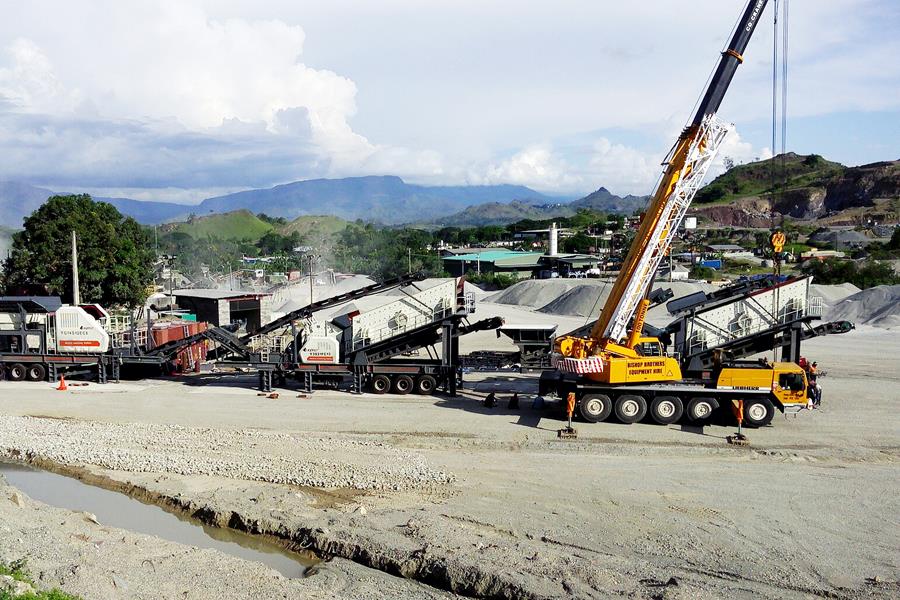
Case study of 180 tph andesite crushing line in Mindanao Philippines
-
Feasibility of portable sand washing plant 45 tph for remote site in Mongolia
-
Energy saving tips for cone crusher for copper ore 235 tph in Chile



