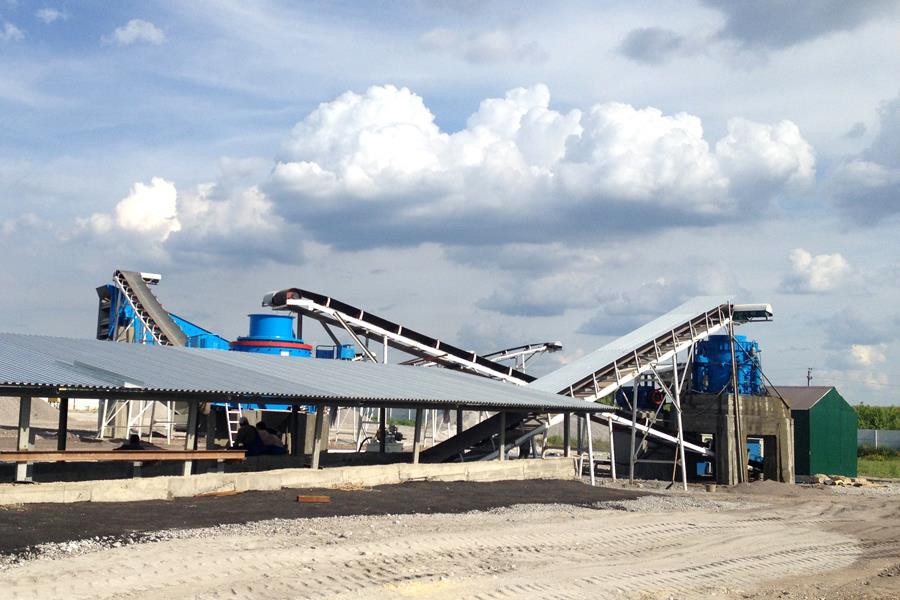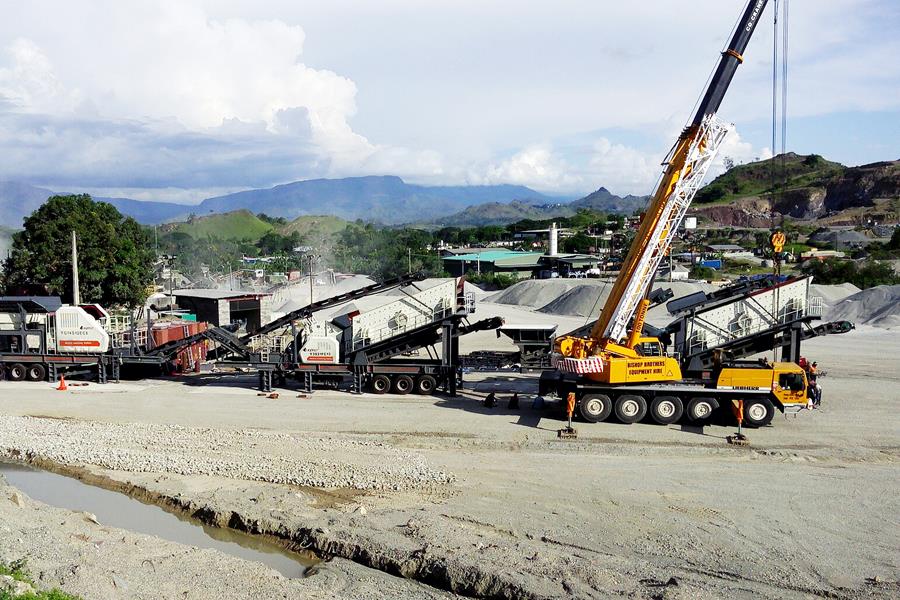
Case study of 180 tph andesite crushing line in Mindanao Philippines
Why this case study of 180 tph andesite crushing line in Mindanao Philippines demonstrates the value of a well‑engineered stationary plant
Mindanao is emerging as a strategic growth corridor in the Philippines, with the region outperforming the national economy in 2025 by posting an estimated average regional growth rate of 4.69 per cent, compared to the national GDP growth of 4.4 per cent. This economic momentum is driven by major infrastructure projects across the island, including the Mindanao Transport Connectivity Improvement Project, the Davao bypass tunnel project, and numerous road network developments under the Marcos administration. These projects have created sustained demand for high‑quality construction aggregates. In response, a quarry operator in Northern Mindanao recently commissioned a stationary andesite crushing line with a target output of 180 tonnes per hour. This case study of 180 tph andesite crushing line in Mindanao Philippines examines the project from initial planning to full operation, highlighting the equipment selection, operational challenges, and the measurable results achieved. At OCP Mechanical Company, with over 40 years of manufacturing experience, we supplied the complete crushing line, including our PE Series jaw crusher, HST Series cone crusher, and VSI 6X sand making machine, all engineered to deliver reliable performance in the demanding conditions of the Philippine quarrying sector.
Project background and site conditions
The quarry is located in the mountainous region of Northern Mindanao, where andesite deposits are abundant. Andesite is a hard, durable volcanic rock with a compressive strength of 150‑250 MPa, making it an ideal material for high‑grade concrete aggregates and road base. However, its hardness also presents challenges for crushing equipment, particularly in terms of wear on liners and blow bars. The site had limited space for equipment installation and required a compact layout that maximised material flow while minimising civil works. The operation needed to produce three main product fractions: 0‑5 mm manufactured sand, 5‑15 mm fine aggregate, and 15‑25 mm coarse aggregate, all meeting Philippine National Standards for construction materials. The plant was also required to operate continuously for 10 hours per day, six days per week, with a target availability of 90 per cent. This case study of 180 tph andesite crushing line in Mindanao Philippines demonstrates how a well‑planned stationary plant can meet these requirements while delivering consistent product quality and low operating costs.
Equipment selection and plant design
The crushing line was designed with a three‑stage crushing and screening configuration to achieve the desired product gradation. The primary stage consists of a PE Series jaw crusher with a feed opening of 900 x 1200 mm, which handles run‑of‑quarry material up to 700 mm. The secondary stage uses an HST Series single‑cylinder hydraulic cone crusher with a fine chamber, which reduces the material to 20‑40 mm. The tertiary stage employs a VSI 6X series sand making machine with a 40‑inch rotor, which produces the final sand fraction. The screening section includes two double‑deck vibrating screens: one for pre‑screening ahead of the secondary crusher and one for final classification. All conveyors are fitted with belt scales to monitor throughput, and the entire plant is controlled by a PLC‑based automation system that monitors power draw, feed rates, and product sizes. The selection of this specific equipment combination was based on a detailed case study of 180 tph andesite crushing line in Mindanao Philippines conducted by our engineering team, which analysed the feed characteristics, product requirements, and site constraints to recommend the optimal layout.
Operational challenges and solutions
During the commissioning phase, several challenges were encountered. The andesite feed contained a higher proportion of fines than initially expected, which caused some blinding on the screen decks. To address this, the screening media was changed from woven wire to polyurethane panels, which improved throughput by 12 per cent and reduced blinding frequency. The VSI crusher initially showed signs of uneven rotor wear, which was resolved by adjusting the cascade ratio and installing a new set of high‑chrome rotor tips. The conveyor transfer points also required modifications to reduce material spillage and dust generation. These issues were systematically addressed through a collaborative effort between the operator's maintenance team and our on‑site service engineers. The experience gained from this project is now being applied to other installations across the Philippines, and it forms a valuable part of the broader case study of 180 tph andesite crushing line in Mindanao Philippines, demonstrating the importance of flexibility and responsive support in achieving project success.
Performance metrics and achieved results
After three months of steady operation, the plant consistently achieved a throughput of 175‑185 tonnes per hour, comfortably meeting the 180 tph target. Product quality was verified through regular sieve analysis, with the manufactured sand consistently achieving a fineness modulus of 2.8 and a flakiness index of under 15 per cent, meeting the specifications for high‑strength concrete. The crusher availability averaged 94 per cent, exceeding the target of 90 per cent. Specific energy consumption was recorded at 2.1 kWh per tonne, which is considered very efficient for andesite crushing. Wear part life on the cone crusher liners averaged 1,200 hours, while the VSI rotor tips lasted approximately 800 hours. The operator reported a significant reduction in maintenance costs compared to their previous plant, which had been using older equipment with lower efficiency. This case study of 180 tph andesite crushing line in Mindanao Philippines clearly demonstrates that modern, well‑engineered equipment can deliver superior performance and lower operating costs in a challenging hard rock environment.
Economic impact and operator feedback
The quarry operator estimates that the new plant has reduced their cost per tonne by 18 per cent compared to the previous operation, primarily due to lower energy consumption, reduced maintenance, and higher throughput. The ability to produce multiple product fractions with consistent quality has also enabled them to secure long‑term supply contracts with major construction companies in the Davao and Cagayan de Oro areas. The operator specifically praised the VSI 6X sand making machine for its ability to produce a well‑shaped sand product with minimal fines generation, which has reduced the need for additional washing and dewatering. The hydraulic adjustment systems on the jaw and cone crushers have also reduced downtime for setting changes and liner replacements. Feedback from the plant operators highlighted the user‑friendliness of the control system, which provides clear real‑time data and alarms, making it easier to identify and correct issues quickly. This case study of 180 tph andesite crushing line in Mindanao Philippines shows that investing in reliable equipment and automation pays off in both operational efficiency and product quality.
Lessons learned and best practices
Several key lessons emerged from this project that are relevant to other quarry operators. First, thorough feed analysis and site assessment are essential for accurate equipment sizing and selection. Second, having a flexible approach to solving problems during commissioning – such as changing screen media or adjusting cascade settings – can significantly improve final performance. Third, investing in automation and remote monitoring provides long‑term operational benefits, including reduced labour costs and faster troubleshooting. Fourth, working with a single supplier for the entire crushing line ensures compatibility and simplifies support. This case study of 180 tph andesite crushing line in Mindanao Philippines illustrates these best practices in action. The operator has since ordered an additional set of spare parts and is considering expanding the plant with a second sand production line to meet growing demand.
Sample key performance data (For reference only)
| Metric | Achieved Value |
|---|---|
| Throughput | 175‑185 TPH * |
| Crusher availability | 94% * |
| Specific energy consumption | 2.1 kWh/t * |
| Product flakiness index | <15% * |
| Cone liner life | 1,200 hours * |
| VSI rotor tip life | 800 hours * |
All specifications and performance data are for reference only and are continuously updated. For the latest parameters, please consult our online customer service. Prices are for reference only and are subject to change based on configuration and market conditions. Actual results may vary depending on feed characteristics, operating conditions, and maintenance practices. OCP Mechanical reserves the right to update technical data and pricing without prior notice.
Why OCP Mechanical is your trusted partner for crushing solutions in the Philippines
With over 40 years of manufacturing experience, OCP Mechanical combines engineering excellence with a deep understanding of the Philippine quarrying sector. We are a factory‑direct supplier, meaning you avoid the markups charged by dealers and intermediaries. Our PE Series jaw crushers, HST Series cone crushers, and VSI 6X sand making machines are built with high‑quality components and are designed for reliable operation in the most demanding conditions. We provide comprehensive after‑sales support, including spare parts availability, technical assistance, and on‑site training. Our logistics team has extensive experience shipping to the Philippines, ensuring timely delivery of equipment and parts. We are committed to helping you achieve efficient, productive operations that maximise your return on investment.
Conclusion – Learn from this case study and build your own successful crushing operation
This case study of 180 tph andesite crushing line in Mindanao Philippines demonstrates that a well‑designed, modern crushing plant can deliver consistent production, excellent product quality, and low operating costs in a challenging hard rock environment. Whether you are planning a new plant or upgrading an existing one, OCP Mechanical has the equipment, expertise, and factory‑direct pricing to support your project. Our online customer service team is available 24/7 to provide free consultation, technical data, and a customised quotation for your operation. Prices and specifications are for reference only and are subject to change based on your specific requirements and market conditions. Click the chat button now – let us help you design and build a profitable crushing line in the Philippines.
-
Feasibility of portable sand washing plant 45 tph for remote site in Mongolia
-
Energy saving tips for cone crusher for copper ore 235 tph in Chile
-
-
Maintenance cost per ton of impact crusher for limestone 85 tph
-