Crusher plant layout optimization for 145 tph river pebble
Why crusher plant layout optimization for 145 tph river pebble matters for your operation
Indonesia's construction sector continues to expand, driven by the government's infrastructure development program and a growing property market across the archipelago. River pebble, a hard, durable natural material abundant in Indonesian riverbeds, is increasingly used as a premium feedstock for high-strength concrete and asphalt applications. However, its high hardness (Mohs 7) and abrasiveness present significant challenges for crushing equipment. For a 145 tonnes per hour operation, an optimized plant layout is not just a design consideration – it is a critical factor in achieving consistent production, controlling operating costs, and maximizing equipment life. A well-planned layout reduces unnecessary material handling, minimizes recirculating loads, and ensures that each crusher operates at its optimal setting. This crusher plant layout optimization for 145 tph river pebble examines the key principles and practical steps to design a plant that delivers reliable performance in the demanding conditions of the Indonesian quarrying sector. At OCP Mechanical Company, with over 40 years of manufacturing experience, we design and supply complete crushing plants, including our PE Series jaw crushers, HST Series cone crushers, and VSI 6X sand making machines, and we provide expert guidance on layout optimization for maximum efficiency and productivity.
Understanding river pebble and its impact on plant design
River pebble is a natural material composed primarily of quartz and silica, giving it exceptional hardness and abrasiveness. Unlike blasted rock, which has irregular shapes and sharp edges, river pebbles are rounded and smooth, which can make them more difficult to crush because the crusher must overcome the material's smooth surface to achieve breakage. The compressive strength of river pebble typically exceeds 200 MPa, requiring robust primary, secondary, and tertiary crushing stages. When planning crusher plant layout optimization for 145 tph river pebble, the first consideration is the number of crushing stages. For river pebble, a three-stage crushing circuit is generally recommended: primary jaw crushing, secondary cone crushing, and tertiary VSI crushing for shaping. The layout must also account for the high wear rates associated with river pebble, which means easy access for maintenance and sufficient space for spare parts storage. The layout should also incorporate effective dust suppression and noise control measures, as many Indonesian quarry sites are located near residential areas.
Key principles of layout optimization
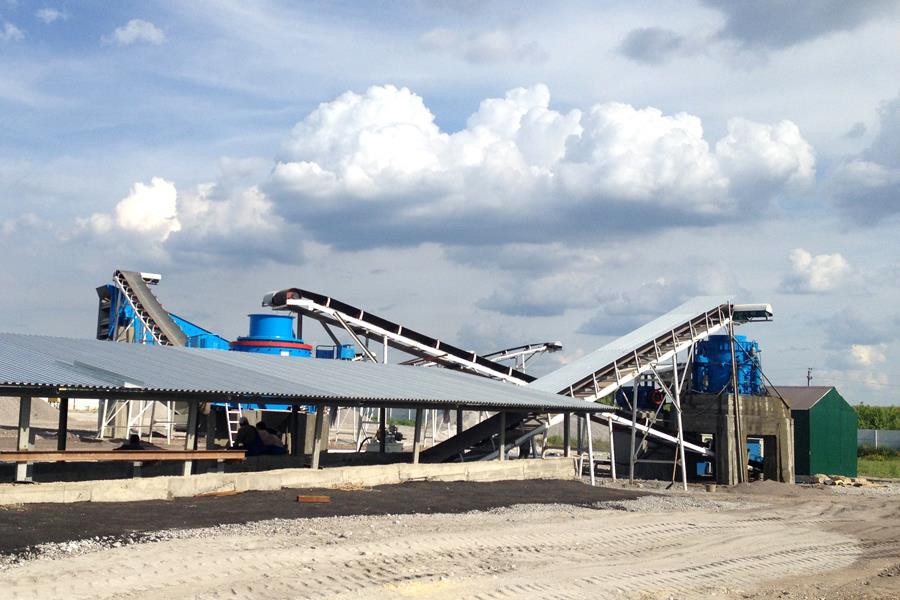
Effective crusher plant layout optimization for 145 tph river pebble is guided by several key principles. The first is minimizing material handling – reducing the distance material must travel between crushing stages. This reduces conveyor lengths, lowers energy consumption, and decreases the risk of material degradation. The second principle is ensuring a gravity-fed material flow wherever possible, so that material moves downward through the plant, reducing the need for additional conveying equipment. The third principle is maintaining sufficient space around each piece of equipment for maintenance access, including room for crane or mobile equipment to remove and replace heavy components such as jaw plates and cone liners. The fourth principle is incorporating surge bins and stockpiles at strategic points to decouple the different stages, allowing the plant to continue operating if one stage experiences a brief interruption. The fifth principle is designing the plant with flexibility in mind, allowing for future expansion or changes in product mix. These principles form the foundation of successful crusher plant layout optimization for 145 tph river pebble.
Primary crushing – positioning the jaw crusher
The primary jaw crusher is the first stage in the process and must be positioned to receive material directly from the dump hopper or the feeder. The jaw crusher should be located as close as possible to the quarry face to minimize haulage distances. In crusher plant layout optimization for 145 tph river pebble, the feed hopper and feeder should be designed to handle the maximum feed size (typically up to 600‑800 mm) and to provide a consistent feed rate. The discharge from the jaw crusher should be directed to a conveyor that feeds the secondary crusher. The space around the jaw crusher should allow for access to the toggle plate and the bearings, and there should be sufficient room for replacing the jaw plates. We recommend using a PE Series jaw crusher with a feed opening of 900 x 1200 mm for this application, which provides the necessary capacity and reduction ratio. The positioning of the jaw crusher should also consider the natural slope of the site, using gravity to assist material flow where possible.
Secondary and tertiary crushing – optimizing the cone and VSI circuit
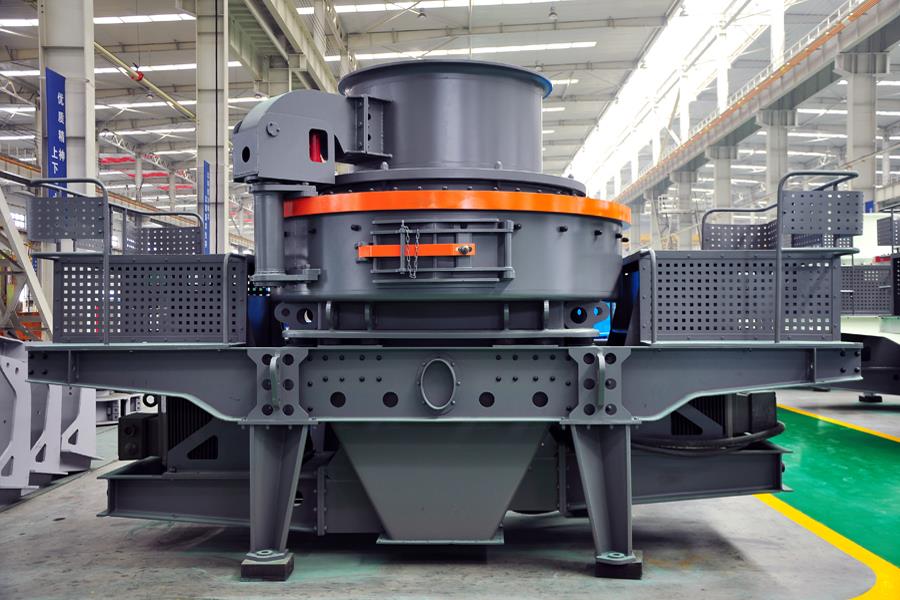
The secondary and tertiary crushing stages are the heart of the plant for river pebble processing. In crusher plant layout optimization for 145 tph river pebble, the secondary crusher (typically an HST Series cone crusher) receives the discharge from the primary jaw crusher and reduces it to a size suitable for the tertiary VSI crusher. The cone crusher should be positioned below the primary crusher to allow gravity flow, and it should be equipped with a surge bin to decouple the primary and secondary stages. The discharge from the cone crusher is then fed to a vibrating screen, which separates the material into different fractions. The oversize material is returned to the cone crusher (closed circuit), while the correctly sized material is fed to the tertiary VSI crusher. The VSI 6X crusher, which is responsible for producing a cubical sand product, should be positioned to receive a consistent feed. The layout should allow for easy access to the VSI crusher for rotor tip replacement and other maintenance tasks. The screening station should be located to allow multiple product fractions to be discharged into separate stockpiles.
Material flow and conveyor design
Efficient material flow is a central element of crusher plant layout optimization for 145 tph river pebble. The conveyors should be designed with the correct capacity (typically 10‑15 per cent above the peak throughput) and with the appropriate belt speed and width to handle the material without spillage. Transfer points should be designed to minimize material degradation and to reduce dust generation. In a well-optimized layout, the conveyors should follow the natural slope of the site, using gravity to reduce the power required. The transfer points should be equipped with dust suppression systems and, where necessary, magnetic separators to remove tramp metal. The layout should also include an effective stockpile management system, with multiple discharge points to allow for different product fractions to be stored separately. Our engineering team can provide detailed conveyor design and layout recommendations as part of the crusher plant layout optimization for 145 tph river pebble project.
Maintenance access and safety considerations
A plant layout that does not prioritize maintenance access will inevitably lead to higher downtime and increased costs. In crusher plant layout optimization for 145 tph river pebble, maintenance access is a key design criterion. Each crusher should have sufficient clearance for lifting equipment, such as an overhead crane or a mobile crane, to allow for the removal and replacement of heavy components. There should be walkways and platforms for safe access to all inspection points, lubrication points, and control panels. Safety features, such as guardrails, emergency stop systems, and dust control, should be integrated into the layout. In Indonesia's tropical climate, where high humidity can lead to corrosion, the layout should also consider the use of corrosion-resistant materials and protective coatings. By designing for maintenance access from the start, operators can significantly reduce downtime and extend the service life of the plant.
Sample layout optimization checklist (For reference only)
| Aspect | Recommendation |
|---|---|
| Primary crusher position | Close to quarry face, gravity feed from hopper |
| Secondary crusher position | Below primary, surge bin between stages |
| Tertiary crusher position | Consistent feed from screen, easy rotor access |
| Conveyors | Sized for peak load, transfer points with dust suppression |
| Maintenance access | Crane access to all crushers, walkways, platforms |
| Stockpile management | Multiple discharge points, separated product fractions |
| Safety | Guardrails, emergency stops, dust control systems |
All specifications and recommendations are for reference only and are continuously updated. For the latest parameters, please consult our online customer service. Prices are for reference only and are subject to change based on configuration and market conditions. Actual results may vary depending on feed characteristics, operating conditions, and maintenance practices. OCP Mechanical reserves the right to update technical data and pricing without prior notice.
Why OCP Mechanical is your partner for crushing plant solutions in Indonesia
With over 40 years of manufacturing experience, OCP Mechanical combines engineering excellence with a deep understanding of the Indonesian quarrying sector. We are a factory-direct supplier, meaning you avoid the markups charged by dealers and intermediaries. Our PE Series jaw crushers, HST Series cone crushers, and VSI 6X sand making machines are built with high-quality components and are designed for reliable performance in the most demanding applications. We provide comprehensive after-sales support, including spare parts availability, technical assistance, and on-site training. Our logistics team has extensive experience shipping to Indonesia, ensuring timely delivery of equipment and parts. We are committed to helping you achieve a plant layout that maximizes productivity and minimizes operating costs.
Conclusion – Optimize your layout to maximize productivity and reduce costs
A well-designed plant layout is essential for achieving consistent production, controlling operating costs, and maximizing equipment life when processing river pebble. By following the principles and practical steps outlined in this guide, you can design a plant that delivers reliable performance in the demanding conditions of the Indonesian quarrying sector. OCP Mechanical offers the equipment, expertise, and factory-direct pricing you need to succeed. Our online customer service team is available 24/7 to provide free consultation, technical data, and a customised quotation for your operation. Click the chat button now – let us help you implement effective crusher plant layout optimization for 145 tph river pebble and build a more efficient and profitable operation in Indonesia.