How to prevent belt conveyor spillage in crushing plant – A practical guide for reliable material handling
Why preventing belt conveyor spillage in crushing plant is essential for your operation
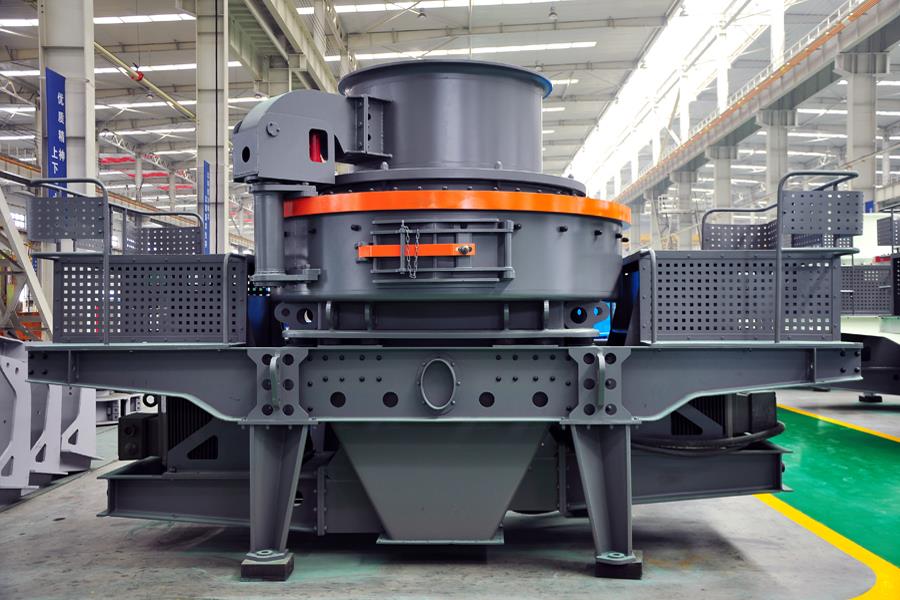
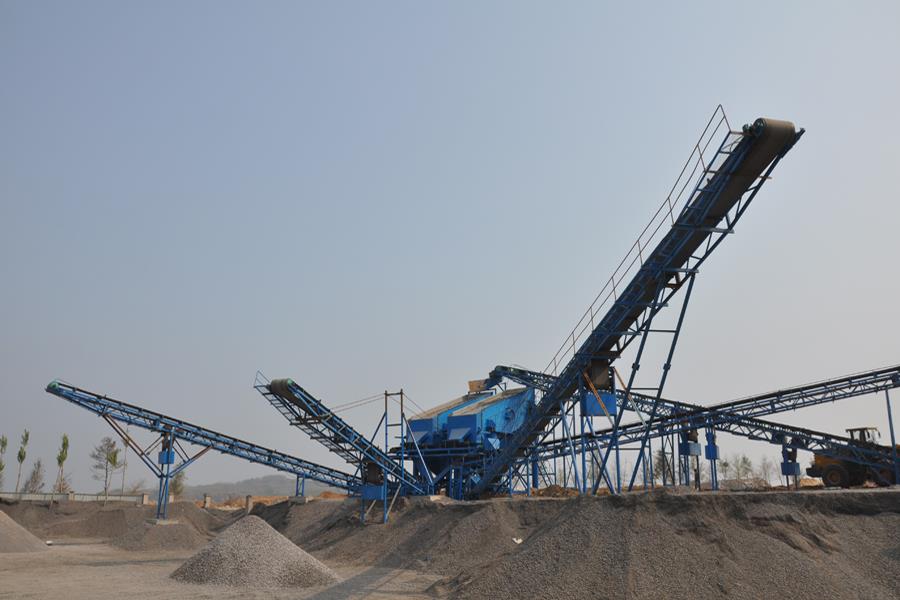
Belt conveyors are the arteries of any crushing plant, transporting material between crushing stages, screening units, and stockpiles. When spillage occurs, it creates a cascade of problems: material accumulates on walkways, creating safety hazards; dust emissions increase, raising environmental compliance costs; and valuable product is lost, reducing overall yield. In many operations, spillage accounts for 1‑3 per cent of total throughput, representing a significant financial loss. For a typical 150‑200 TPH plant, this can amount to hundreds of tonnes of material per month that never reaches the product stockpile. Understanding how to prevent belt conveyor spillage in crushing plant is therefore essential for maintaining safety, protecting equipment, and improving profitability. At OCP Mechanical Company, with over 40 years of manufacturing experience, we design complete crushing plants with integrated conveyor systems, including our PE Series jaw crushers, HST Series cone crushers, and VSI 6X sand making machines. We provide practical guidance to help operators maintain clean, efficient material handling across their plants.
Understanding the common causes of conveyor spillage
Before implementing solutions, it is important to understand what causes spillage. The most common cause is incorrect belt alignment and tracking. When a belt runs off-centre, material can spill over the edges, especially at transfer points and along the carrying side. Uneven loading is another major factor; if material is deposited off-centre on the belt, it creates an unbalanced load that causes the belt to wander. Worn or damaged idlers and rollers can also contribute to spillage, as they fail to support the belt properly. Transfer point design is a critical factor – if the chute does not direct material onto the belt at the correct angle and speed, material can bounce and spill. Material characteristics also play a role; wet or sticky material can adhere to the belt and carry back, while dry, dusty material can become airborne and escape. Understanding these causes is the first step in how to prevent belt conveyor spillage in crushing plant.
Optimising transfer point design
The transfer point – where material falls from one conveyor to another or from a crusher to a conveyor – is the most common location for spillage. To prevent spillage, the transfer chute must be designed to direct the material onto the centre of the receiving belt with a velocity that matches the belt speed. The chute should have a rock box at the impact point to absorb the energy of the falling material and reduce the impact on the belt. The chute walls should be fitted with wear liners to maintain their shape and prevent material from building up and altering the flow path. The receiving belt should be equipped with a skirt board – rubber or polyurethane side seals that contain the material on the belt. The skirt boards should be adjustable and regularly inspected for wear. A properly designed and maintained transfer point is the foundation of how to prevent belt conveyor spillage in crushing plant. Our engineering team can provide detailed transfer point designs for your specific plant configuration.
Maintaining proper belt alignment and tracking
Belt alignment is critical for preventing spillage. A belt that tracks correctly will run smoothly along the centre of the idlers, keeping material contained on the belt. Belt tracking is achieved through proper installation of the conveyor structure, correct tensioning of the belt, and the use of training idlers – specialised idlers that adjust to guide the belt back to centre. The conveyor structure should be level and square, with the head and tail pulleys aligned. The belt tension should be sufficient to prevent slippage on the drive pulley but not so tight that it stresses the belt and bearings. Regular inspection of the belt for damage, wear, or misalignment is essential. If the belt is tracking off-centre, the cause should be identified and corrected promptly. This is a key element of how to prevent belt conveyor spillage in crushing plant. We recommend scheduling a weekly alignment check and training your operators to recognise early signs of misalignment.
Controlling material feed and load distribution
Uneven material loading is a leading cause of spillage. When material is loaded off-centre, the belt will tend to track towards the heavier side, causing spillage along the belt's path. To prevent this, the feeder or chute that deposits material onto the belt must be designed to centre the load. A belt plough or diverter can be used to centre the material before it reaches the transfer point. The feed rate should be consistent, avoiding surges that can overload the belt and cause spillage. In a crushing plant, the feed to the conveyor is typically controlled by the crusher's discharge and the associated screening. Using a variable speed feeder can help maintain a consistent feed rate. Proper feed management is a practical aspect of how to prevent belt conveyor spillage in crushing plant. Our PE Series jaw crushers and HST Series cone crushers can be integrated with feed control systems to maintain consistent material flow to the conveyors.
Installing and maintaining effective belt cleaning systems
Material carryback – where fines adhere to the belt after the discharge point – is a significant source of spillage. As the belt returns to the loading point, this material falls off, accumulating under the conveyor. To prevent this, effective belt cleaning systems are essential. A primary belt scraper at the discharge pulley removes the bulk of the carryback material. A secondary scraper, positioned further along the belt, removes the remaining fines. For sticky materials, a belt washing system that uses water and a brush can be effective. These cleaning systems must be regularly inspected and adjusted to ensure they are making proper contact with the belt. Worn scrapers are ineffective and can damage the belt. Effective belt cleaning is a critical part of how to prevent belt conveyor spillage in crushing plant. We supply a range of belt cleaning systems and can recommend the best solution for your material and operating conditions.
Managing material moisture and dust
The moisture content of the material being conveyed has a significant impact on spillage. Dry, dusty material can become airborne at transfer points, creating dust emissions and spillage. Wet or sticky material can adhere to the belt and carry back, or it can build up on idlers and chutes, altering material flow. To manage dry material, installing dust suppression systems – such as water sprays or dust collectors – can reduce airborne material. For wet material, ensuring that the belt cleaners are effective and that the chutes are designed with self-cleaning features is important. In some cases, adding a small amount of water can help dust suppression, but care must be taken not to make the material too wet. Managing material moisture is an often-overlooked aspect of how to prevent belt conveyor spillage in crushing plant.
Sample spillage prevention checklist (For reference only)
| Action | Recommended Frequency |
|---|---|
| Inspect and adjust skirt boards | Weekly |
| Check belt tracking and alignment | Weekly |
| Replace worn belt scrapers | Monthly |
| Clean conveyor structure and walkways | Daily |
| Inspect idlers and rollers for wear | Monthly |
| Review transfer point design for wear | Quarterly |
All specifications and recommendations are for reference only and are continuously updated. For the latest parameters, please consult our online customer service. Prices are for reference only and are subject to change based on configuration and market conditions. Actual results may vary depending on feed characteristics, operating conditions, and maintenance practices. OCP Mechanical reserves the right to update technical data and pricing without prior notice.
Why OCP Mechanical is your partner for complete crushing plant solutions
With over 40 years of manufacturing experience, OCP Mechanical combines engineering excellence with practical, field-tested knowledge of crushing plant operations. We are a factory-direct supplier, meaning you avoid the markups charged by dealers and intermediaries. Our complete crushing plants, including our PE Series jaw crushers, HST Series cone crushers, and VSI 6X sand making machines, are built with high-quality components and are designed for reliable performance in the most demanding conditions. We provide comprehensive after-sales support, including spare parts availability, technical assistance, and on-site training. We are committed to helping you achieve clean, efficient, and profitable material handling.
Conclusion – Keep your conveyors running clean and efficient
Preventing spillage on belt conveyors is essential for maintaining safety, reducing cleanup costs, and maximizing product yield. By optimising transfer point design, maintaining belt alignment, controlling feed distribution, installing effective cleaning systems, and managing material moisture, you can significantly reduce spillage in your crushing plant. OCP Mechanical offers the equipment, expertise, and factory-direct pricing you need to succeed. Our online customer service team is available 24/7 to provide free consultation, technical data, and a customised quotation for your operation. Click the chat button now – let us help you implement effective strategies for how to prevent belt conveyor spillage in crushing plant and build a cleaner, more efficient operation.