
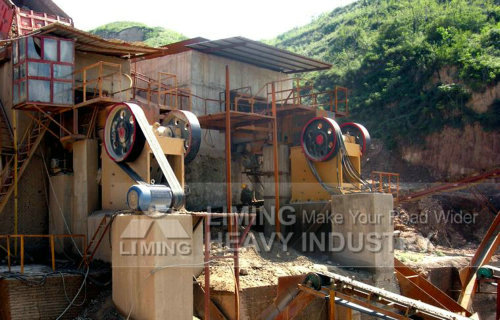
Troubleshooting checklist for vibrating screen for wet aggregate
Why wet aggregate screening demands a systematic approach
Indonesia's tropical climate brings heavy rainfall and high humidity throughout much of the year, making wet aggregate screening a daily reality for quarry operators across Java, Sumatra, Kalimantan, and Sulawesi. Vibrating screens processing wet material face unique challenges—blinding, clogging, reduced efficiency, and accelerated wear—that can cripple production if not addressed promptly. For plant managers and maintenance teams, a structured Troubleshooting checklist for vibrating screen for wet aggregate is not just a reference document; it is an essential tool for minimising downtime and maintaining consistent product quality. Wet screening issues often manifest gradually, making early detection critical. OCP Mechanical Company, with over 40 years of direct manufacturing experience, supplies heavy-duty vibrating screens designed for Indonesian conditions, and we provide comprehensive troubleshooting guidance to help you keep your operation running smoothly—all at factory-direct prices.
Common symptoms and initial inspection steps
The first step in any Troubleshooting checklist for vibrating screen for wet aggregate is recognising the warning signs. Reduced throughput, poor material stratification, visible material build-up on deck panels, and excessive noise are all indicators that something is wrong. Begin your inspection by visually checking the feed distribution—uneven feeding can cause localised blinding and reduce overall efficiency. Next, examine the screen deck surface for clogged apertures, particularly in the finer mesh sections where wet fines tend to adhere. In Indonesia's humid conditions, clay-rich aggregates are especially problematic. Check the spray bar system (if installed) for clogged nozzles or insufficient water pressure, as inadequate washing compounds blinding issues. Finally, verify that the screen's vibration amplitude and stroke are within manufacturer specifications—reduced amplitude often indicates mechanical problems. OCP's maintenance manuals include detailed inspection logs to track these parameters systematically. All technical data are for reference; actual values depend on screen model and application.
Addressing blinding and material build-up
Blinding—the blockage of screen apertures by wet fines—is the most frequent complaint in wet screening. A comprehensive Troubleshooting checklist for vibrating screen for wet aggregate devotes significant attention to this issue. The first line of defence is proper spray bar placement and maintenance. Nozzles should be positioned to apply water at the point where material first contacts the deck, with sufficient pressure to dislodge fines. In Indonesia, where water quality varies, regular nozzle cleaning is essential to prevent mineral scaling. For severe blinding, OCP recommends using self-cleaning screen media such as polyurethane or rubber panels with tapered apertures that release trapped particles more easily. These panels typically outlast woven wire by 2-3 times in wet applications. Adjusting the screen's slope angle—increasing it slightly for wetter material—can also help material flow more freely. If blinding persists, consider reducing the feed rate temporarily until the issue resolves, then gradually increasing it while monitoring performance. OCP's engineering team can advise on the optimal screen media for your specific aggregate type and moisture content. All recommendations are for reference; actual results vary with feed characteristics.
Mechanical checks: drive system and bearings
Beyond deck-related issues, mechanical faults can masquerade as screening problems. A thorough Troubleshooting checklist for vibrating screen for wet aggregate must include inspection of the drive system and bearings. Start by checking the V-belt tension—loose belts reduce vibration amplitude and cause uneven motion. Listen for unusual bearing noise, which may indicate contamination from water ingress or inadequate lubrication. Indonesia's high humidity accelerates bearing corrosion, so OCP recommends using sealed, grease-filled bearings with water-repellent properties. Verify that the eccentric shaft or vibrator unit rotates freely without binding. Also inspect the screen's support springs—broken or sagging springs alter the vibration pattern, reducing screening efficiency. Use a vibration meter to measure amplitude at each corner of the screen; significant variation indicates spring misalignment or frame distortion. OCP's remote monitoring system can track bearing temperature trends, providing early warning of impending failure. All technical parameters are continuously updated; consult our online support for the latest specifications.
Operational adjustments and maintenance scheduling
Operational practices play a crucial role in wet screening success. The Troubleshooting checklist for vibrating screen for wet aggregate should include daily and weekly tasks. Daily: inspect deck panels for wear or tears, check spray nozzles for clogs, and verify drive belt tension. Weekly: measure and record amplitude at all four corners, lubricate bearings according to the manufacturer's schedule, and clean the underside of the deck where fines often accumulate. During Indonesia's rainy season, consider reducing feed rates slightly to prevent overloading and blinding. OCP recommends keeping a spare set of deck panels and spray nozzles on-site to minimise change-out time. Training your operators to recognise early signs of trouble—before they escalate into major failures—is equally important. OCP provides on-site training covering these best practices, empowering your team to respond confidently to any issue. Actual maintenance intervals depend on feed tonnage and moisture levels; OCP reserves the right to update technical recommendations based on field data.
Get your custom troubleshooting guide and support
Implementing a structured Troubleshooting checklist for vibrating screen for wet aggregate is one of the most effective ways to reduce downtime and maintain product quality. OCP Mechanical Company offers a free, site-specific troubleshooting guide tailored to your screen model, feed material, and Indonesian site conditions. Our 24-hour online customer service team is ready to answer your questions and provide technical support. To receive your custom guide and equipment quote, simply click the chat button on our website or complete the enquiry form with your screen specifications and operating challenges. Our engineers will respond within 24 hours with a detailed checklist, including recommended spare parts and a maintenance schedule. All quoted figures and parameters are for reference and subject to final confirmation. OCP's 40-year track record ensures durable, reliable screening solutions for Indonesia's demanding wet aggregate applications. Reach out today and keep your screen running at peak efficiency.
-
Sand screw washer capacity calculation for dewatering 55 tph
-
How to reduce liner wear in cone crusher for serpentinite 80 tph
-
Mobile crusher fuel consumption per hour for limestone 95 tph in Kenya
-
-