
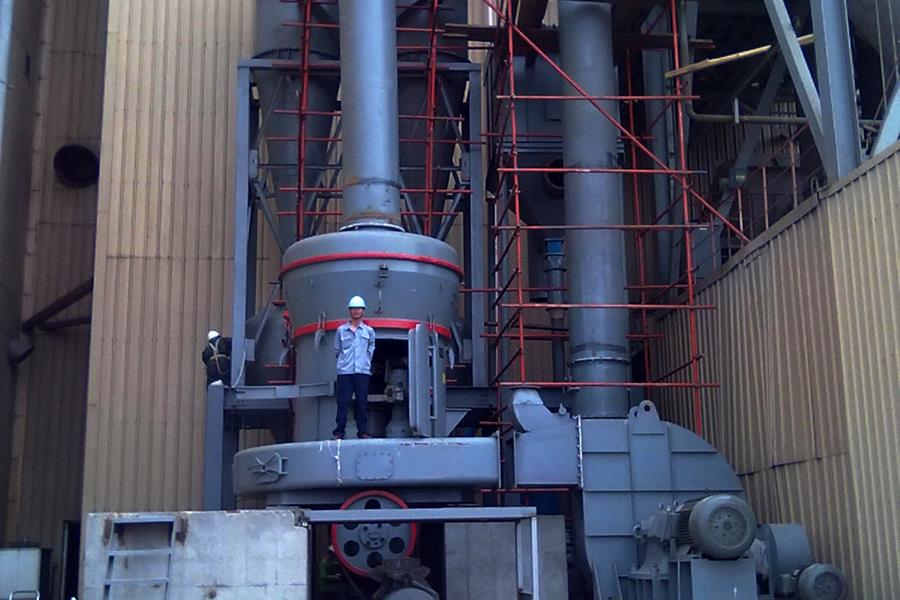
Mobile crusher fuel consumption per hour for limestone 95 tph in Kenya
Why fuel economy is a top priority for Kenyan limestone operators
Kenya's construction sector is booming, driven by infrastructure projects such as the Nairobi Expressway, the Standard Gauge Railway extensions, and numerous real estate developments across the country. Limestone, abundant in regions like Athi River, Bamburi, and the Rift Valley, is the primary aggregate for concrete and road base. For quarry operators and contractors, fuel is one of the largest variable operating expenses—particularly for mobile crushers that rely on diesel engines. Understanding the Mobile crusher fuel consumption per hour for limestone 95 tph in Kenya is therefore essential for accurate project budgeting, tendering, and profitability analysis. A mobile crusher that consumes excessive fuel can erode margins, while an efficient machine reduces both costs and carbon footprint. OCP Mechanical Company, with over 40 years of direct manufacturing experience, offers mobile crushers engineered for fuel efficiency, and we provide transparent consumption data to help Kenyan operators make informed decisions—all at factory‑direct prices.
Key factors that determine hourly fuel consumption
Several variables influence the Mobile crusher fuel consumption per hour for limestone 95 tph in Kenya. The engine size and type are primary determinants—a 250–350 hp diesel engine is typical for this capacity range. However, fuel consumption is not fixed; it varies with load condition. Under full load, a mobile crusher processing limestone at 95 tph may consume between 18 and 25 litres per hour, depending on the machine's efficiency and the limestone's hardness. Under partial load or during idling, consumption drops but remains a cost factor. The crusher's hydraulic system also contributes—machines with efficient load‑sensing hydraulics use less fuel than those with fixed‑displacement pumps. Additionally, site conditions such as altitude (Kenya's highlands), ambient temperature, and terrain affect engine performance and fuel burn. OCP's mobile crushers feature electronically controlled engines that optimise fuel delivery based on load, achieving consistent consumption across varying conditions. All fuel consumption data are estimates; actual figures depend on feed characteristics and operator practices. Consult our online support for the latest engine specifications.
Calculating fuel cost per tonne for Kenyan operations
To put the Mobile crusher fuel consumption per hour for limestone 95 tph in Kenya into financial perspective, operators should calculate the cost per tonne. At 95 tph, an 8‑hour shift processes 760 tonnes. With a fuel consumption of 22 litres per hour, total daily fuel use is 176 litres. At current Kenyan diesel prices (approximately KES 200–220 per litre), the daily fuel cost is KES 35,000–38,700, translating to KES 46–51 per tonne. This calculation provides a benchmark for comparing different crusher models. OCP's mobile crushers typically achieve on the lower end of this range due to their efficient drivetrains and intelligent load management. When evaluating quotes, consider the total cost of ownership—a crusher with slightly higher initial cost but lower fuel consumption can deliver significant savings over a year of operation. OCP provides a detailed fuel cost projection with every quotation, helping you see the long‑term picture. All prices are for reference; final costs depend on current diesel prices and operating hours.
Practical strategies to minimise fuel consumption
Even with a fuel‑efficient machine, operational practices can further reduce Mobile crusher fuel consumption per hour for limestone 95 tph in Kenya. Maintaining a consistent, choke‑fed condition prevents the engine from surging and reduces fuel waste. Avoiding prolonged idling—turning off the engine during extended stops—can save 2‑4 litres per hour. Regular maintenance, including clean air filters, proper tyre pressure, and timely oil changes, keeps the engine running at peak efficiency. OCP recommends a weekly inspection of the air intake system, as dust‑clogged filters increase fuel consumption by up to 5%. Additionally, operating on level ground where possible reduces rolling resistance and fuel burn. In Kenya's hilly regions, planning haul routes to minimise gradients can also improve efficiency. OCP's telematics system tracks real‑time fuel consumption and alerts operators to anomalies, enabling immediate corrective action. By combining these strategies, operators can typically reduce fuel consumption by 8‑12% compared with baseline operation. Actual savings depend on site conditions and operator diligence.
Comparing mobile vs stationary crusher fuel economics
When considering the Mobile crusher fuel consumption per hour for limestone 95 tph in Kenya, it is useful to compare it with a stationary electric‑powered plant. Stationary plants typically have lower fuel costs per tonne, as they run on grid electricity. However, they require material haulage to the plant—a significant cost that often outweighs the fuel savings. A mobile crusher operating at the quarry face eliminates truck transport to a central plant, saving 10‑30 litres of diesel per hour on haulage alone. For Kenyan operations with multiple sites or limited project durations, the mobility advantage often makes the mobile crusher more economical overall. OCP's engineers can conduct a site‑specific cost comparison, factoring in haul distances, fuel prices, and utilisation rates, to help you choose the most cost‑effective configuration. All comparative figures are estimates; actual savings depend on site layout and logistics. OCP reserves the right to update technical data and pricing based on market conditions.
Get your custom fuel consumption analysis and quote
Understanding the Mobile crusher fuel consumption per hour for limestone 95 tph in Kenya is essential for accurate project planning and cost control. OCP Mechanical Company offers a free, site‑specific fuel consumption analysis based on your feed material, site elevation, and operating schedule. Our 24‑hour online customer service team is ready to provide technical guidance and answer your questions. To receive your personalised analysis and equipment quote, simply click the chat button on our website or complete the enquiry form with your project details. Our engineers will respond within 24 hours with a detailed proposal, including fuel consumption projections, cost per tonne estimates, and a machine recommendation. All quoted figures and parameters are for reference and subject to final confirmation. OCP's 40‑year track record ensures reliable, fuel‑efficient mobile crushers that deliver exceptional value for Kenyan limestone operations. Reach out today and start optimising your fuel costs.
-
-
-
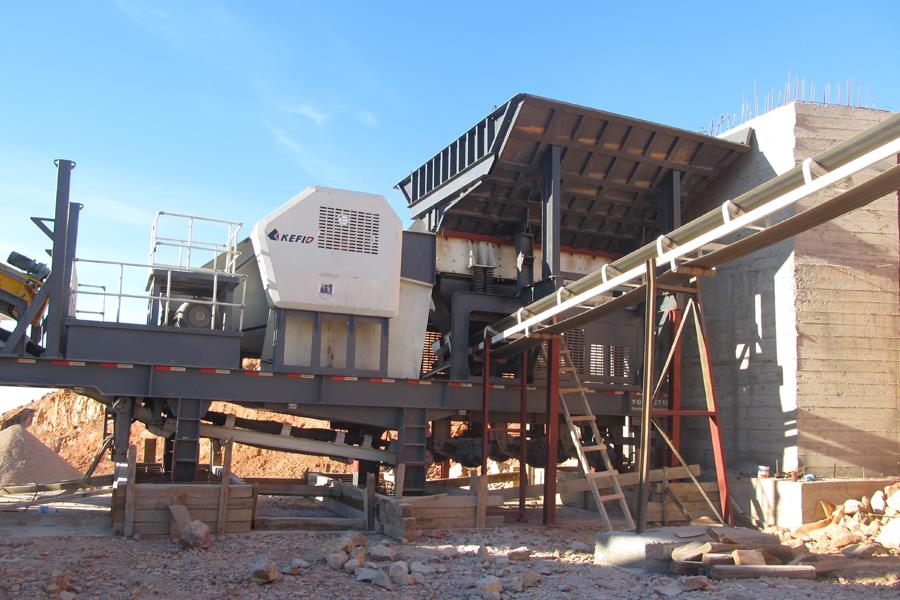
Case study of 170 tph andesite crushing line in Mindanao Philippines
-
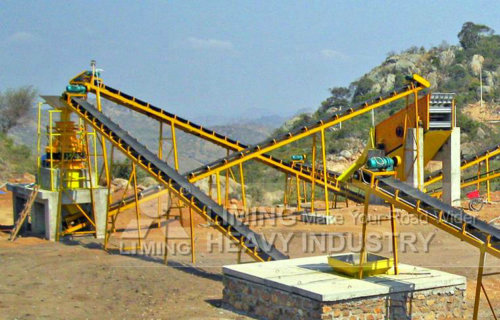
Feasibility of portable sand washing plant 45 tph for remote site in Mongolia
-
Energy saving tips for cone crusher for copper ore 220 tph in Chile