
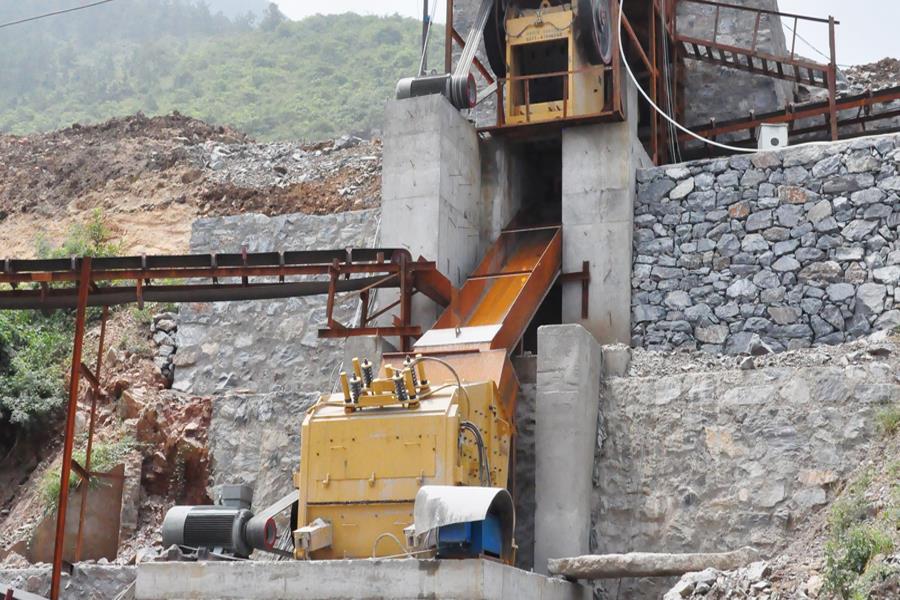
Best practice for feeding a jaw crusher with excavator
Why proper feeding is the foundation of jaw crusher performance
The feeding method is one of the most influential factors in jaw crusher efficiency, safety, and operating cost. For quarries, mines, and recycling sites worldwide, using an excavator to load material into the jaw crusher is standard practice—yet many operations fail to achieve optimal results due to inconsistent technique. Proper feeding directly affects crusher throughput, liner wear, product consistency, and the risk of blockages or damage. Mastering the Best practice for feeding a jaw crusher with excavator is therefore a valuable skill that reduces downtime and improves profitability. OCP Mechanical Company, with over 40 years of direct manufacturing experience, designs jaw crushers that tolerate a range of feed conditions, but we also provide practical guidance to help operators worldwide get the most from their equipment—all backed by factory‑direct support and training resources.
Core principles of effective excavator feeding
Understanding the Best practice for feeding a jaw crusher with excavator begins with a few fundamental principles. First, maintain a consistent feed rate—surge feeding overloads the crusher, while intermittent feeding reduces throughput and causes uneven liner wear. The excavator operator should aim to keep the crusher’s feed hopper between 70% and 100% full at all times. Second, ensure that the material is fed centrally into the crushing chamber, spreading evenly across the full width of the jaw plates. Off‑centre feeding accelerates wear on one side of the liners, leading to premature replacement and increased costs. Third, avoid dropping material from excessive height, as this creates impact damage to the jaw plates and can dislodge toggle seats. The excavator bucket should be positioned as close as possible to the feed opening before releasing the load. OCP's jaw crushers feature deep feed hoppers and steep liners that help guide material centrally, but operator discipline remains essential. Actual results depend on feed consistency; these principles apply across all crusher models and feed materials.
Excavator selection and bucket technique
The excavator and bucket sizing are key considerations in the Best practice for feeding a jaw crusher with excavator. A bucket that is too large creates surge loading and increases the risk of bridging—oversize blocks jamming the crusher opening. Conversely, a bucket that is too small reduces feeding efficiency. As a guideline, the maximum feed size should be 80% of the crusher's feed opening, and the bucket should be sized to deliver a consistent, manageable load. The operator should avoid swinging the loaded bucket rapidly, as this causes spillage and feed variation. Instead, adopt a smooth, controlled motion: approach the crusher, slow the swing, and gently lower the bucket to the feed opening height before dumping. The dump stroke should be quick but controlled, allowing material to flow evenly into the hopper. OCP recommends using a bucket with a teeth configuration that promotes material flow and minimises blockages. Regular inspection of bucket teeth and cutting edges also prevents oversized fragments from entering the crusher. All technical guidelines are for reference; consult your machine manual for specific recommendations.
Identifying and avoiding common feeding mistakes
Even experienced operators can fall into habits that reduce efficiency. One common error in the Best practice for feeding a jaw crusher with excavator is "skimming"—taking shallow passes across the muck pile to fill the bucket, which results in uneven feed gradation. Instead, operators should dig deep, obtaining a representative mix of fine and coarse material. Another mistake is dropping material into an empty crusher, causing high impact loads on the jaw plates and main bearings. Always maintain a material buffer in the crushing chamber before starting a new feed cycle. Bridging—large rocks lodging across the crusher opening—is a significant cause of downtime. To prevent this, the excavator operator should periodically use the bucket to push oversize material gently into the chamber, but never force it with excessive power, which risks damaging the crusher. If a blockage occurs, stop the feed immediately and clear it using the crusher's hydraulic adjustment or a pry bar. OCP's jaw crushers feature a hydraulic toggle beam that can be used to relieve jams quickly and safely. Training your operator team to recognise these issues and respond correctly is an investment that pays dividends in reduced downtime.
Integrating communication and safety protocols
Effective feeding is not just about the excavator operator—it requires clear communication between the operator and the plant control room or ground personnel. Hand signals, two‑way radios, or even visual camera systems should be in place to coordinate the feed rate, identify blockages, and respond to alarms. This is a vital part of the Best practice for feeding a jaw crusher with excavator. Safety is paramount: operators should never leave the excavator cab while the crusher is running, and they should always wear appropriate PPE. The area around the crusher feed opening should be kept clear of personnel during loading. Emergency stop buttons and pull‑cords should be clearly marked and tested daily. OCP provides a comprehensive feeding safety checklist as part of our operator training program, covering these communication and safety protocols. By prioritising both efficiency and safety, operators can achieve consistent throughput while protecting their team and equipment. All safety guidelines are for reference; site‑specific risk assessments should be conducted.
Get your custom feeding guide and equipment support
Optimising excavator feeding technique is one of the most cost‑effective ways to improve jaw crusher performance. OCP Mechanical Company offers a free, practical guide on the Best practice for feeding a jaw crusher with excavator, including detailed checklists, troubleshooting tips, and safety protocols. Our 24‑hour online customer service team is ready to answer your questions and provide technical support. To receive your personalised guide and equipment quote, simply click the chat button on our website or complete the enquiry form with your crusher model and site details. Our engineers will respond within 24 hours with a comprehensive feeding manual, recommendations for your specific setup, and a price breakdown for any related equipment or retrofits. All quoted figures and parameters are for reference and subject to final confirmation. OCP's 40‑year track record ensures durable jaw crushers and expert support for operations worldwide. Reach out today and start feeding smarter—for better performance, lower costs, and a safer workplace.
-
-
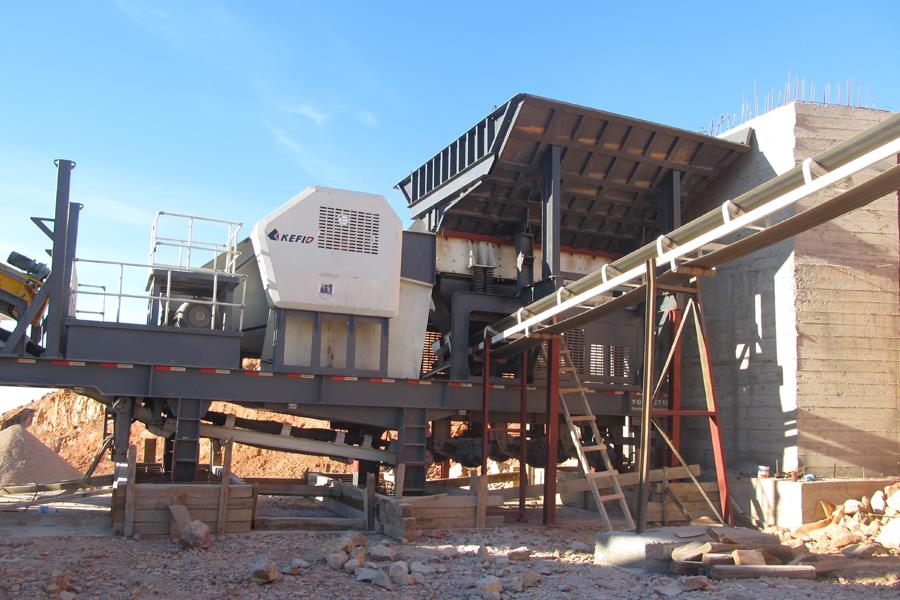
Case study of 170 tph andesite crushing line in Mindanao Philippines
-
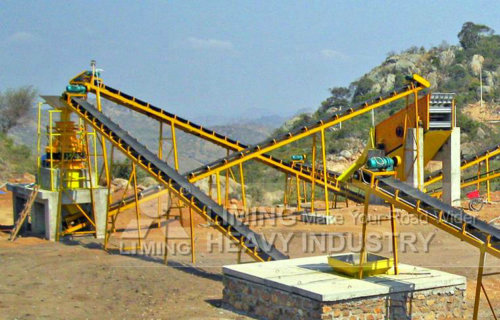
Feasibility of portable sand washing plant 45 tph for remote site in Mongolia
-
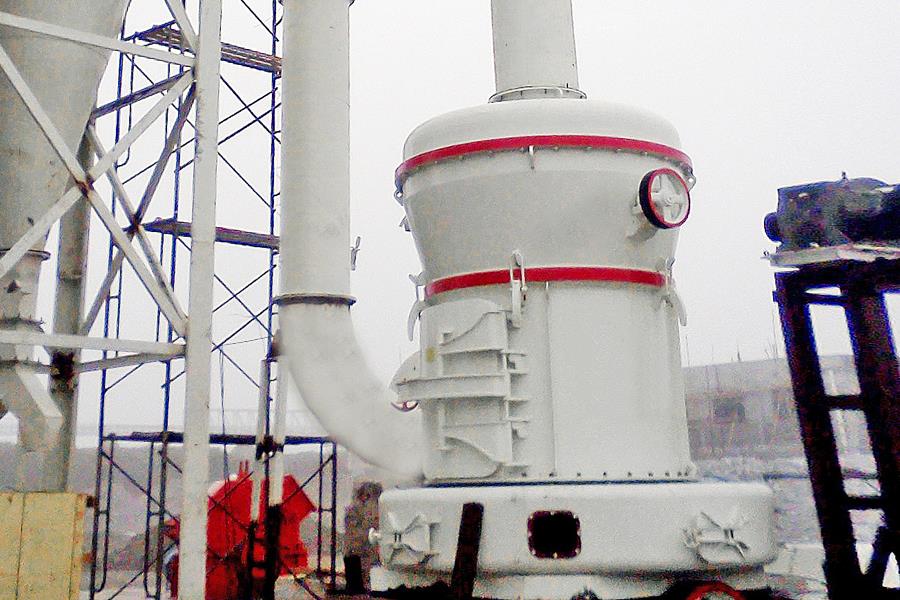
Energy saving tips for cone crusher for copper ore 220 tph in Chile
-