How to reduce liner wear in cone crusher for serpentinite 80 tph
Why serpentinite demands special attention for liner wear management
The Philippines is rich in serpentinite deposits, particularly in the Zambales Ophiolite Complex and the Surigao-Davao region, where this rock is increasingly quarried for construction aggregates, road base, and even as a source of magnesium for industrial applications. Serpentinite presents a unique challenge for cone crusher operators: it is moderately hard but highly abrasive, with a fibrous or flaky structure that can cause accelerated liner wear. For plant managers running a cone crusher at 80 tonnes per hour, the question of How to reduce liner wear in cone crusher for serpentinite 80 tph is not academic—it directly affects maintenance budgets, downtime, and cost per ton. Excessive liner wear leads to frequent replacements, reduced product consistency, and increased labour costs. OCP Mechanical Company, with over 40 years of direct manufacturing experience, offers cone crushers and wear solutions specifically designed for abrasive materials, along with field-proven strategies to extend liner life—all at factory-direct prices.
Selecting the optimal liner alloy for serpentinite
The foundation of any effective How to reduce liner wear in cone crusher for serpentinite 80 tph strategy is choosing the right liner material. Serpentinite's abrasive nature, combined with its tendency to contain quartz veins and other hard inclusions, demands a liner alloy that balances hardness and toughness. OCP recommends high-chromium manganese steel with 18-22% manganese and 2-3% chromium for this application. This alloy work-hardens under impact, achieving surface hardness up to 550 BHN while maintaining a tough core that resists cracking. In some cases, ceramic-reinforced composite liners may offer even longer life, though at a higher initial cost. OCP's engineering team can analyse your feed size distribution and ore abrasiveness index to recommend the optimal alloy for your specific serpentinite deposit. A well-matched liner typically lasts 600-900 hours in serpentinite applications, compared with 300-500 hours for standard alloys—effectively doubling service intervals. All technical data are for reference; latest specifications are available through our online support team.
Optimising crusher settings and feed conditions
Operational parameters significantly influence liner wear patterns. One of the most effective approaches in How to reduce liner wear in cone crusher for serpentinite 80 tph is maintaining a consistent choke-fed condition. A properly filled crushing chamber promotes inter-particle crushing, which reduces the direct impact of rock on the liners and distributes wear more evenly. The closed side setting (CSS) should be set to the largest acceptable size for your product specification; tighter settings increase crushing force and accelerate wear. OCP recommends a CSS of 16-22 mm for 80 tph serpentinite, balancing product quality with liner life. Feed size distribution is equally important—removing fines below 6 mm before the crusher reduces unnecessary load and prevents packing in the cavity. Installing a vibrating scalping screen ahead of the cone crusher can remove these fines, reducing liner wear by up to 15%. Additionally, avoiding over-feeding that causes the crusher to choke or stall is essential; choked conditions create uneven pressure on the liners, causing localised wear and premature failure. OCP's hydraulic setting adjustment system allows operators to maintain optimal CSS even as liners wear.
Implementing a structured liner rotation and monitoring programme
A systematic maintenance programme is central to How to reduce liner wear in cone crusher for serpentinite 80 tph. OCP recommends measuring liner thickness at multiple points around the crushing chamber at regular intervals—weekly for high-wear zones near the feed opening, and bi-weekly for lower zones. Recording these measurements in a log helps predict when liners will reach their wear limit, enabling scheduled replacements rather than reactive shutdowns. Rotating the mantle or concave segments (where the design allows) can extend overall liner life by ensuring more even wear. For larger operations, OCP offers a liner wear analysis service that uses 3D scanning to generate precise wear profiles, recommending the optimal replacement timing. Additionally, checking the crusher's power draw daily provides indirect feedback on liner condition—a gradual increase in amperage at the same CSS setting indicates wear. By combining these monitoring techniques, operators can typically extend liner life by 10-20% compared with ad-hoc management. All performance improvements are estimates; actual results depend on feed consistency and operating practices.
Operational best practices for Philippine conditions
The Philippines' tropical climate, with high humidity and frequent rain, adds another layer of complexity to How to reduce liner wear in cone crusher for serpentinite 80 tph. Moisture in the feed can cause material to pack against the liners, increasing wear rates and reducing efficiency. OCP recommends installing a dewatering screen or stockpile drainage system to reduce surface moisture before the feed enters the crusher. Regular inspection of the crusher's dust seal and lubrication system is essential—water ingress can contaminate oil, leading to bearing failure and unplanned downtime. During the rainy season, reducing feed rate slightly can prevent packing and maintain consistent liner wear patterns. OCP's cone crushers feature advanced dust seals and water-resistant bearing configurations designed for tropical conditions. Our remote monitoring system tracks oil temperature, pressure, and power draw, providing early warning of any developing issues. By combining good operational practices with well-maintained equipment, Philippine operators can achieve liner lives at the upper end of the projected range. Actual results may vary with feed moisture and operator diligence; OCP reserves the right to update technical recommendations.
Get your custom liner wear reduction plan and quote
Implementing an effective wear reduction strategy is one of the most cost-effective investments for any cone crusher operation. OCP Mechanical Company offers a free, site-specific consultation on How to reduce liner wear in cone crusher for serpentinite 80 tph, covering alloy selection, setting optimisation, and maintenance scheduling. Our 24-hour online customer service team is ready to answer your questions and provide technical guidance. To receive your personalised plan and equipment quote, simply click the chat button on our website or complete the enquiry form with your feed specifications and site conditions. Our engineers will respond within 24 hours with a detailed recommendation, including liner alloy options, projected wear life, and a price breakdown. All quoted figures and parameters are for reference and subject to final confirmation. OCP's 40-year track record ensures durable, high-performance cone crushers and expert support for the Philippines' most demanding serpentinite applications. Reach out today and start reducing your liner wear—and your operating costs.
-
Mobile crusher fuel consumption per hour for limestone 95 tph in Kenya
-
-
-
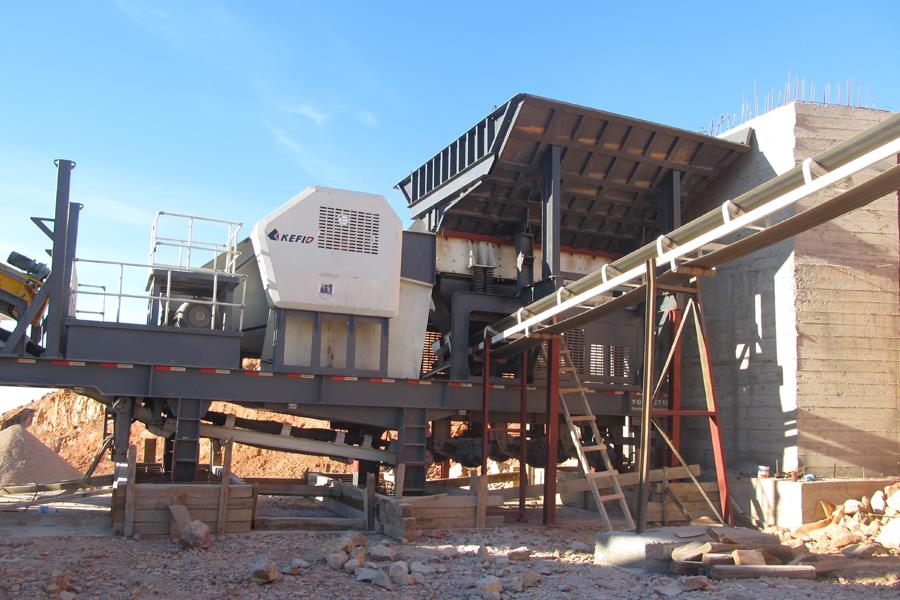
Case study of 170 tph andesite crushing line in Mindanao Philippines
-
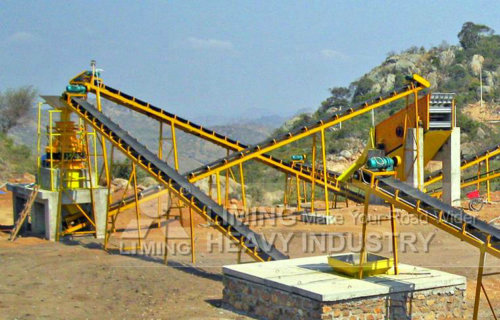
Feasibility of portable sand washing plant 45 tph for remote site in Mongolia