
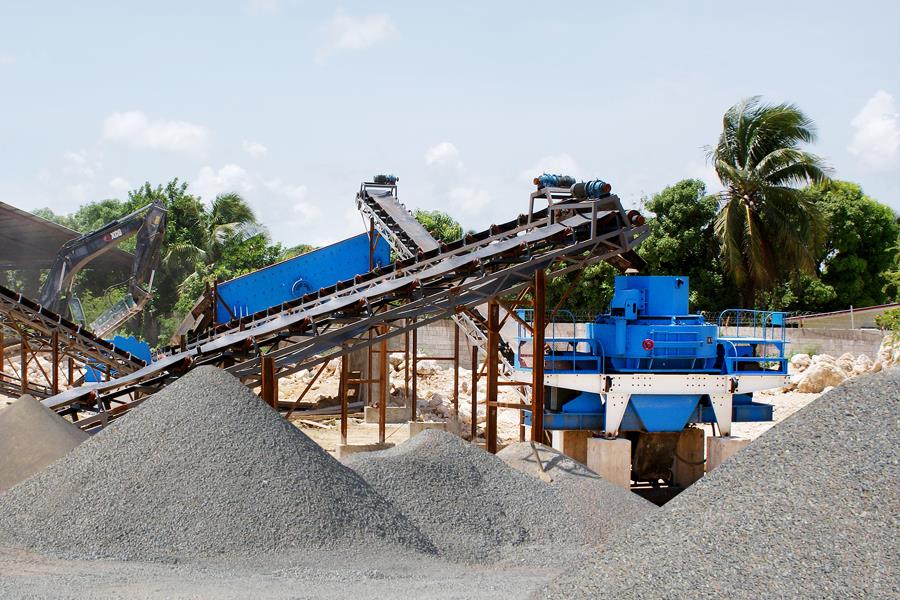
Jaw crusher flywheel balancing method for smooth operation
Why flywheel balance is essential for jaw crusher performance
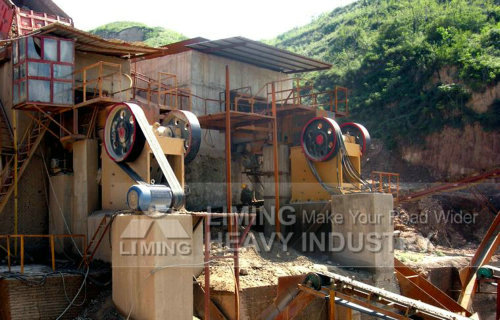
In any crushing operation—whether processing granite in a Brazilian quarry or recycling concrete in a German demolition site—the smooth operation of a jaw crusher is fundamental to productivity, safety, and equipment longevity. The flywheel plays a critical role in storing energy and maintaining momentum during the crushing stroke, but an unbalanced flywheel can introduce harmful vibrations that accelerate bearing wear, cause structural fatigue, and lead to unplanned downtime. Understanding the Jaw crusher flywheel balancing method for smooth operation is therefore a key maintenance competency for plant engineers and operators worldwide. OCP Mechanical Company, with over 40 years of direct manufacturing experience, designs jaw crushers with precision-engineered flywheels and offers comprehensive balancing guidance to help you maintain peak performance—all backed by our factory‑direct support and transparent pricing.
Recognising the signs of flywheel imbalance
Before applying any Jaw crusher flywheel balancing method for smooth operation, operators must first identify the symptoms of imbalance. Common indicators include excessive vibration felt through the crusher frame or foundation, uneven wear on bearings and toggle seats, unusual noise—particularly a rhythmic thumping or knocking—and fluctuating power draw during operation. In severe cases, foundation bolts may loosen prematurely, and cracks can develop in the flywheel hub or connecting rod. These signs often appear gradually, making regular vibration monitoring a valuable preventive tool. OCP recommends using a portable vibration analyser to measure amplitude and frequency at the flywheel bearings, establishing a baseline during normal operation. Any deviation of more than 15‑20% from baseline warrants a balancing check. All technical data are for reference; actual tolerances depend on crusher size and operating speed. Early detection not only simplifies the balancing process but also prevents secondary damage to other components.
The static and dynamic balancing methods
Two primary approaches exist within the Jaw crusher flywheel balancing method for smooth operation: static balancing and dynamic balancing. Static balancing is the simpler technique, suitable for crushers operating at lower speeds or where imbalance is relatively minor. It involves removing the flywheel, mounting it on a horizontal shaft with low‑friction bearings, and adding or removing weight until the flywheel remains stationary in any rotational position. This process corrects the centre of gravity but does not account for forces generated during rotation. For high‑speed jaw crushers (typically above 250 RPM), dynamic balancing is essential. This method uses a balancing machine that spins the flywheel at operating speed and measures both static and couple unbalance, then indicates where to add or remove material. OCP provides detailed dynamic balancing specifications for each flywheel model, including permissible residual unbalance values. For operations without access to a balancing machine, we offer a field‑based dynamic balancing service using portable equipment, delivering results comparable to workshop conditions. OCP reserves the right to update technical specifications and service offerings.
Step‑by‑step on‑site balancing procedure
For plant teams seeking a practical Jaw crusher flywheel balancing method for smooth operation, OCP recommends the following on‑site procedure. First, isolate the crusher from power and lock out all energy sources. Remove the drive belts and guard to expose the flywheel. Mark the flywheel's angular position relative to the crankshaft. Clean the flywheel surface thoroughly, removing any accumulated dust or debris that could affect balance. Using a vibration meter, run the crusher without load and record baseline vibration readings. Add temporary weights (using lead strips or bolt‑on masses) to the flywheel rim at a trial position, then re‑run and record new vibration levels. Move the trial weight to different positions, recording vibration at each. By plotting the results, you can calculate the required correction weight and its location. This "trial‑weight method" is highly effective and requires no special equipment beyond a vibration meter and precision scale. OCP's maintenance manual provides detailed worksheets to guide you through this process. Alternatively, we offer remote video support to assist your team during the procedure. All quoted service options are for reference; final arrangements depend on site accessibility and equipment model.
Operational benefits of maintaining flywheel balance
Consistently applying the Jaw crusher flywheel balancing method for smooth operation delivers tangible, long‑term advantages. A balanced flywheel reduces vibration levels by up to 80%, extending bearing life by 30‑50% and reducing unplanned downtime. It also minimises stress on the main frame and foundation, preventing fatigue cracks and costly structural repairs. Energy efficiency improves, as unbalanced flywheels cause parasitic power losses—correct balance typically reduces energy consumption by 2‑4% at the same throughput. Furthermore, balanced operation improves product consistency by maintaining a stable crushing stroke, reducing variation in product size. For operations in sensitive environments, lower vibration also translates to reduced noise emissions, supporting compliance with environmental regulations. OCP's customers in multiple industries report that regular balancing checks—performed annually or after any significant impact event—are among the most cost‑effective maintenance investments they make. Actual benefits vary with operating conditions and initial imbalance severity.
Get your balancing guidance and support from OCP
Maintaining flywheel balance is a straightforward but critical task that safeguards your jaw crusher investment. OCP Mechanical Company offers free consultation on the Jaw crusher flywheel balancing method for smooth operation, including vibration analysis, balancing procedure guidance, and access to our technical manuals. Our 24‑hour online customer service team is ready to provide advice, answer questions, and connect you with our balancing service network. To receive a personalised balancing guide or to discuss your specific crusher model, simply click the chat button on our website or complete the enquiry form. Our engineers will respond within 24 hours with recommendations, including balancing specifications, tool requirements, and optional remote support. All quoted figures and parameters are for reference and subject to final confirmation. OCP's 40‑year track record guarantees durable crushers and reliable technical guidance for operations worldwide. Reach out today and ensure your jaw crusher runs smoothly, efficiently, and cost‑effectively.
-

-
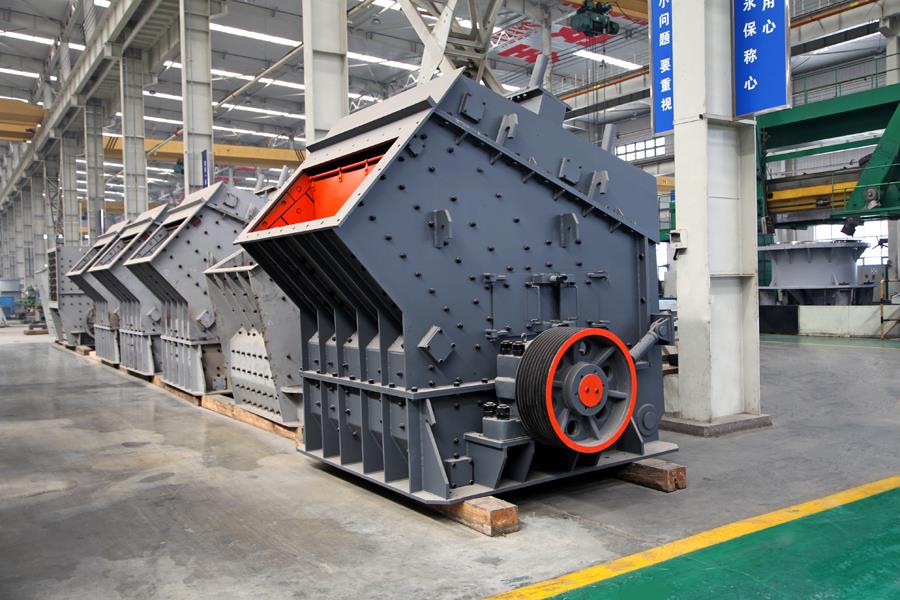
Troubleshooting checklist for vibrating screen for wet aggregate
-
Sand screw washer capacity calculation for dewatering 55 tph
-
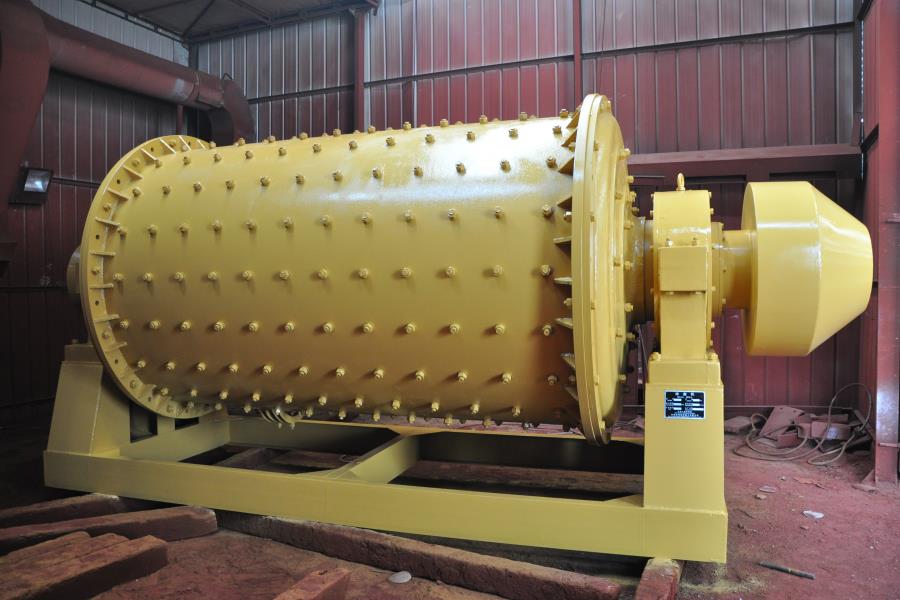
How to reduce liner wear in cone crusher for serpentinite 80 tph
-
Mobile crusher fuel consumption per hour for limestone 95 tph in Kenya