
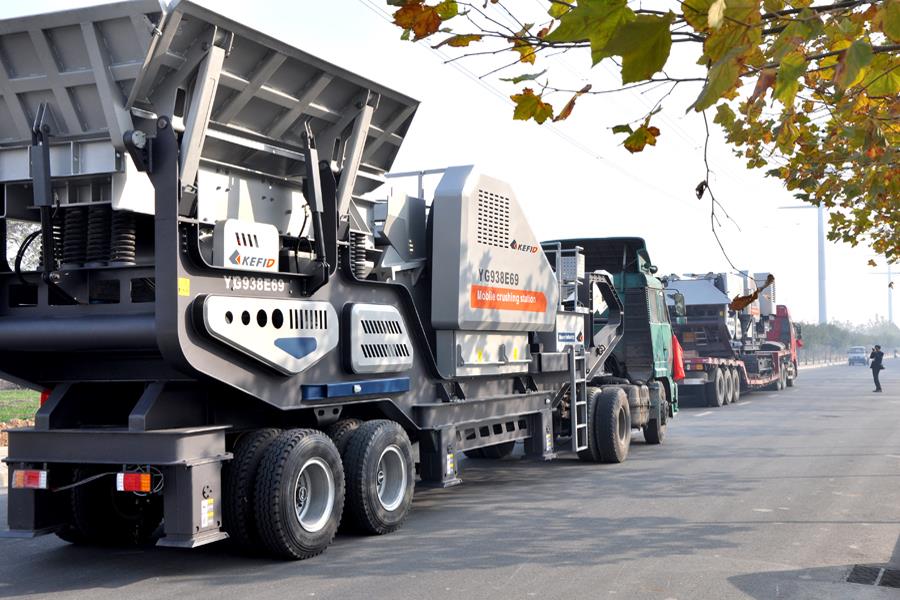
Differences Between Jaw Crushers and Hammer Crushers
Hammer crushers are primarily used for stone crushing in the building materials industry, highway and railway construction, and other industries utilizing crushed stone. This product is suitable for crushing medium-hard and softer materials such as limestone, gypsum, bricks, slag, coal gangue, salt, chalk, and similar substances. It can directly crush materials with a maximum size of 750-1500mm down to approximately 20mm. Jaw crushers are widely used in mining, construction materials, highways, railways, water conservancy, chemical, and other industries for coarse crushing of various minerals and rocks, effectively handling large-sized ores and bulk materials. So, when should you use a jaw crusher versus a hammer crusher? First, you need to understand these key differences!
1. Distinct Appearance and Working Principles
Those familiar with both devices can distinguish them visually, and their operating principles differ significantly. The jaw crusher employs compression crushing, forming a crushing chamber with two jaw plates—a moving jaw and a stationary jaw. It mimics the movement of an animal's jaws to break down materials, earning it the nickname “tiger's mouth.” The hammer crusher primarily relies on impact force for crushing. Upon startup, the motor drives the rotor to spin at high speed. Materials entering the hammer crusher chamber are broken down through the impact, shearing, tearing, mutual collision between particles, and counter-impact from the liner plates.
2. Different Materials Processed
Jaw crushers can handle a wide range of materials, both soft and hard, such as granite, quartzite, diabase, river pebbles, and iron ore. Hammer crushers are primarily used for crushing minerals with lower hardness, typically with compressive strengths below 200 MPa, including limestone, bluestone, and coal gangue. When crushing hard materials, hammer heads suffer severe wear. Replacing a set of hammers may cost thousands of yuan. For standard high-manganese steel hammers, replacement may be needed every 2-3 days, resulting in prohibitively high costs.
3. Different Output Adjustment Methods
Hammer crushers adjust output particle size by replacing the bottom screen plate. Jaw crushers offer multiple adjustment options: shim plate adjustment, wedge adjustment, and hydraulic cylinder adjustment.
4. Different Production Line Configurations
Typically, jaw crushers produce output with higher needle and flake content, necessitating a secondary impact crusher for shaping. Hence, jaw crusher + impact crusher configurations are common. Hammer crushers primarily serve as primary industrial crushers, achieving single-pass shaping without secondary crushing. Therefore, a single hammer crusher is often used in small to medium-sized production lines.
5. Different Applications in Aggregate Production Lines
Hammer crushers are rarely used in aggregate production lines. Although the process is simple, they have low yield rates, prone to over-crushing, and produce excessive powdery material. Additionally, the finished aggregate may develop micro-cracks, resulting in low compressive strength. This compromises aggregate quality and negatively impacts sales and pricing, making hammer crushers typically used as auxiliary sand-making equipment. Jaw crushers are commonly employed as primary crushers in aggregate production lines, followed by impact crushers or cone crushers for secondary crushing. A sand maker is then added for fine crushing and shaping.
(Technical parameters and other data mentioned herein may be updated with product upgrades. Click the website customer service to obtain the latest equipment parameter sheet.)
Hammer crushers and jaw crushers feature high crushing ratios, simple structures, and high throughput, making them the most common primary crushing equipment in the mining industry. The former relies on impact force to crush materials, producing more uniform particle shapes with lower needle and flake content. Its limitations include unsuitability for hard rock crushing and rapid hammer wear. Jaw crushers handle materials of various hardness levels but yield less ideal particle shapes, necessitating secondary crushers (cone crushers or impact crushers) for subsequent processing. For applications requiring high-precision particle sizes, sand makers are also needed to perform fine crushing and reshaping. Notably, hammer crushers combine crushing and shaping functions when processing soft rocks like limestone and bluestone, effectively achieving the output of two stages in one pass. Therefore, when selecting between these crushers, choose based on your specific requirements to ensure optimal performance and value! For further information on crushers, feel free to leave a message or contact our online customer service immediately!
-
-
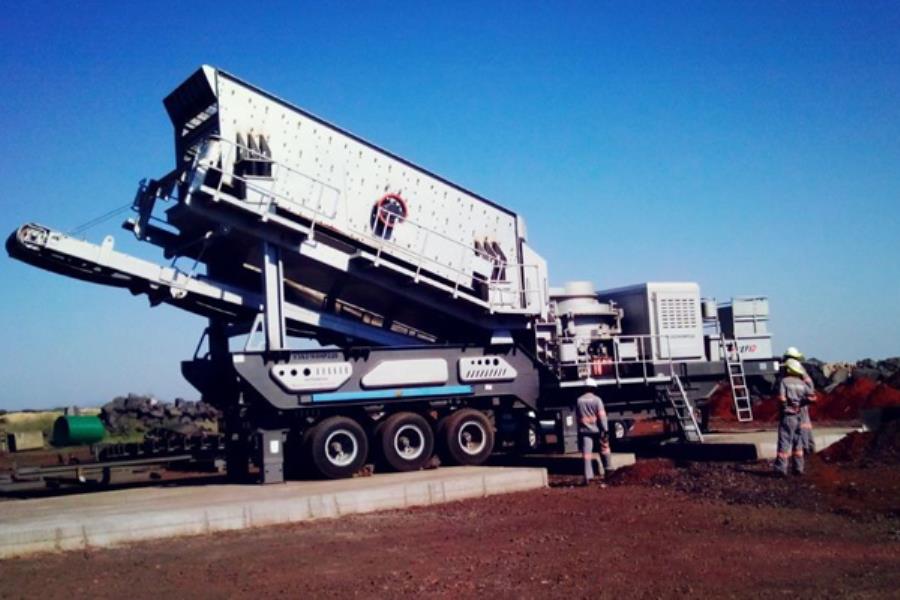
Where can I buy a reliable hammer crusher? How much does one cost?
-
-
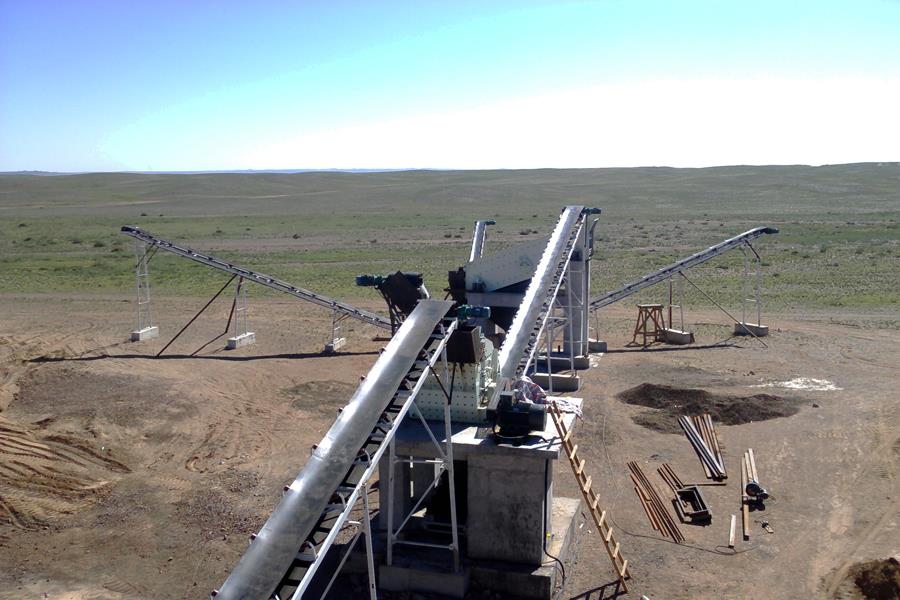
What are the equipment configurations and crushing processes for steel slag recycling
-
Performance Characteristics and Maintenance Methods of Impact Crushers