
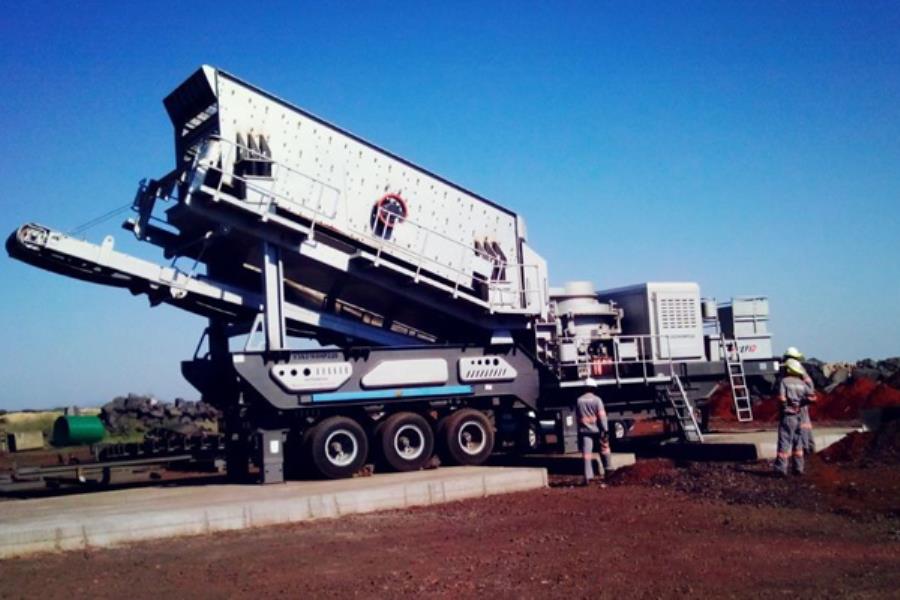
Where can I buy a reliable hammer crusher? How much does one cost?
A hammer crusher is a device that crushes materials through impact, available in single-rotor and double-rotor configurations. It serves as a primary crusher, directly reducing materials with a maximum particle size of 600-1800 mm to 25 mm or smaller. It is relatively widely used in sand and gravel crushing production lines. This hammer crusher is primarily suited for medium and fine crushing of medium-hard materials in industries such as cement, chemicals, power generation, and metallurgy. Another key feature is its adjustable screen gap, allowing users to modify the output particle size to meet diverse requirements.
Why is the hammer crusher so widely adopted? The answer lies in its performance advantages. Its widespread adoption is intrinsically linked to its inherent performance. Visually, the hammer crusher features an aesthetically pleasing overall design with a compact structure and simplified operation. Its manufacturing process employs superior craftsmanship and premium materials. Components like hammer heads and liners are crafted from wear-resistant materials, ensuring extended service life and significantly reducing equipment failure rates. The crusher features an enhanced crushing chamber with a larger feed opening and increased hammer impact force. Consequently, it offers high feed particle size capacity, a large crushing ratio, and high production efficiency. These characteristics make it exceptionally well-suited for high-volume large-scale projects while aligning with modern intensive production methods. Operationally, the hammer crusher can be adjusted to meet specific output particle size requirements, delivering excellent results. Its finished products exhibit superior particle shape with low needle and flake content, meeting high-quality sand specifications and generating substantial profits for users.
Suitable for crushing medium-to-low hardness materials with low abrasiveness—such as limestone, coal, salt, chalk, gypsum, alum, bricks, tiles, and coal gangue—hammer crushers handle materials with compressive strengths below 150 MPa. They also impose moisture content restrictions, typically operating on materials with less than 15% moisture, including common materials like limestone, bluestone, and coal gangue. Consequently, its applications are concentrated in related material processing sectors, such as bluestone production lines and aggregate production lines in cement plants. It is also utilized in power generation, building materials, and highway construction industries. To meet diverse user requirements, hammer crushers can be flexibly adjusted, offering greater convenience in operation and use. This enables them to stand out among similar products and achieve widespread adoption. However, hammer crushers currently face limitations in application. They are only suitable for crushing medium to low-hardness materials and perform poorly with harder substances. To achieve better development, continuous improvements and innovations in the equipment are necessary, enabling it to better serve users.
Having introduced the hammer crusher, we now turn to its pricing. Market prices for hammer crushers are influenced by multiple factors, including manufacturer, specifications, quality, region, and market demand. Different manufacturers offer varying product performance and quality, resulting in price differences. For specific pricing details, it is advisable to consult individual manufacturers directly. However, we strongly recommend purchasing from reputable manufacturers to avoid financial loss.
(Technical parameters and data mentioned herein may be updated with product upgrades. Click website customer service for the latest equipment specifications.)
With over 40 years in crusher manufacturing, OCP Heavy Industry stands as a reputable brand among mining crusher manufacturers. Such manufacturers offer two key advantages: Second, such manufacturers demonstrate strong market responsiveness, staying abreast of industry trends. They promptly adapt both equipment configurations and technological improvements for mining crushers, ensuring their products maintain cutting-edge technology and superior quality—thus safeguarding user interests. Click website customer service for immediate free consultation.
-
-
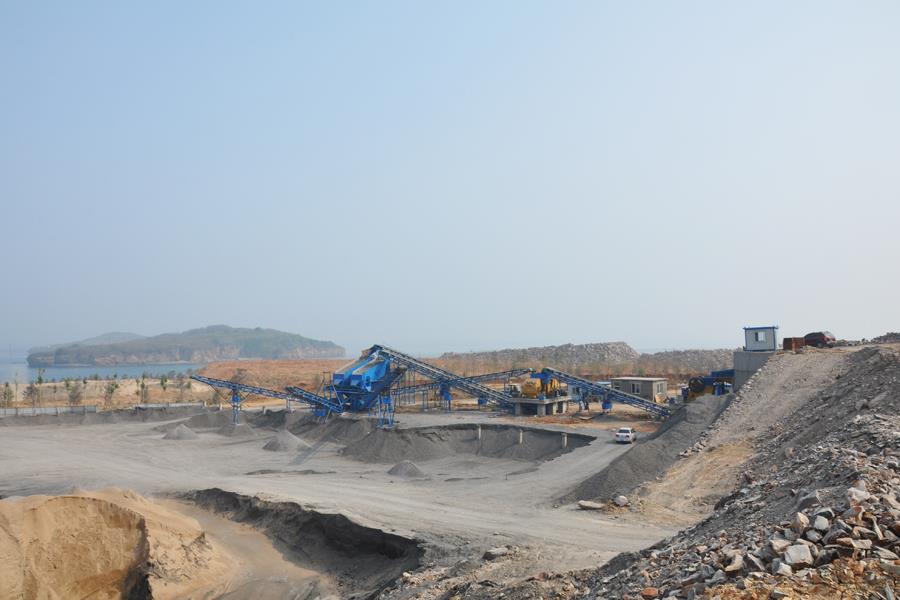
What are the equipment configurations and crushing processes for steel slag recycling
-
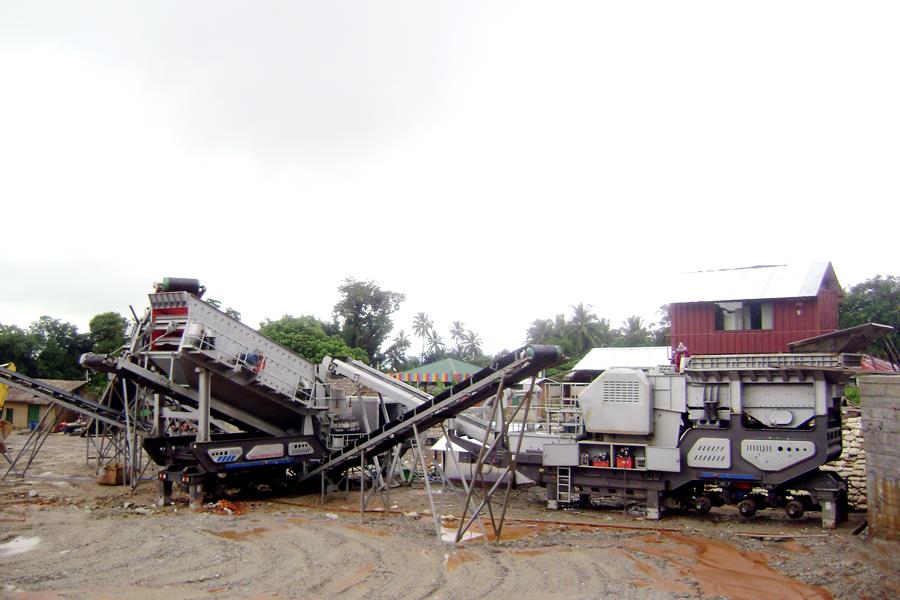
Performance Characteristics and Maintenance Methods of Impact Crushers
-
-
Requirements for Raw Materials in Manufactured Sand Production