Performance Characteristics and Maintenance Methods of Impact Crushers
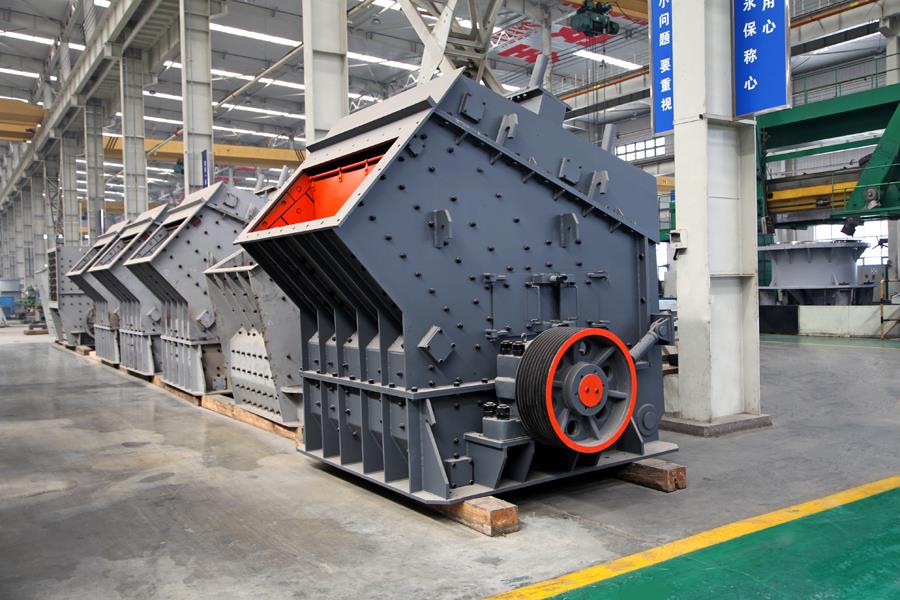
Impact crushers exhibit relatively broad material adaptability and can be applied for secondary or tertiary crushing in actual production. They feature high crushing capacity, with a typical crushing ratio of 40 and a maximum ratio reaching 150. Their wide applicability and high crushing ratio make them versatile. Selecting the appropriate impact crusher can reduce equipment investment, simplify the crushing process, and increase crushing output.
The structure of impact crushers is relatively simple, resulting in lower energy consumption and power requirements during the crushing process. Operating on the principle of impact crushing, materials undergo repeated crushing within the crushing chamber to achieve the desired particle size. Consequently, impact crushers feature a large crushing chamber, providing ample space for material movement and enabling more effective crushing. Due to their high crushing ratio and the ability to control particle size by adjusting the impact plate, they offer unique advantages in producing uniform product particle sizes.
Impact crushers are typically equipped with discharge gap adjustment mechanisms. During operation, this mechanism alters the number of material impacts, thereby modifying the final particle size. To meet specific material size requirements, the gap between the impact plate and hammers can be adjusted to produce different particle sizes. This flexibility reduces equipment investment costs in practical production scenarios.
In summary, impact crushers offer advantages such as reduced equipment investment, simplified crushing processes, lower energy consumption, increased processing capacity, and enhanced equipment efficiency, making them well-suited for diverse practical crushing applications.
However, effective maintenance is essential during actual operation to maximize equipment efficiency and performance.
Maintenance Guidelines for Impact Crushers:
1. If abnormal noises occur during operation, immediately shut down the equipment for inspection to prevent component detachment causing permanent damage.
2. When bearing temperatures exceed safe limits, also shut down for inspection. For specialized issues, await professional after-sales maintenance personnel for repairs.
3. Critical components require timely replacement during operation. Typically, all lubricants should be cleaned or replaced every three months.
Thus, the advantages of utilizing impact mobile crushing stations are best realized through diligent maintenance and timely servicing.
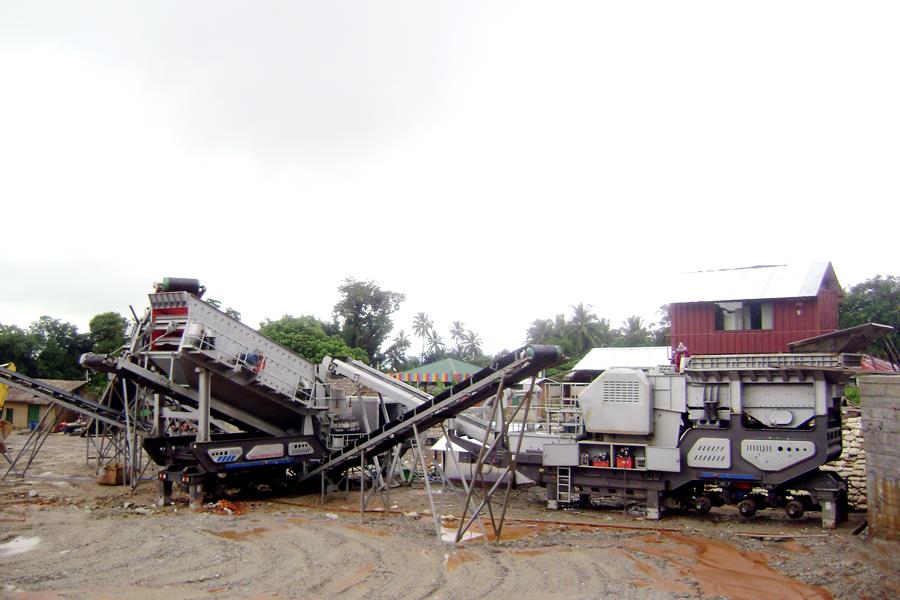
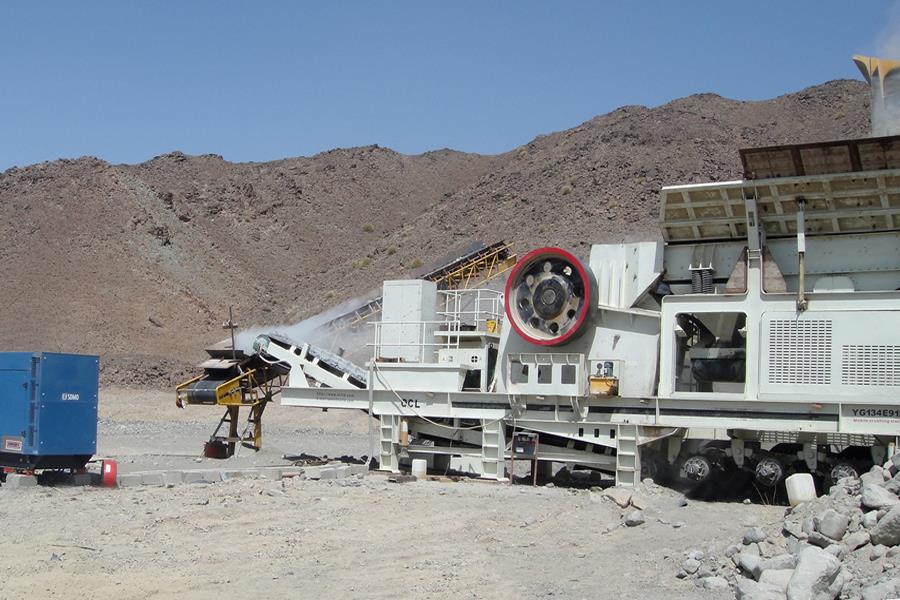
The impact crusher mounted on OCP Heavy Industry's mobile crushing platform is specifically engineered for mobile applications. Featuring unique European impact crusher technology, it incorporates a large feed opening, delivers higher output per unit weight, and boasts a robust structure. Hydraulic cylinders enable automatic discharge opening adjustment for user-friendly operation. This crusher can function as either a primary or secondary crusher. It not only accommodates diverse customer requirements for discharge specifications but also meets demands for reduced input costs and equipment investment.
OCP Heavy Industry is a professional R&D manufacturer of tracked mobile crushing and screening equipment with over 40 years of experience. Its product portfolio encompasses tracked impact mobile crushing plants, tracked jaw mobile crushing plants, tracked cone mobile crushing plants, tracked mobile screening plants, tracked sand makers, and over 30 other specification series. We provide customers with complete mobile crushing and screening solutions. Click the website chatbot for a free consultation now.
-
-
Requirements for Raw Materials in Manufactured Sand Production
-
How to Build a Mechanically Produced Sand Production Line Meeting Green Mine Standards
-
Environmental Protection in Mechanized Sand Production Lines
-