
What are the equipment configurations and crushing processes for steel slag recycling
Steel slag is a byproduct of steelmaking. It consists of various oxides formed by the oxidation of impurities such as silicon, manganese, phosphorus, and sulfur in pig iron during smelting, along with salts generated by the reaction of these oxides with flux agents. Steel slag contains multiple useful components: 2%–8% metallic iron, 40%–60% calcium oxide, 3%–10% magnesium oxide, and 1%–8% manganese oxide. Consequently, it can serve as raw material for iron and steel metallurgy. Its applications vary depending on composition. Steel slag finds applications in metallurgical raw materials, road construction, new building materials engineering, microcrystalline glass production, environmental engineering, agriculture, and more. It can also be used to manufacture no-burn bricks, foundry sand, cement expansive agents, and fluidized sand hardeners.
Steel is the lifeblood of industry, a material in high demand throughout industrial development. As the core material within steel resources, it plays a crucial role in this process. Steel slag is an industrial waste product generated after the full utilization of steel metal. It is classified as industrial waste. Due to limited technological capabilities in the past, this material was discarded. However, with increasing human understanding of its properties, it has found broader applications. After crushing and processing, it is widely used in machinery, metallurgy, industry, and chemical engineering, often achieving high user satisfaction with the processing results. Below, we focus on introducing the hardware configuration and process flow for steel slag crushing.
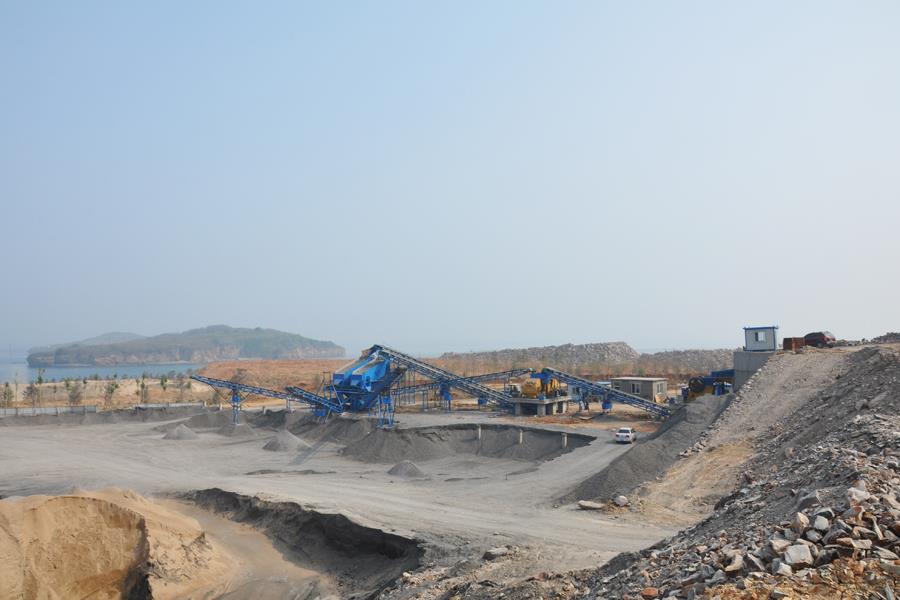
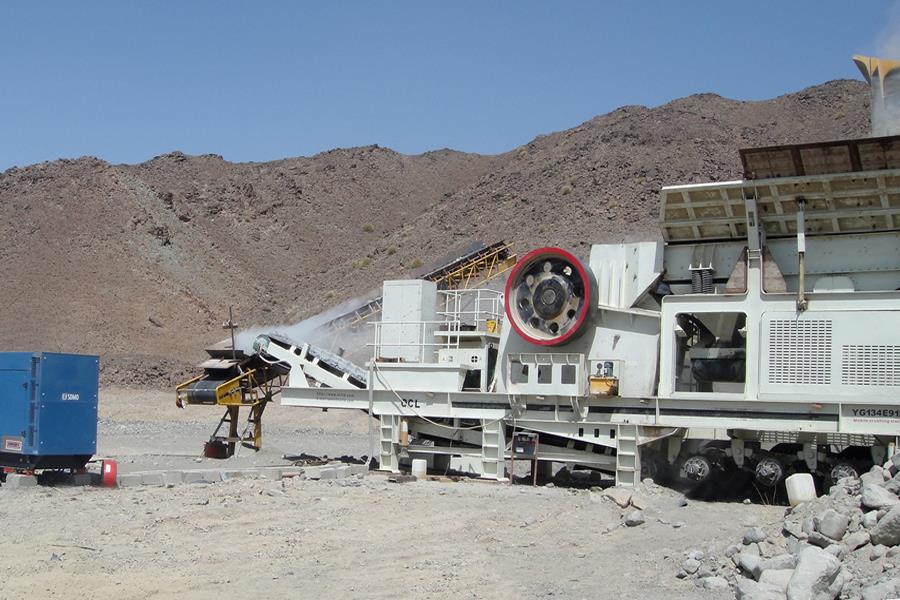
The primary equipment required for steel slag crushing production includes steel slag vibrating feeders, jaw crushers, hydraulic cone crushers, specialized steel slag autogenous mills, high-efficiency energy-saving rod mills, high-efficiency energy-saving ball mills, and Y-series steel slag vibrating screens. Below are the equipment configurations for dry-process and wet-process comprehensive steel slag recycling.
Steel slag crushing process flow: First, inspect the feeder for any debris or foreign objects and ensure thorough cleaning to prevent contamination of the material. Then, transport the raw steel slag through preliminary screening to the vibrating feeder, completing the preparatory work. Next, activate the equipment. Material from the feeder is conveyed by the vibrating feeder to the jaw crusher for primary crushing, then proceeds to the cone crusher for secondary crushing. This achieves finer particle size, enhancing user satisfaction. For separating slag from steel or processing finer particles, self-grinding mills, rod mills, or ball mills are required. Finally, the processed material from the crushing equipment enters a vibrating screen for effective sorting, concluding the entire production and processing workflow. It is crucial to emphasize that the vibrating screen must be appropriately configured based on the impurity content of the material to achieve maximum efficiency with minimal effort.
Steel slag is an unavoidable byproduct of steel production. Its rational utilization plays a vital role in environmental protection, economic benefit enhancement, and sustainable resource development, holding significant social importance. The steel slag crushing process boasts high production efficiency, seamlessly transforming raw slag into finished products. The processed slag exhibits optimal gradation, meets reuse standards, and demonstrates excellent environmental performance. The well-coordinated equipment significantly reduces maintenance costs.
Feel free to click for online consultation anytime. Our technical managers will provide detailed specifications tailored to your needs, assist with scientific equipment selection, and introduce related products. We also cordially invite you to visit our factory for an on-site inspection.
-
Performance Characteristics and Maintenance Methods of Impact Crushers
-
-
Requirements for Raw Materials in Manufactured Sand Production
-
How to Build a Mechanically Produced Sand Production Line Meeting Green Mine Standards
-
Environmental Protection in Mechanized Sand Production Lines