
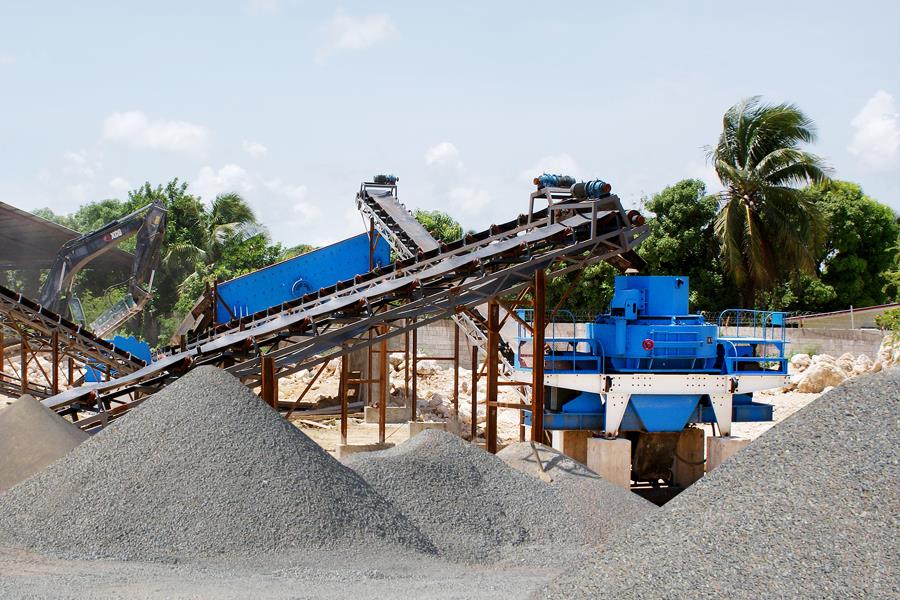
Crusher plant noise reduction for urban quarry 70 tph in Tokyo Japan
Why crusher plant noise reduction for urban quarry 70 tph in Tokyo Japan is a critical priority for operators
Tokyo is one of the most densely populated metropolitan areas in the world, with residential and commercial developments often located within close proximity to industrial sites. For quarry operators supplying aggregates to Tokyo’s ongoing infrastructure projects, the challenge is clear: maintaining high production while meeting Japan’s stringent environmental noise regulations. The Japanese government has established legally binding noise limits for construction sites and quarrying operations, with the Ministry of the Environment setting maximum permissible noise levels for specific zones and times of day. Under the Noise Regulation Law, daytime limits in residential and commercial areas commonly range between 55 and 70 decibels at the property boundary. Exceeding these limits can result in fines, operational restrictions, and reputational damage. For an operation running at 70 tonnes per hour in an urban setting, achieving meaningful crusher plant noise reduction for urban quarry 70 tph in Tokyo Japan is not just an environmental consideration – it is a business necessity. At OCP Mechanical Company, with over 40 years of manufacturing experience, we engineer crushing solutions that help operators meet these requirements while maintaining reliable productivity.
Understanding the sources of noise in a 70 TPH crusher plant
To implement effective crusher plant noise reduction for urban quarry 70 tph in Tokyo Japan, operators must first understand where noise originates. In a typical crushing circuit, the primary sources of noise include the jaw crusher itself, the vibrating feeder, the discharge conveyor transfer points, and the screening station. The crusher generates noise through mechanical impact, material compression, and the vibration of its frame and components. Feeders and screens contribute through material agitation and the movement of their drive systems. In an urban quarry setting, where sound travels easily across open areas and reflects off surrounding buildings, even moderate noise levels can become a community concern. A comprehensive noise reduction strategy must therefore address each of these sources systematically. By identifying the dominant noise contributors and applying targeted mitigation measures, operators can achieve significant reductions without sacrificing throughput. This is the foundation of any successful crusher plant noise reduction for urban quarry 70 tph in Tokyo Japan.
Enclosure and acoustic barriers – containing noise at the source
One of the most effective methods for crusher plant noise reduction for urban quarry 70 tph in Tokyo Japan is the use of acoustic enclosures and barriers. Enclosing the crusher and associated equipment in a purpose-built structure lined with sound-absorbing materials can reduce noise emissions by 15 to 25 decibels, depending on the design and materials used. These enclosures also help contain dust, providing a dual benefit for urban operations. For operations with limited space, modular acoustic panels can be installed around the crusher and feeder, while acoustic curtains can be used at transfer points to absorb sound without restricting access for maintenance. At OCP Mechanical, we offer custom-designed enclosure solutions that integrate with our equipment, ensuring that noise reduction measures do not compromise operational efficiency. When you implement crusher plant noise reduction for urban quarry 70 tph in Tokyo Japan with properly designed enclosures, you protect your workforce, your neighbours, and your license to operate.
Vibration isolation and foundation design
Mechanical vibration is a major contributor to noise, as it transmits through the crusher frame and into the ground and surrounding structures. Effective crusher plant noise reduction for urban quarry 70 tph in Tokyo Japan requires careful attention to vibration isolation. Mounting the crusher, feeder, and screens on resilient spring or rubber isolators can significantly reduce the transmission of vibration to the foundation and surrounding soil. Additionally, the foundation itself should be designed with sufficient mass to absorb vibration, and it should be isolated from adjacent structures using expansion joints or buffer zones. In Tokyo, where land is at a premium and quarry sites may be close to other industrial or residential buildings, these measures are particularly important. Our engineering team can provide foundation design recommendations and isolation system specifications tailored to your site conditions, ensuring that your crusher plant noise reduction for urban quarry 70 tph in Tokyo Japan is effective and sustainable.
Low-noise equipment and wear part selection
The choice of equipment and wear parts also plays a role in crusher plant noise reduction for urban quarry 70 tph in Tokyo Japan. Crushers with hydraulic adjustment systems tend to operate more quietly than those with mechanical or manual adjustment, as they reduce the impact forces associated with setting changes. Similarly, using manganese steel jaw plates with an optimised tooth profile can reduce the noise generated during the crushing process by promoting smoother material flow and reducing slippage. At OCP Mechanical, our Type J jaw crusher is designed with these considerations in mind, featuring a heavy-duty frame that dampens vibration and a hydraulic CSS adjustment system that minimises unnecessary noise. All product specifications, including capacity and noise performance data, are continuously updated; for the latest parameters, please consult our online customer service. By selecting equipment that is inherently quieter and maintaining it with high-quality wear parts, operators can achieve measurable noise reductions without the need for extensive retrofitting.
Operational practices for noise management
Beyond engineering controls, operational practices can contribute to crusher plant noise reduction for urban quarry 70 tph in Tokyo Japan. Scheduling the most noise-intensive activities during permitted daytime hours is a straightforward but effective measure. Maintaining a consistent feed rate also helps, as surging and uneven feed can cause the crusher to work harder and generate more noise. Regular maintenance of wear parts and lubrication systems ensures that the crusher operates smoothly, reducing the likelihood of excessive vibration or mechanical noise. Operator training is another valuable tool; well-trained operators can identify early signs of wear or imbalance that might lead to increased noise and address them before they escalate. These operational measures, while simple, can make a meaningful difference in the overall noise profile of the operation. When combined with engineering controls, they form a comprehensive approach to crusher plant noise reduction for urban quarry 70 tph in Tokyo Japan.
The importance of compliance and community relations
In Tokyo, where community expectations are high and regulatory enforcement is rigorous, effective crusher plant noise reduction for urban quarry 70 tph in Tokyo Japan is essential for maintaining a social license to operate. The Tokyo Metropolitan Government has established specific noise limits for industrial and construction activities, and operators are expected to demonstrate compliance through regular monitoring and reporting. Failure to meet these standards can result in fines, cessation orders, and damage to the company's reputation. Conversely, operators who invest in noise reduction demonstrate their commitment to being good neighbours and responsible corporate citizens. This can strengthen relationships with local authorities and communities, facilitating smoother permitting and expansion processes. At OCP Mechanical, we understand the importance of these considerations and we design our equipment to help operators meet the highest environmental standards. Our solutions are widely used in urban quarrying applications around the world, and we bring that experience to every project.
Sample parameter table for Type J crusher (For reference only)
| Parameter | Value (approximate) |
|---|---|
| Model | Type J |
| Capacity | 65-80 TPH * |
| Feed opening | 30" x 42" (760 x 1,070 mm) |
| Motor power | 100-125 HP (75-93 kW) |
| Weight | 45,000-50,000 lbs (20,400-22,700 kg) |
| Acoustic enclosure option | Available |
All specifications, including capacity and noise data, are continuously updated. For the latest parameters, please consult our online customer service. Prices are for reference only and are subject to change based on configuration and market conditions.
Why OCP Mechanical is your partner for urban quarry solutions in Japan
With over 40 years of manufacturing experience, OCP Mechanical combines engineering excellence with a deep understanding of the challenges faced by urban quarry operators. We are a factory-direct supplier, meaning you avoid the markups charged by dealers and intermediaries. Our Type J jaw crusher and associated plant components are built with high-quality materials and are designed for easy maintenance, reducing downtime and operating costs. We provide comprehensive after-sales support, including spare parts availability, technical assistance, and on-site training. Our team is familiar with the specific requirements of the Japanese market and can help you navigate the regulatory landscape while achieving your production targets. We are committed to helping you achieve crusher plant noise reduction for urban quarry 70 tph in Tokyo Japan that is effective, cost-efficient, and sustainable.
Conclusion – Take the next step toward quieter, compliant production
Achieving meaningful crusher plant noise reduction for urban quarry 70 tph in Tokyo Japan is a challenge, but it is one that can be met with the right combination of engineering, equipment, and operational practices. From acoustic enclosures and vibration isolation to low-noise equipment and careful scheduling, there are proven strategies available to help you reduce your noise footprint while maintaining productivity. OCP Mechanical is ready to support you with factory-direct solutions, expert guidance, and responsive after-sales service. Our online customer service team is available 24/7 to provide free consultation, technical data, and a customised quotation for your project. Prices and specifications are for reference only and are subject to change based on your specific requirements and market conditions. Actual results may vary depending on material characteristics, operating conditions, and maintenance practices. OCP Mechanical reserves the right to update technical data and pricing without prior notice. Click the chat button now and let us help you build a quieter, more compliant, and more profitable operation in Tokyo.
-
How to choose wear materials for impact crusher for high silica granite
-
Cost comparison of hydraulic vs spring cone crusher for iron ore 200 tph
-
-
-
Troubleshooting checklist for vibrating screen for wet aggregate



