
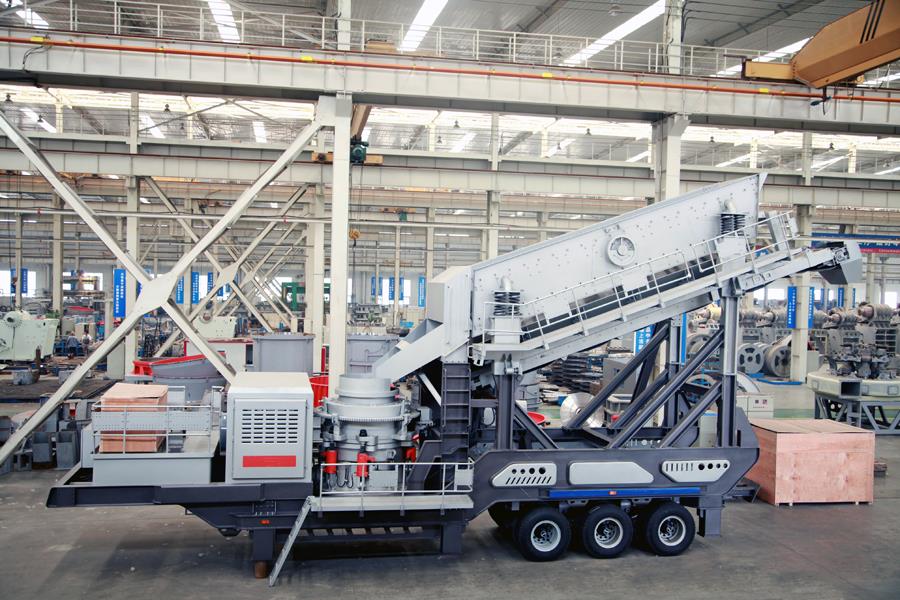
Common Faults and Solutions for Vertical Composite Crushers
Vertical composite crushers, also known as vertical composite sand-making machines, offer dual functions of fine crushing and coarse grinding, and are cost-effective, making them the top choice for many small and medium-sized stone quarries. During operation, composite crushers may encounter minor issues. If not addressed promptly, these issues can impact the equipment's operational efficiency and service life. Based on years of practical experience, engineers from OCP Heavy Industry have summarised several common issues and their solutions for composite crushers, providing valuable insights for users.
Issue 1: Abnormal Noise from the Equipment
If abnormal noises are detected inside the crushing chamber during operation of the vertical composite crusher, immediately shut down the machine and turn off the power supply. First, clean the crushing chamber; second, check if any non-crushable materials have entered the chamber and take precautions during future feeding; third, inspect the tightness of the liners and ensure the gap between the hammers and liners is within the reasonable range; finally, verify if the wear-resistant liners have come loose.
Fault 2: Excessively large output particle size
The vertical composite crusher is a fine crushing machine. If the output particle size exceeds the set range, adjust the gap between the front and rear impact frames, or replace worn liners and hammer plates to adjust the output. Alternatively, adjust the position of the impact frames to ensure the output particle size meets specifications.
Fault 3: Hammer failure
The vertical composite crusher achieves crushing through a series of impact, collision, and compression forces between the hammers, liners, and material. Therefore, hammer failure is inevitable, and efforts should be made to extend their service life as much as possible. When feeding material into the composite crusher, avoid introducing metal hard objects or other contaminants; secondly, use wear-resistant materials such as high-carbon manganese alloy cast steel for hammer head material to enhance wear resistance from the source; additionally, the rotational speed and power of the rotor also affect hammer head lifespan, as they influence the degree of hammer head impact hardening. A higher degree of impact hardening extends the hammer head's service life.
Fault Four: Bearing Issues
Vertical composite crushers operate under harsh conditions characterised by high impact loads, significant vibration, high rotational speeds, and high dust levels, which exacerbate bearing wear on the rotor. Bearing damage is primarily caused by imbalance in the rotor or bearing installation. Therefore, proper balancing must be ensured during rotor installation. Bearings with strong load-bearing capacity and good self-aligning performance should be selected for the rotor. When calculating the bearing's service life, a range of 5,000 to 10,000 hours is recommended. Additionally, if the bearings overheat, lubricating grease should be added in appropriate amounts. According to standards, lubricating grease should fill 50% of the bearing housing volume, and the cleanliness of the lubricating grease should also be ensured.
In summary, any equipment may encounter various issues during prolonged use. Besides addressing problems promptly upon discovery, regular maintenance and upkeep of the equipment are also crucial. For more details, please click on the website customer service for 24/7 online support.
-
-
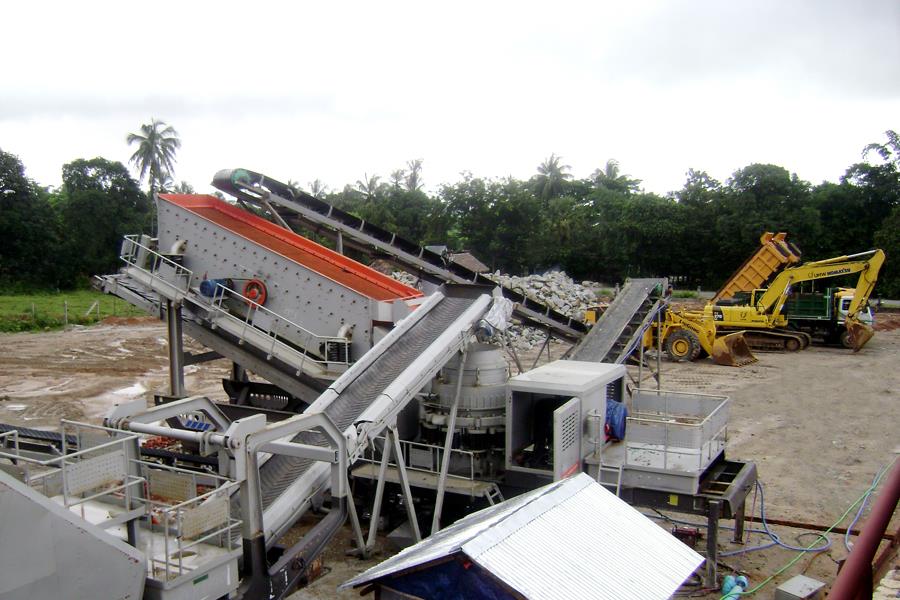
What should be done if contaminants enter the oil of a cone crusher
-
-

Solutions for Abnormal Vibration of the Cone Crusher Housing
-