
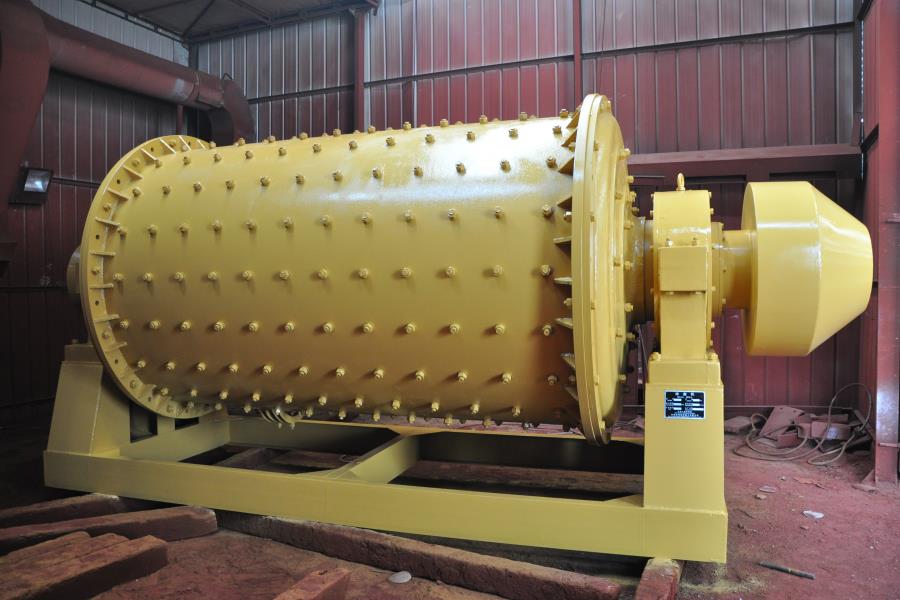
160 TPH Andesite Mobile Crushing Plant for Sale in Surabaya Indonesia
Surabaya Is Building, and It Needs Andesite
Surabaya is in the middle of a road-building push that will not slow down soon. The city has lined up seven urban infrastructure projects for 2026–2027 with a total funding requirement of around Rp 3.16 trillion, and PT Sarana Multi Infrastruktur has already committed Rp 885.85 billion to two of them: the West Outer Ring Road (JLLB) and the widening of the Wiyung–Menganti corridor. Capital spending is projected to jump 40.81% from 2025 to 2026, with the financing expected to contribute Rp 9.1 trillion to East Java‘s regional GDP. Road base, concrete, and asphalt all need crushed andesite. The question for a quarry operator or contractor in the Surabaya area is not whether demand exists. It is how to supply that demand without losing margin to haulage, diesel, and downtime.
What 160 TPH Means for a Mobile Plant in East Java
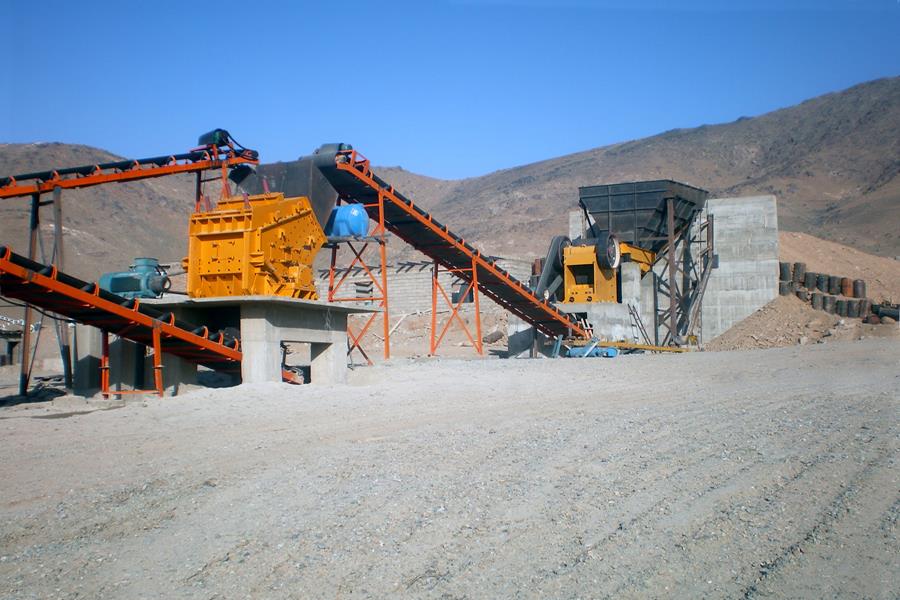
A 160 TPH mobile crushing plant is not the biggest machine on the market, and that is precisely its appeal in East Java. It is large enough to feed a ready-mix concrete batching plant or supply a toll road sub-base contract, yet compact enough to move between sites without a special permit. Indonesia’s tracked mobile crushing segment holds the major share of the mobile equipment market, and the reason is practical: tracked units can be driven onto a quarry floor or a demolition site, set up on compacted ground, and start producing without poured foundations. In a region where road projects are spread across Surabaya, Sidoarjo, and Gresik, that mobility is worth more than a marginal increase in capacity.
Andesite: Hard Enough to Matter, Not Impossible to Crush
Andesite sits in the middle of the hardness range for construction aggregate — hard enough to make good concrete, abrasive enough to punish poorly specified equipment. A mobile plant for andesite normally runs a two-stage circuit: a jaw crusher for primary reduction, followed by a cone crusher for secondary crushing and shaping. Impact crushers can work on andesite, but blow bar consumption tends to run higher than on limestone, and in a 160 TPH operation that shows up in the monthly parts bill. Cone crushers handle andesite more economically because they crush by compression, and the wear parts — mantle and concave liners — are simpler to manage and replace.
What a 160 TPH Mobile Plant Actually Costs in Surabaya
Pricing for mobile crushing plants in Indonesia varies widely with configuration, chassis type, and automation level. A complete 100 TPH mobile setup typically falls between USD 150,000 and USD 450,000, depending on the drive system and specifications. For a 160 TPH plant with a jaw and cone on a tracked chassis, the investment generally sits in the USD 250,000 to USD 550,000 range. Entry-level wheel-mounted units start lower, but they trade some of the stability and off-road capability that a tracked unit provides on uneven quarry floors. These are equipment-only figures. Freight to Tanjung Perak, inland transport to site, installation, and an initial stock of wear parts add a further layer that should be budgeted before the purchase order is signed.
The Cost That Does Not Appear on the Invoice
Haulage is the silent cost in aggregate production. Every kilometre a truck travels between the quarry and the plant is a kilometre that does not generate revenue. A mobile plant removes that cost by sitting where the material is. For a Surabaya operation feeding a toll road project in Sidoarjo or a batching plant in Gresik, the savings in short-haul trucking can be substantial over a single project cycle. There is also the matter of diesel. A tracked plant running a diesel-hydraulic drive consumes fuel whether it is crushing or idling. A plant with a more efficient drive configuration — or one that can tap into grid power where available — will show a lower cost per tonne over the life of the project.
What to Check Before You Buy
Three things separate a plant that runs from one that sits. First, the feed opening. Andesite run-of-mine from East Java quarries can arrive in blocks up to 500 mm. The primary jaw needs to accept that without bridging. Second, the cone cavity. A cavity matched to the feed size and target product reduces recirculating load, which means less material is crushed twice and more finished product reaches the stockpile. Third, the screen. In a mobile plant, the screen is often the bottleneck. A single-deck screen on a 160 TPH plant will struggle to classify four product fractions cleanly. Two decks, or a separate screening unit, is the more realistic configuration.
Why Local Support Matters More Than Brand Name
A mobile plant is only as good as the support behind it. In Indonesia, that means spare parts that arrive in days, not weeks, and technicians who can get to site without a three-day journey. Indonesia‘s mobile crusher market is growing because contractors want equipment that is flexible and cost-effective, but the market also faces infrastructure limitations — transport networks and power supply can be unreliable in some areas. A supplier with regional warehousing and local service capability reduces the risk of a plant sitting idle waiting for a liner or a bearing. It is worth asking any supplier where their nearest parts stock is held and how quickly they can mobilise a technician to Surabaya.
How OCP Mechanical Company Fits This Picture
OCP Mechanical Company has been manufacturing mining and crushing equipment for over 40 years. We build mobile jaw crushers, mobile cone crushers, mobile impact crushers, vibrating screens, feeders, and complete mobile crushing and screening plants. For a 160 TPH andesite operation in Surabaya, our engineering team can configure a tracked plant around your actual feed size and product split — not a catalogue template. Because we sell direct from our factory, there is no distributor margin in the price, and our technical team works with you on layout, capacity matching, and wear part selection. Our online customer service team is available 24 hours a day to discuss specifications, provide updated pricing, and help you work out which configuration suits your site. If you are evaluating a mobile crushing plant for an andesite project in East Java, click the chat button and start the conversation.
-
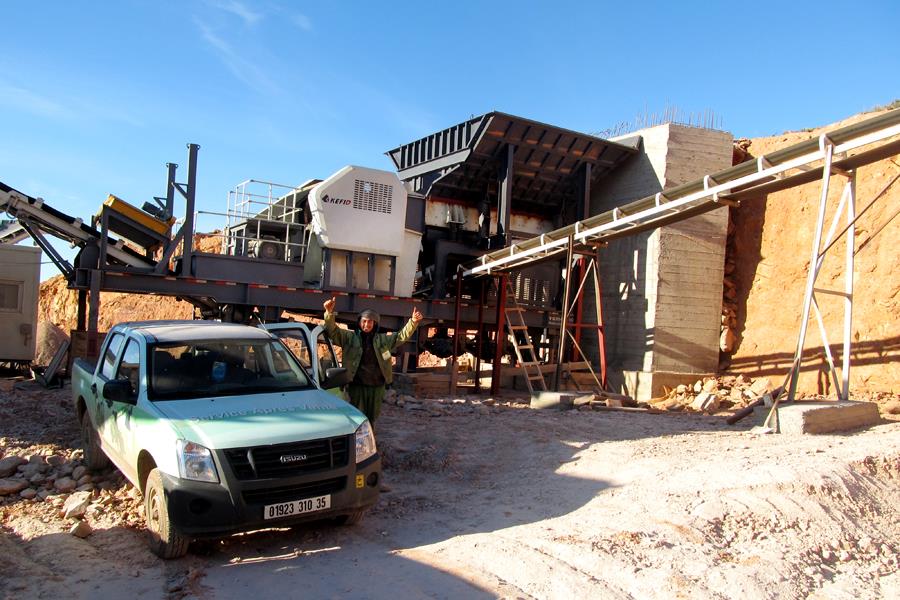
How to Reduce Dust from a 130 TPH Limestone Crusher Plant in Nigeria
-
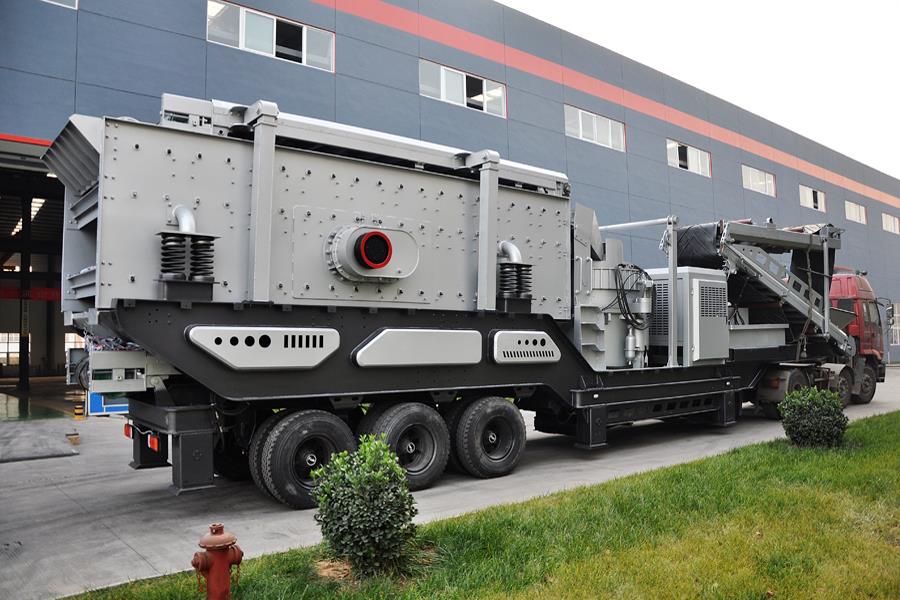
80 TPH Construction Waste Mobile Impact Crusher in Port Harcourt Nigeria
-
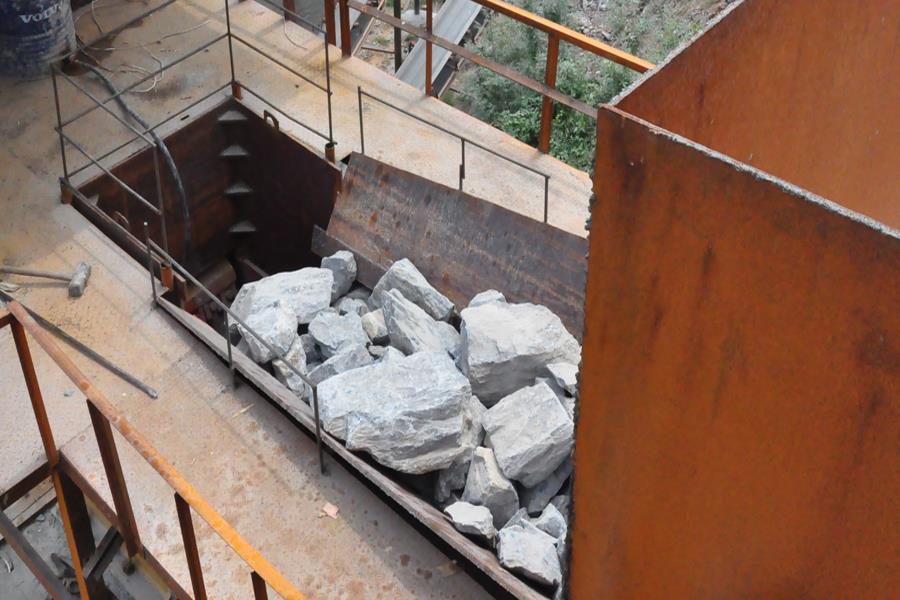
220 TPH Iron Ore Cone Crusher Liner Replacement Guide in South Africa
-
100 TPH Sand Washing Plant for Manufactured Sand in Can Tho Vietnam
-
What Is the Best Jaw Crusher for Lead-Zinc Ore 110 TPH in Peru



