How to Reduce Dust from a 130 TPH Limestone Crusher Plant in Nigeria
Nigeria's Dust Rules Are Not Advisory—They Carry Shutdown Power
Nigeria's quarrying sector operates under a regulatory framework that has teeth, even if enforcement has historically been uneven. The National Environmental (Quarrying and Blasting Operations) Regulations, 2013 , made under the NESREA Act, explicitly requires quarrying operations to "prevent air and noise pollution" and to use "environmental-friendly technologies". The practical benchmark that inspectors apply is a PM10 ambient limit of 150 µg/m³ over a 24-hour period, and the regulations require facilities to monitor and report emission data to NESREA field offices. Enforcement is not theoretical. In Abuja, NESREA sealed a quarry operation after dust from its site shut a nearby school for three days. For a limestone plant running at 130 TPH, the question is not whether dust control is required. It is whether your operation can afford to be the next one sealed.
Where the Dust Actually Comes From in a Limestone Circuit
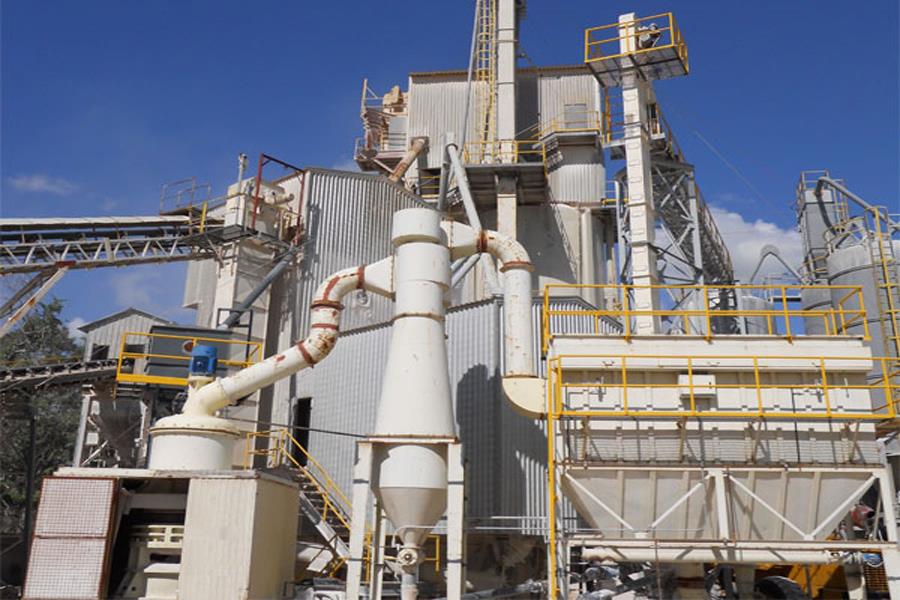
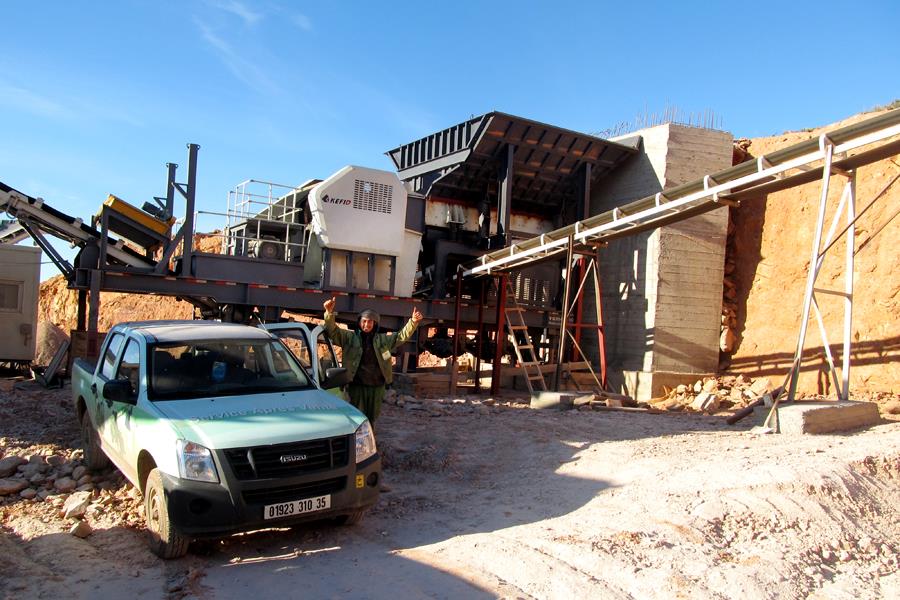
Limestone is a soft rock, which makes it easy to crush but also means it generates fines readily. At 130 TPH, the dust sources are predictable: the primary crusher feed opening, the crusher discharge, every conveyor transfer point, and the screening deck. Limestone fines are light and stay airborne longer than heavier aggregate particles, which is why visible dust plumes often originate from the screening section rather than the crusher itself. The regulations recognise this: the National Environmental (Air Quality Control) Regulations, 2020 includes specific provisions for quarrying operations and mining operations, with fugitive particulate matter controls targeting the same transfer points that operators know from experience are the worst offenders. A practical dust control programme therefore starts with mapping the circuit and identifying every point where material is dropped, accelerated, or screened.
Wet Suppression: The First Line, and the Cheapest
The simplest and least expensive means of controlling dust from crushing, screening, conveying, and stockpiling is through the use of wetting agents and sprays at critical points. For a limestone plant in Nigeria, water spray nozzles installed at the crusher inlet, discharge, and conveyor transfer points can knock down a substantial fraction of airborne dust before it disperses. The system does not need to be complex. A pressurised water line with correctly sized nozzles at each drop point is often enough to bring visible emissions under control. The key word is "correctly sized"—oversized droplets waste water and make the limestone sticky, while undersized droplets fail to capture the dust. Approximately 0.004 m³ of water is a typical starting point per tonne of material processed, adjusted upward in the dry season when ambient humidity drops. Water sprays are cheap to install and maintain, but they are not a complete solution on their own.
Baghouse Collection: Where Compliance Is Actually Decided
Water sprays reduce visible dust. Baghouses remove it. If your plant is near a community, a school, or a watercourse—and in Nigeria, many limestone deposits sit close to settlements—a baghouse is the specification that determines whether you pass inspection. The NESREA regulations authorise baghouses as a compliant control technology, and modern pulse-jet designs achieve removal efficiencies of 99% or higher. For a 130 TPH limestone plant, a reverse-pulse jet baghouse with 2.5 m² of filter area per module is a realistic configuration, reducing PM10 emissions to below 50 mg/Nm³ and, in some configurations, to under 20 mg/m³. The capital cost is not trivial. A baghouse sized for this duty, including the fan, ducting, and filter media, typically falls in the range of ₦15 million to ₦40 million depending on the number of collection points and the level of automation. That figure is easier to justify when measured against the cost of a shutdown order.
Dry Fog and Enclosure: The Gaps Water Sprays Cannot Close
Two additional measures are worth considering for a limestone plant in Nigeria's climate. Dry fog systems use compressed air and water to produce ultra-fine droplets (5–20 microns) that collide with dust particles and settle them without wetting the material excessively. This is useful at transfer points where wetting the belt is undesirable. Partial enclosure of the crusher and screening units—hoods, covers, and local extraction—minimises dust dispersion at the source and channels contaminated air to the baghouse rather than letting it escape into the open. For a 130 TPH plant, the most cost-effective configuration is usually a combination of water sprays at the primary drop points, a pulse-jet baghouse on the crusher and screen discharge, and partial enclosure on the conveyors. That is the specification that satisfies NESREA and keeps the plant running.
What Compliance Actually Costs in Nigeria
The capital cost of a dust control package for a 130 TPH limestone plant, including water spray lines, a baghouse, ducting, and partial enclosures, typically falls in the ₦45 million to ₦85 million range, depending on the number of collection points and the level of automation. Operational costs are lower than most operators expect. A reverse-pulse baghouse eliminating water truck costs of ₦1.2 million per month is one of the more straightforward returns available in a quarry operation. Filter bags require periodic replacement—typically every 18 to 36 months depending on dust loading—and the fan consumes electricity, but the ongoing cost is a fraction of the capital outlay. Against the alternative of a shutdown, the payback is immediate.
How OCP Mechanical Company Supports Nigerian Limestone Operations
OCP Mechanical Company has manufactured mining and crushing equipment for over 40 years. We build jaw crushers, cone crushers, impact crushers, VSI sand making machines, vibrating screens, feeders, sand washers, and complete crushing plants. For Nigerian limestone operations, our engineering team can specify the crushing circuit with dust control integrated from the start—water spray points, baghouse collection capacity, and enclosure provisions—rather than treating dust control as an afterthought bolted on after commissioning. Because we sell direct from our factory, there is no distributor margin in the price, and our technical team works with you on the layout and equipment selection. Our online customer service team is available 24 hours a day to discuss specifications, provide updated pricing, and help you work out which configuration suits your site. If you are evaluating a 130 TPH limestone crushing plant in Nigeria and want to get dust control right the first time, click the chat button and start the conversation.
-
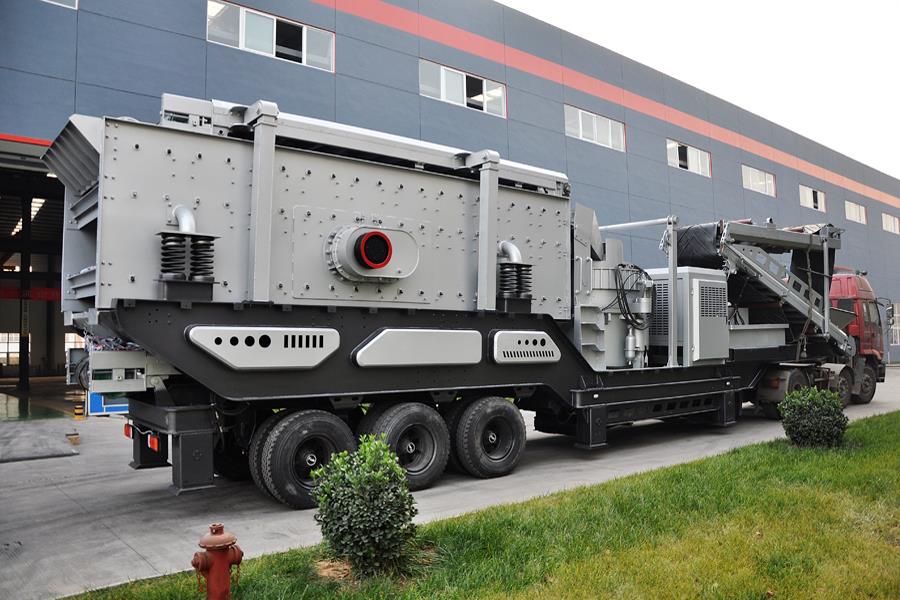
80 TPH Construction Waste Mobile Impact Crusher in Port Harcourt Nigeria
-
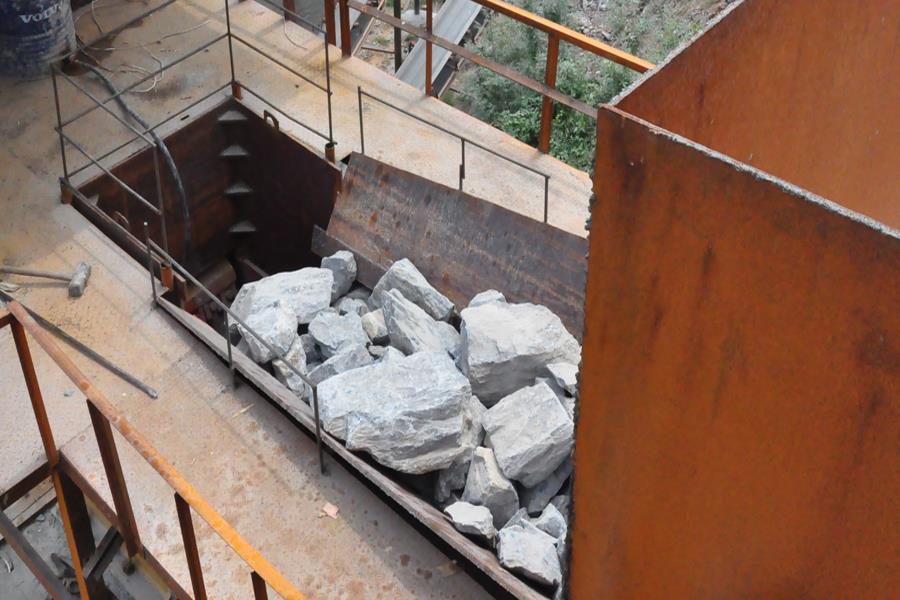
220 TPH Iron Ore Cone Crusher Liner Replacement Guide in South Africa
-
100 TPH Sand Washing Plant for Manufactured Sand in Can Tho Vietnam
-
What Is the Best Jaw Crusher for Lead-Zinc Ore 110 TPH in Peru
-