
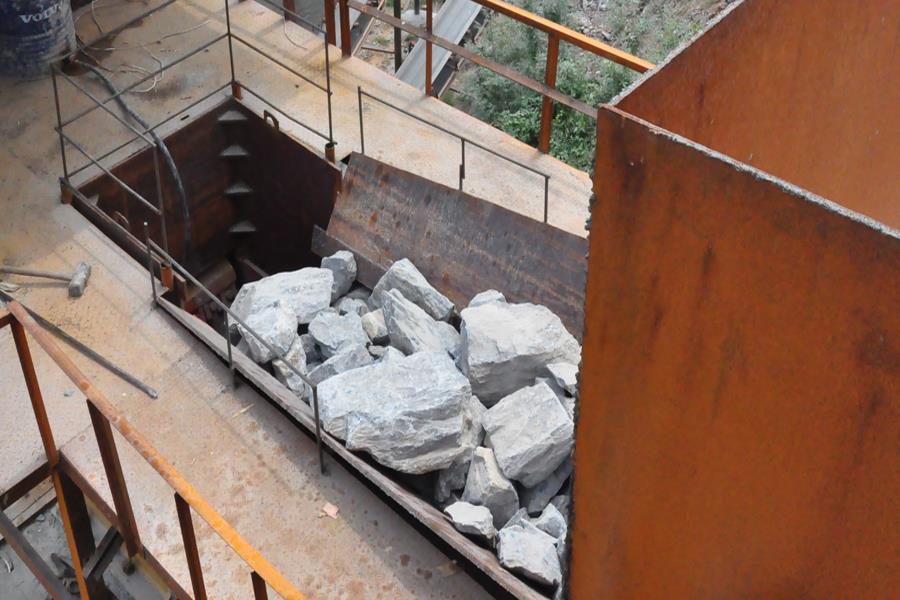
220 TPH Iron Ore Cone Crusher Liner Replacement Guide in South Africa
Why Liner Changes Are a Cost Centre, Not a Maintenance Task
Kumba Iron Ore's Sishen and Kolomela mines produced 17.7 million tonnes in the first half of 2026, with the company holding full-year guidance at 31–33 million tonnes despite a softer contribution from Kolomela. That volume moves through secondary and tertiary cone crushers, and every tonne wears the mantle and bowl liner a little further. The dollar-denominated C1 unit cost at Kumba came under pressure from a stronger rand and above-inflation input costs, with the company responding through operational efficiency initiatives. For a 220 TPH iron ore circuit, liner replacement is not a peripheral expense. It is one of the few maintenance activities that directly determines how many tonnes leave the plant each month. A change that takes sixteen hours instead of six, or that happens three weeks earlier than it should, is a production loss that never comes back. This guide sets out the practical sequence for a planned liner change, the operating habits that extend liner life, and the supply chain realities that South African iron ore operations have to plan around.
Reading the Wear Signs Before They Read Your Balance Sheet
The decision to change liners is a judgment call, and it is one that operators get wrong in both directions. Run liners too long and you risk cracking, packing, or a bowl liner that fails mid-shift. Change them too early and you throw away usable manganese while paying for downtime you did not need. The reliable indicators sit in three places. First, the discharge product: when the closed side setting no longer holds the target gradation, or when throughput drops noticeably at the same power draw, the cavity has worn out of shape. Second, the wear profile itself: a distorted profile decreases capacity, increases the liner wear rate, and raises crushing force, which feeds back into accelerated wear. Third, the adjustment cap position: as liners wear, the bowl must be screwed down further to maintain the setting. When the adjustment cap approaches the end of its travel, the liner set is finished regardless of how much metal appears to remain. An iron ore plant in Western Australia that had been changing secondary crusher liners every seven weeks stretched that interval to fourteen months after switching to a hybrid liner design with metallic inserts. The lesson is not that every plant needs premium liners. It is that the change interval is a variable, not a fixed number.
The Prep Work That Decides Whether the Change Takes Six Hours or Sixteen
Liner change downtime is won or lost before the crusher is opened. The single most common cause of extended change time is a missing part or tool. A South African mining aftermarket specialist described the pattern plainly: a technician begins a repair, discovers a specific O-ring or specialised bolt is absent, and a four-hour job becomes a two-day wait. For a cone crusher liner change, the parts that must be on site before the crusher is stopped include the new mantle and bowl liner set, backing compound or zinc alloy, the head nut and lock bolts, the bowl liner wedges and bolts, and the feed cone gasket. The tooling requirement includes a liner lifting clamp rated for the liner weight, a hydraulic torque wrench capable of the specified bolt torque, a thermal lance or hydraulic hammer for freeing seized wedges, and a crane or hoist with adequate reach. The crusher should be isolated, de-energised, and locked out before any work begins. The bowl assembly should be raised to the access position and the feed cone removed. Material should be cleaned from the crushing chamber and the area below the crusher. This preparation is not glamorous, but it is the difference between a planned shutdown and a rolling delay.
Removing the Old Set: What the Manual Does Not Always Emphasise
The removal sequence follows a logic that becomes clear once you understand what is holding the liner in place. The mantle is secured by the head nut and the backing compound between the liner and the head. The bowl liner segments are held by wedges and, in many designs, by hoop stress stored in the row of segments. Before the mantle can be lifted, the backing compound must be broken. This is typically done by cutting a valley through the compound with a thermal lance or by using a hydraulic wedge to separate the liner from the head. For the bowl liner, the keystone or key segment is removed first to release the hoop stress in that row, after which the remaining segments can be wedged apart and lifted out. A common mistake is to attempt to lift the mantle without fully releasing the backing compound, which risks damaging the head or the lifting equipment. Another is to reuse wedges or bolts that show deformation or thread damage. These fasteners are not expensive relative to the cost of a change, and reusing worn ones invites a repeat failure.
Installing the New Set: Cleanliness, Backing, and Torque
The installation is the reverse of removal, with two details that deserve more attention than they usually get. The first is surface cleanliness. The bowl inside surface and the mantle head surface must be free of old backing compound, scale, and oil. A liner that is not seated squarely on a clean surface will not wear evenly, and uneven wear is the beginning of a short liner life. The second is backing compound application. For zinc alloy backing, preheating the components to the manufacturer's specified temperature range eliminates moisture and improves flow. For epoxy resin backing, the mixing ratio and pour temperature must be followed precisely. A void in the backing compound leaves the liner unsupported in that area, and the liner will flex under load. Once the liners are in place, the wedges and bolts are tightened in the sequence specified by the crusher manufacturer. The head nut is tightened to the specified torque. The feed cone is reinstalled with a new gasket. The bowl is then adjusted to the initial closed side setting, which should be set slightly wider than the target production setting for the first hours of operation.
Work-Hardening: The Step Most Operators Skip
Manganese steel liners do not arrive at full hardness. They work-harden as rock compresses against the surface, and the hardening process is gradual. Engineering data shows that proper work-hardening can take a "green" manganese liner from 25 Rockwell to 60 Rockwell, and that this process can add up to 30% to liner life in most applications. The procedure is straightforward but requires discipline. After installing a new liner set, operate at 50% of rated power—about 65% amps—with a full cavity for six hours. Then increase to 75% of power—about 80% amps—with a full cavity for two hours. After that, the liners are work-hardened and the crusher can run at full power. Running a new liner set at full power from the first hour does not accelerate production in any meaningful way. It accelerates wear, and it does so on a liner that has not yet developed the hardness to resist it. The two-stage run-in is not an optional refinement. It is the difference between a liner that lasts its full expected life and one that is changed early.
Choke Feeding and the Wear Pattern You Actually Want
A cone crusher is designed to be choke-fed. The crushing chamber should be full, with the cone head covered by at least 150 mm of consistent, homogenous material. When the crusher is choke-fed, the wear is distributed across the full height of the crushing chamber, and the cavity retains its designed profile as it wears. When the crusher is fed intermittently or run partially empty, two things happen. The mantle and bowl liner wear unevenly, with the lower zone taking the brunt. And the head can spin from one direction to the other at 200 to 300 rpm, which damages components and accelerates liner wear. Feed segregation is the other common problem. If finer material runs down one side of the cavity and coarser material down the other, the power draw oscillates through each gyration cycle and the liners wear unevenly. A vibrating feeder that distributes material evenly around the chamber, and a surge bin that maintains a steady feed rate, are worth more to liner life than any liner metallurgy upgrade.
Material Selection: Where the Extra Life Comes From
The standard liner material for iron ore cone crushers is austenitic manganese steel, typically with 18% manganese and around 2% chromium. A tribological study of fourth-stage crusher coatings in an iron ore processing plant found that this composition presented high abrasive wear resistance, with a wear rate 18% lower than the alloy used in the comparison liners. The work-hardening behaviour is what makes manganese steel effective: the surface hardens under impact while the core remains tough, which resists both abrasion and cracking. For operations where standard manganese liners wear faster than the maintenance budget can absorb, hybrid designs with metallic inserts have demonstrated up to 100% longer lifetime compared to conventional liners, with the extended wear life translating directly into fewer mantle and bowl liner replacements. The trade-off is upfront cost. The relevant calculation is not the price per liner but the cost per tonne crushed, which includes the downtime, the labour, the backing compound, and the lost production from each change.
South African Supply Realities and the Case for Planned Inventory
South Africa's mining aftermarket has been reshaped by the growing share of Asian-built equipment, which now accounts for a substantial portion of the fleet. This shift has brought competitive pricing and faster product cycles, but it has also created new demands on aftermarket support and technical expertise. For a 220 TPH iron ore operation, the practical implication is that liner sets and change-out parts should be held on site or in a regional warehouse, not ordered after the wear indicators show the change is due. The alternative is a crusher that sits idle waiting for a liner that is three weeks away. Parts kits that group the components for a specific repair task into a single order simplify inventory management and reduce the risk of a missing item stopping the job. The same logic applies to liner sets: a planned change with the full set on site takes the time it takes. A change that waits for a delivery takes as long as the delivery takes.
How OCP Mechanical Company Supports South African Iron Ore Operations
OCP Mechanical Company has manufactured mining and crushing equipment for over 40 years. We supply cone crusher mantles and bowl liners in Mn18Cr2 and higher-grade manganese steels, along with jaw plates, blow bars, screen panels, and the full range of wear parts for crushing circuits. For a 220 TPH iron ore operation in South Africa, our engineering team can review your wear profile and recommend a liner configuration that balances wear life against cost per tonne, rather than defaulting to the same specification for every application. Because we sell direct from our factory, there is no distributor margin in the price, and our technical team works with you on the specification rather than handing over a catalogue. Our online customer service team is available 24 hours a day to discuss liner selection, provide updated pricing, and help you plan a change-out schedule that fits your production calendar. If you are managing a cone crusher liner programme in South Africa, click the chat button and start the conversation.
-
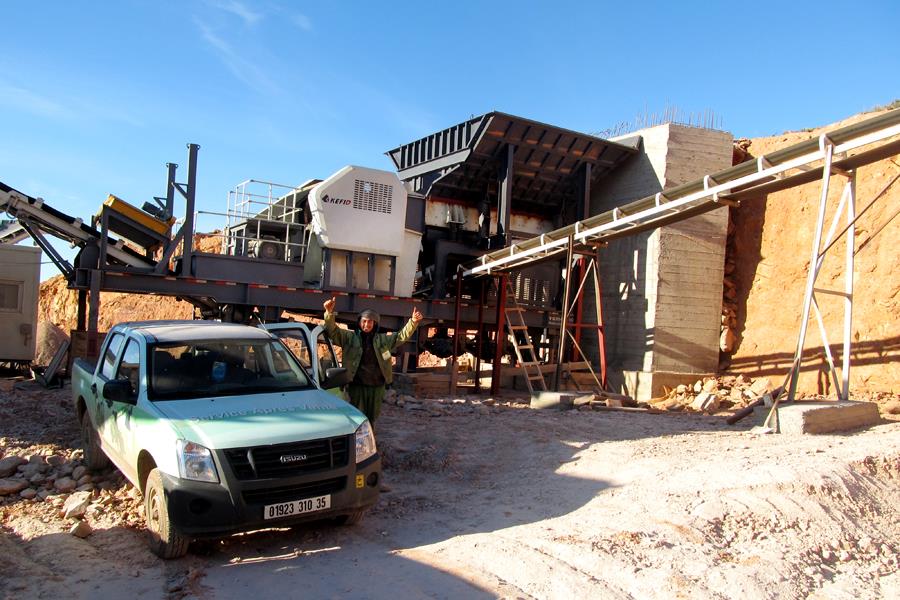
100 TPH Sand Washing Plant for Manufactured Sand in Can Tho Vietnam
-
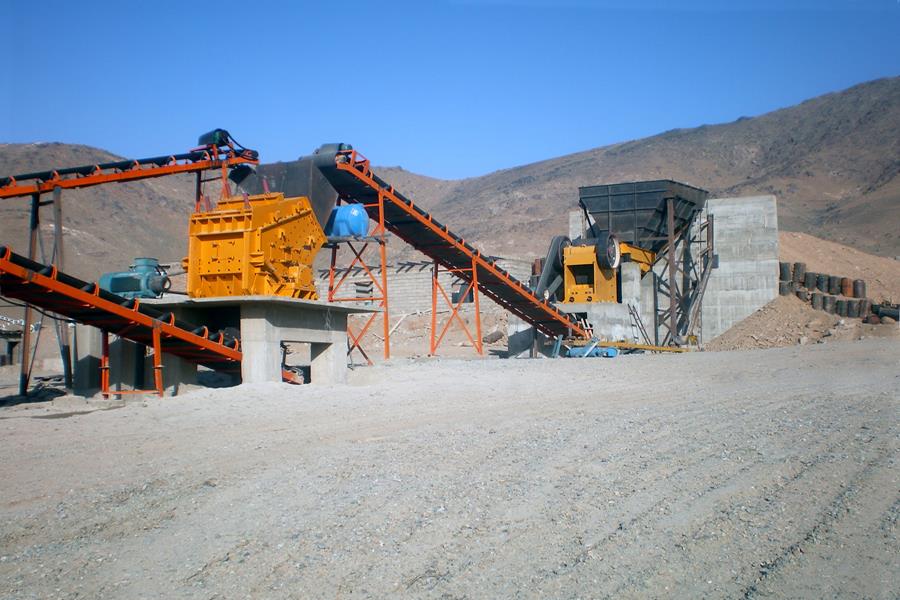
What Is the Best Jaw Crusher for Lead-Zinc Ore 110 TPH in Peru
-
-
How to Extend Blow Bar Life in Impact Crusher for Dolomite 80 TPH
-
150 TPH Mobile Cone Crusher Rental Cost in Iloilo Philippines



