
150 TPH Mobile Cone Crusher Rental Cost in Iloilo Philippines
Iloilo Is Building Faster Than It Can Supply Aggregates
Iloilo is in the middle of a construction push that has not slowed for three years. The Aganan flyover in Pavia, delayed for six years, is finally nearing completion of its southbound lane, with the northbound lane targeted for February 2027 under direct orders from the DPWH Secretary to accelerate the schedule. The Buhang flyover in Jaro has committed to completing rehabilitation by May 2026. The Iloilo–Capiz–Aklan Expressway is advancing through project preparation, a 48.9-kilometre four-lane expressway that will traverse two cities and 20 municipalities across three provinces. Beyond roads, the national housing programme has launched two 4PH projects in Iloilo City—the Iloilo Residences in Sambag and the Uswag 4PH Condominium Complex in San Isidro Jaro—together targeting more than 7,000 beneficiaries. The province has been described as a “new Philippine boomtown,” with sand and gravel demand rising noticeably across the province and prices climbing in response.
For a contractor working multiple sites across Iloilo, the aggregate supply question has a practical answer: bring the crushing equipment to the material rather than hauling material to a fixed plant.
Why Rental Makes More Sense Than Purchase for a 150 TPH Circuit
A 150 TPH mobile cone crusher is a mid-sized machine. It is large enough to supply a road base contract or a batching plant, but not so large that it requires a dedicated quarry operation to justify the capital outlay. That profile fits Iloilo‘s project-based construction market well, and it is precisely the profile that makes rental attractive.
The Philippines crushing and screening equipment market has a recognised gap: smaller operators who lack the capital for outright purchases, and projects with defined timelines that do not justify a permanent equipment purchase. The market research notes “scope for setting up service and maintenance centers or leasing equipment to smaller operators” as a specific investment opportunity. That gap exists because the economics of owning a mobile crusher are difficult to justify for a single project. A machine that sits idle between contracts still requires storage, maintenance, insurance, and capital servicing. A rented machine is a project expense, not a balance sheet liability.
For contractors working on the Aganan flyover, the Buhang rehabilitation, or any of the road and housing projects underway in Iloilo, rental converts a capital decision into an operational one.
What Drives the Monthly Rental Figure
Rental rates for mobile crushing equipment in the Philippines are not published as a standard price list. They are negotiated based on duration, configuration, and what the rental package includes. But the cost structure follows a predictable logic, and understanding it helps a contractor evaluate whether a quoted rate is reasonable.
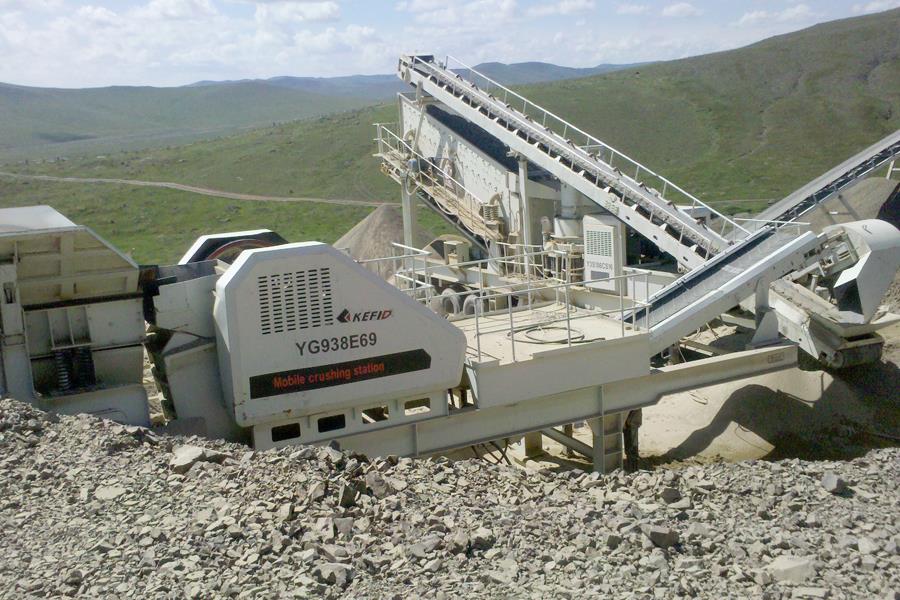
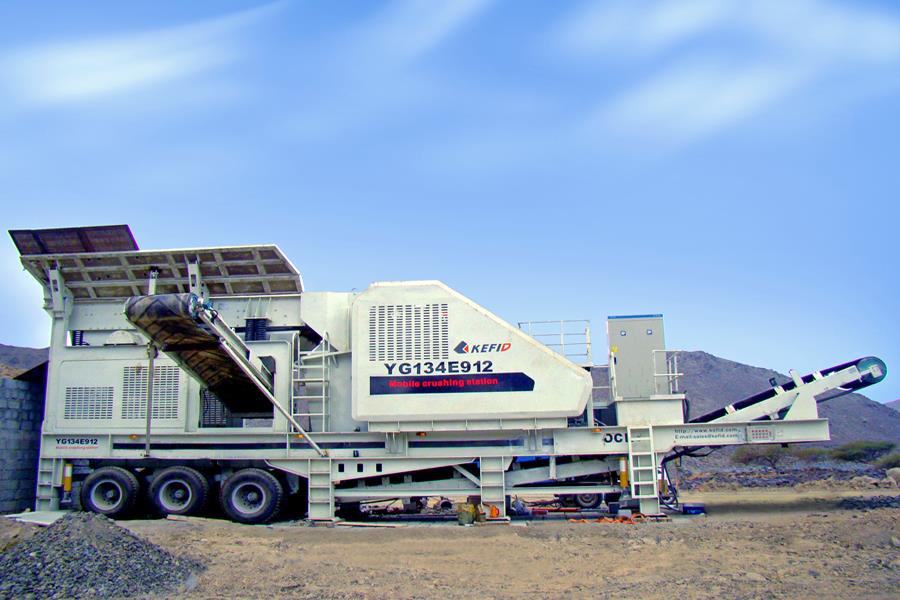
The foundation is the equipment‘s capital cost. A 150 TPH mobile cone crushing plant—typically a tracked chassis carrying a cone crusher, a vibrating screen, and the necessary conveyors—sits in the USD 250,000 to USD 550,000 range depending on configuration and automation level. Rental companies recover that capital over a defined number of project months, and the monthly rate reflects that recovery plus maintenance, insurance, and margin.
Beyond the base machine, several variables move the number. Duration is the largest: a six-month rental commands a lower monthly rate than a one-month rental because the lessor amortises mobilisation and demobilisation across more production months. Whether an operator is included changes the cost significantly. A dry rental—machine only, no operator, no maintenance—is cheaper on paper but shifts the burden of daily checks, liner monitoring, and minor repairs onto the contractor’s team. A wet rental with a trained operator and maintenance support costs more per month but reduces the risk of unplanned downtime.
Wear parts are the variable that surprises contractors most often. Blow bars and cone liners wear at a rate determined by the feed material. Basalt and river gravel in the Visayas are abrasive; a set of liners that lasts 800 hours in limestone may last 400 in harder feed. Some rental agreements include a defined wear parts allowance; others charge consumption separately. The difference between those two structures can be substantial over a six-month project.
Mobilisation is the final line item. Moving a tracked crusher from one Iloilo site to another is not the same as moving it from Manila. Tracked units can be driven short distances on public roads, but longer moves require a low-bed trailer and permits. A rental quote that omits mobilisation is not a complete quote.
A Reference Range for Budget Planning
With those variables in mind, a working range for budget planning purposes is USD 8,000 to USD 15,000 per month for a 150 TPH mobile cone crushing plant in the Philippine market, depending on duration, inclusions, and whether an operator is provided. That figure covers the machine and standard support. Wear parts consumption and mobilisation may be additional.
For a project lasting three months or less, expect the upper end of that range. For six months or longer, with a dry rental structure, the lower end becomes achievable. These are planning figures, not quotations. The actual number depends on the specific machine, the site conditions, and what the rental agreement covers.
Matching the Machine to the Material
The rental rate matters, but the machine‘s suitability matters more. A cone crusher that is the wrong size for the feed, or configured with the wrong cavity, will cost more in downtime than it saves in monthly rate.
For a 150 TPH circuit in Iloilo, the feed is likely to be river gravel, basalt, or limestone depending on the quarry source. A mobile cone crusher in the 350–700 mm cone shell diameter range produces roughly 150–400 TPH depending on settings and feed characteristics. The cavity selection—coarse, medium, or fine—determines the product gradation and the recirculating load. A cavity that is too coarse for the target product pushes more material back through the circuit, reducing effective capacity. A cavity that is too fine restricts throughput and accelerates liner wear.
The screen configuration matters equally. A single-deck screen on a 150 TPH plant will struggle to classify three or four product fractions cleanly. Two decks, or a separate screening unit, is the more realistic arrangement for a contractor supplying multiple aggregate sizes to different buyers.
The Local Support Question
Iloilo is not Metro Manila. Equipment that breaks down in Iloilo cannot be serviced by a technician who drives over from Quezon City in an hour. The distance from Manila to Iloilo is a short flight but a full-day logistics exercise for a service crew and spare parts.
This is where the rental decision intersects with the supplier decision. A rental company with a regional presence in the Visayas—or a manufacturer with local warehousing and technical support—can mobilise a technician to an Iloilo site in a day. A company without that presence cannot. For a contractor on a fixed project schedule, that difference is the difference between a two-day repair and a two-week delay.
The Philippines mobile crushers and screeners market is expanding because construction and mining require efficient material processing equipment, but the market also faces practical constraints: equipment downtime due to power outages and rugged terrain, and a shortage of skilled labour to operate and maintain modern machinery. A supplier who understands those constraints—and prices support into the rental rather than treating it as an afterthought—is worth more than a supplier who quotes the lowest monthly rate.
How OCP Mechanical Company Approaches Rental and Supply in the Philippines
OCP Mechanical Company has manufactured mining and crushing equipment for over 40 years. We build mobile cone crushers, mobile jaw crushers, mobile impact crushers, vibrating screens, feeders, and complete mobile crushing and screening plants. For contractors evaluating a 150 TPH mobile cone crusher in Iloilo, our engineering team can help match the machine configuration to your feed material and target product, rather than supplying a standard unit that may not fit the application.
Because we sell direct from our factory, there is no distributor margin in the equipment price, and that cost advantage carries through to rental arrangements where we are involved. Our online customer service team is available 24 hours a day to discuss specifications, provide updated pricing, and help you work out whether a rental or purchase structure makes more sense for your project timeline. If you are planning a crushing operation in Iloilo and want to understand the real cost of a 150 TPH mobile cone circuit, click the chat button and start the conversation.
-
130 TPH Graphite Ore Jaw Crusher Selection Guide in Sri Lanka
-
200 TPH Complete Crushing Plant for Granite in Ibadan Nigeria
-
How to Automate a 250 TPH Sand Making Line with VSI in Saudi Arabia
-
80 TPH Barite Jaw Crusher Quotation for Mining in Morocco: What Actually Drives the Price
-
Which Cone Crusher Cavity Is Best for Manganese Ore 160 TPH in South Africa



