Working Principle of the Single-Cylinder Hydraulic Cone Crusher
Working Principle of the Single-Cylinder Hydraulic Cone Crusher:
The crushing process takes place between the fixed cone liner and the eccentric moving cone liner. The motor drives the horizontal shaft of the crusher via a V-belt and pulley, and the horizontal shaft drives the eccentric sleeve to rotate through gear transmission. The eccentric sleeve drives the main shaft, causing the moving cone section (crushing section) to perform a swinging motion. This creates periodic relative movement between the eccentrically swinging moving cone liner and the fixed cone liner, subjecting the material to be crushed to continuous compression and bending within the crushing chamber, thereby achieving fragmentation. The material to be crushed enters the crusher through the upper feed opening and is discharged from the machine body through the lower discharge opening after crushing.
Hydraulic adjustment:
Hydraulic oil is injected into the lower part of the hydraulic cylinder, causing the crushing cone to rise and the discharge opening to narrow; when the oil in the hydraulic cylinder is returned to the tank, the crushing cone descends, and the discharge opening widens. When an uncrushable object enters the crushing chamber, causing a sudden increase in crushing force, the hydraulic system automatically adjusts by returning pressure oil to the tank, widening the discharge opening to expel the uncrushable object and protect the machine from damage.
If you are interested in cone crushers or related equipment, you can click on the website customer service to consult for free immediately, available 24/7.
-
Structural Features and Working Principle of High-Pressure Roller Mills
-
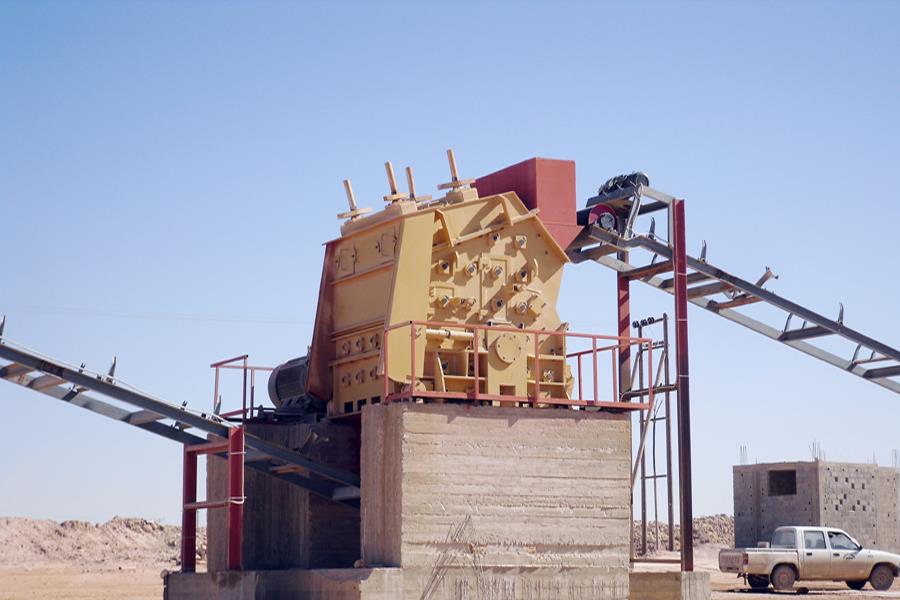
Structural Composition of the High-Performance Impact Crusher
-
Structure and Working Principle of Mine-Use Wet Dust Collectors
-
-