Structure and Working Principle of Mine-Use Wet Dust Collectors
Mine-use wet dust collectors (hereinafter referred to as wet dust collectors) are highly efficient industrial dust collection devices primarily used in dust-intensive work areas such as underground mines, rock excavation tunnels, anchor spray workfaces, and mining workfaces. With the increasing supervision and control of industrial dust pollution, to achieve an industrial dust concentration of 2 mg/m³, it is not only necessary to have a well-designed ventilation system but also to be equipped with high-efficiency dust collection equipment.
Compared with other dust collection equipment, the wet dust collector not only has a higher efficiency in removing respirable dust particles of 1–5 μm but also has lower installation costs, a compact structure, simple operation, and is economical and durable. Increasingly, research institutions and manufacturers are investing in their development and production, leading to unprecedented attention and development of mining wet dust collectors.
1. Structure
Currently, there are many types and models of wet dust collectors used in mines. While there are differences in appearance and structure among those produced by different manufacturers, their main structures primarily consist of an air inlet, fan, air duct, dust collector main unit, and dust collector support frame. The main unit of the dust collector comprises the dust collector housing, inlet and outlet ports, drain port, water separator, and water level indicator, among other components. This is the key component of the mine-use wet dust collector.
2. Working Principle
Wet dust collectors utilise water (or other liquids) to come into full contact with dust-laden gas. Through the inertial collision and contact agglomeration between water droplets and dust particles, dust is separated from the gas. The forms of contact between water and dust particles primarily include three types: water droplets, water films, and water bubbles. In practical applications, two or three of these forms may occur simultaneously.
The dust removal process of the dust collector is primarily divided into two parts: dust collection and water separation. Dusty gas enters through the inlet, passes through the duct, and enters the main body of the dust collector. After entering the dust collector, the gas first enters the dust capture zone. Coarser dust particles are captured by centrifugal force as they pass through the fan blades, while finer dust particles collide with water mist sprayed from nozzles at high relative speeds, causing the gas film adhering to the dust surface to be broken by the water mist. The dust particles are then wetted by the water and undergo intense agglomeration, forming dust-laden water droplets. The dust-laden gas passes through the water droplet separation zone, where it is captured and concentrated, forming wastewater and slurry. The slurry is collected and treated by the slurry treatment device, and finally, the purified clean air is discharged through the outlet.
We are a mining machinery company integrating R&D, production, sales, and service. Our main products include jaw crushers, cone crushers, impact crushers, sand makers, mobile crushing plants, ball mills, and vibrating screens, among related equipment. We welcome all customers to visit our factory for on-site inspections. Click on the website customer service for free consultation, available 24/7.
-
-
-
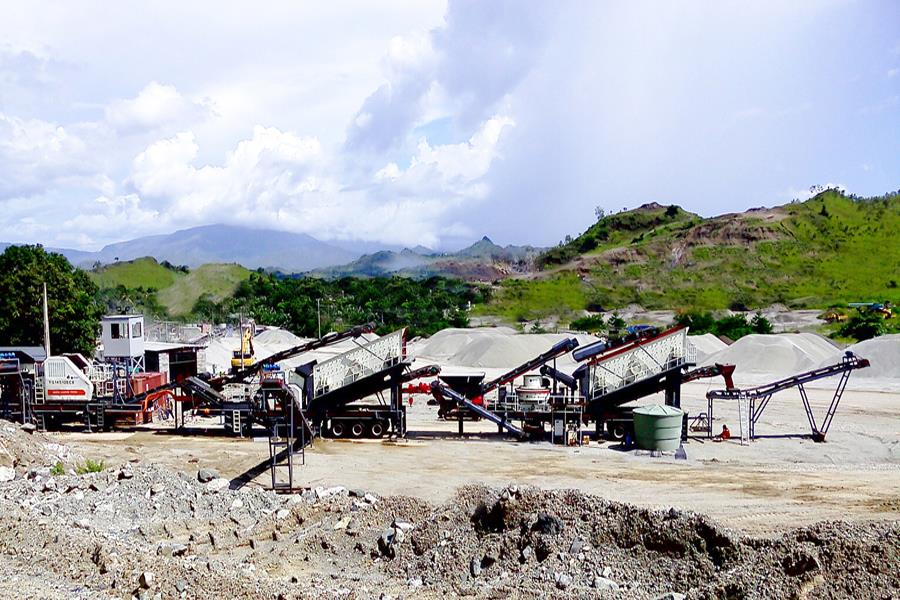
Sand Production Line Configuration Schemes for Different Materials
-
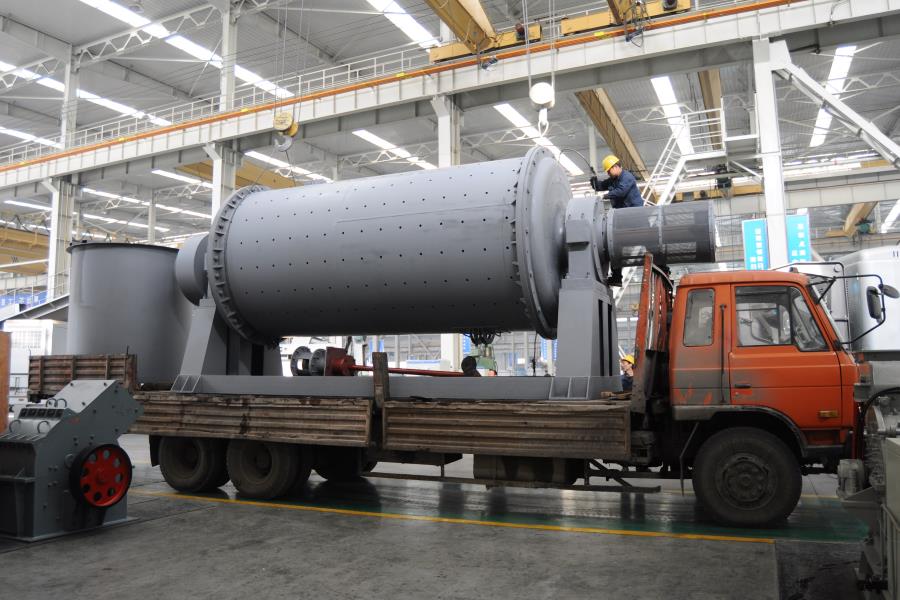
Which type of crusher is more suitable for recycled sand and gravel aggregates
-