
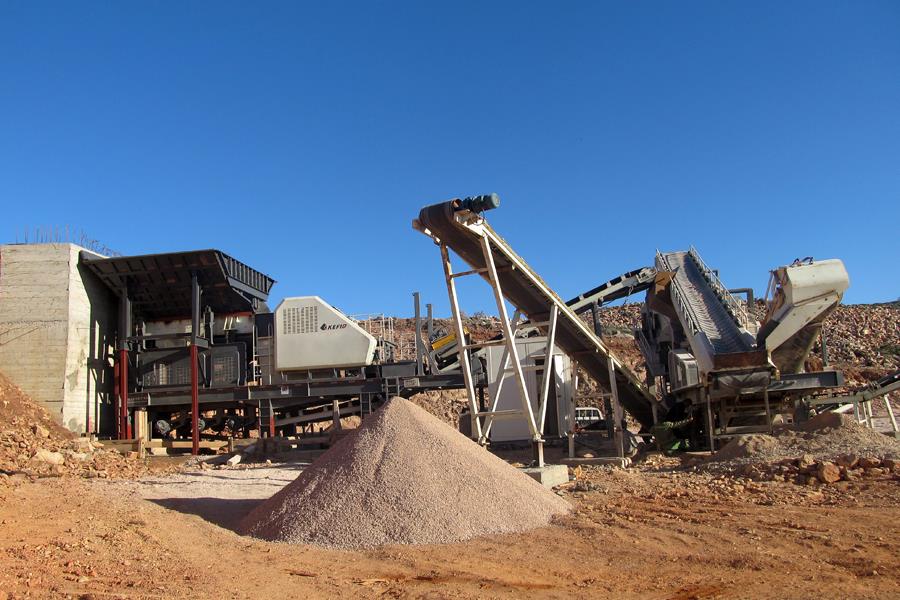
Working Principle and Applications of Vertical Crusher
Working Principle of Vertical Crusher:
Material is fed vertically into the high-speed rotating impeller from the top of the machine. Under the action of high-speed centrifugal force, it collides and crushes with another portion of material diverted in an umbrella-shaped pattern around the impeller. After colliding with each other, the material forms a vortex between the rotor and the machine shell, undergoing multiple collisions and friction, resulting in further crushing. The crushed material is then discharged directly from the bottom, forming a closed-loop multiple-cycle system. The final product size is controlled by screening equipment to meet the required specifications.
Applications of Vertical Impact Crushers:
1. Artificial sand production from river pebbles, mountain rocks (limestone, granite, basalt, diabase, andesite, etc.), mineral tailings, and rock fragments.
2. Production of construction aggregates, highway pavement materials, base course materials, asphalt concrete, and cement concrete aggregates.
3. Mechanically produced sand production and stone shaping for engineering projects such as hydropower, high-grade highways, expressways, high-speed railways, passenger-dedicated lines, bridges, airport runways, municipal engineering, and high-rise buildings.
4. Fine crushing processes in the mining industry prior to grinding, and material crushing in industries such as building materials, metallurgy, chemicals, mining, refractory materials, cement, and abrasives.
5. High abrasion resistance and secondary disintegration crushing, desulphurisation in the power generation and metallurgy industries, and environmental projects such as steel slag and construction waste crushing.
6. Production of glass, quartz sand, and other high-purity materials.
The vertical impact crusher is the core equipment of modern sand and gravel aggregate production lines, particularly unmatched in the mechanically produced sand production field due to its exceptional particle shape control capabilities. It achieves efficient crushing and optimised shaping through high-speed impact. Although it faces challenges related to wear and tear of wear parts, its advantages in enhancing product quality and meeting high-standard construction requirements have led to its widespread application in industries such as building materials and mining. When selecting equipment, it is essential to comprehensively consider material characteristics (hardness, moisture content, viscosity), product requirements (particle size, particle shape), and operational maintenance costs.
If you require related crushing equipment, you can click on the website customer service to consult for free immediately, available 24/7 online.
-
-
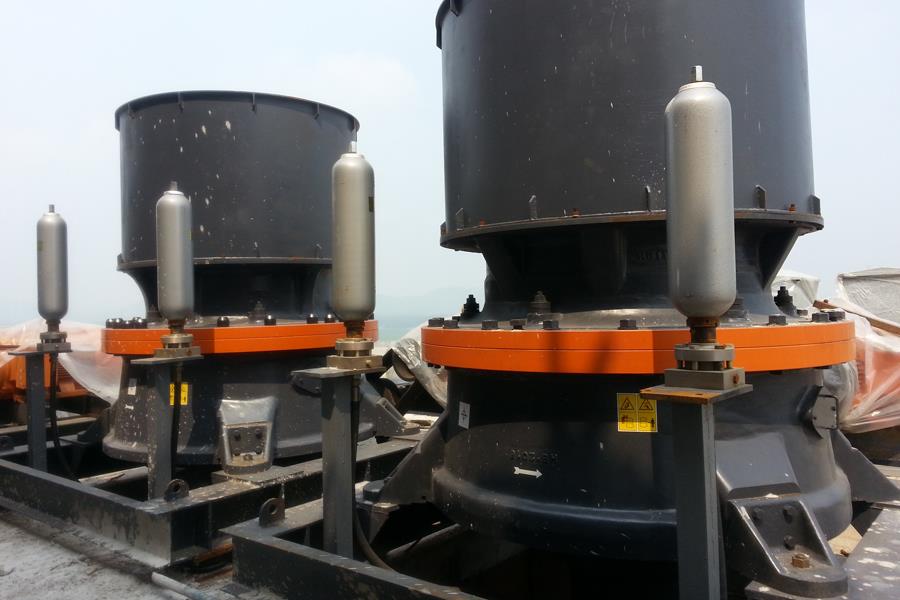
What precautions should be taken when replacing the liners of a cone crusher
-
-
-
Common Features of Tyre-Mounted Mobile Crushing Plants and Track-Mounted Mobile Crushing Plants