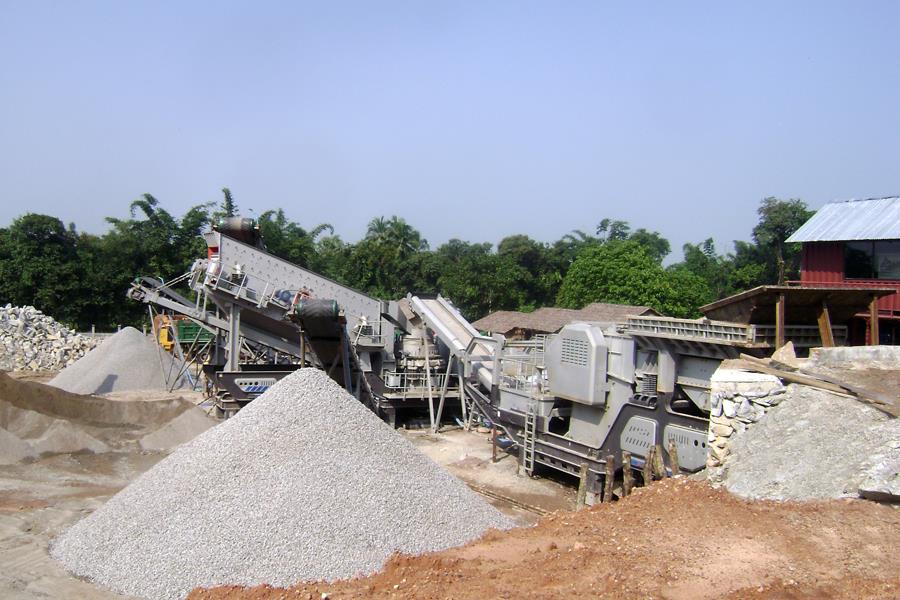
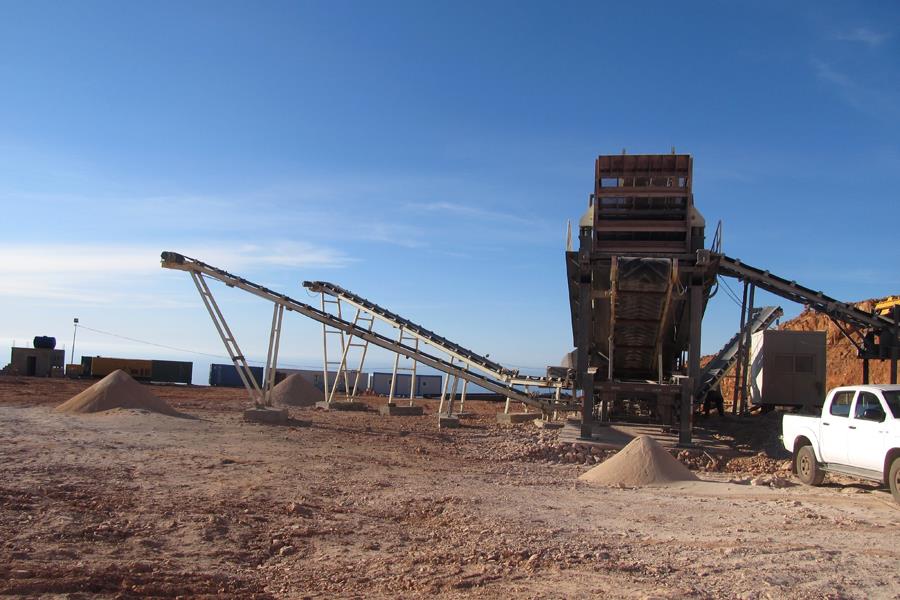
With so many screening devices available, how should one select the appropriate equipment for different stages of a sand and gravel production line
Rocks extracted from quarries undergo crushing, resulting in a mixture of particles of varying sizes. Before use, these aggregates must be separated into several graded sizes. Screening involves classifying the mixture through sieve apertures, separating particles by size. This process is known as screening. Based on their role in aggregate production, screening operations fall into two primary types:
1. Auxiliary Screening
This type supports the crushing process throughout production. It typically occurs in two forms:
First, pre-screening separates fine particles before they enter the crusher, bypassing this stage and directing them directly to subsequent processing. This approach enhances crusher productivity while reducing over-crushing of aggregates. The second is check screening, typically positioned after crushing to inspect the crushed product. Qualified material is promptly separated, while unqualified material undergoes further crushing or is discarded. Check screening may also precede primary crushing to prevent oversized rocks from entering the crusher, ensuring smooth crushing operations.
2. Selective Screening
In aggregate production, this screening primarily classifies products by particle size. Selective screening is generally positioned after crushing operations. It can also be employed for impurity removal tasks, such as desliming and dewatering of rock materials.
The sequences for classification screening are:
(1) Coarse-to-fine screening: This sequence allows overlapping screens by particle size, resulting in a compact structure. Larger-mesh screens are positioned at the top, reducing wear. The drawback is that the finest particles must pass through all screens, increasing the likelihood of fine particles being trapped in coarser grades.
(2) Fine-to-coarse screening: This arrangement places screens side-by-side, facilitating discharge and reducing fine particle entrapment. However, it requires larger mechanical dimensions, and since all material first passes through the fine-mesh screens, it accelerates wear on these screens.
Modern screening processes predominantly employ coarse-to-fine screening sequences. In certain applications, mixed screening sequences are used, typically requiring two screening machines. For specific equipment application in sand and gravel production lines, we recommend consulting equipment manufacturers regarding production line design, equipment configuration, and application-related matters. OCP Heavy Industry is a large-scale direct-sales manufacturer offering competitive pricing. We provide not only various sand-making equipment but also comprehensive turnkey solutions, including free production plan design, complimentary technical training, and complimentary equipment upgrades and retrofits. This ensures a hassle-free experience for users from installation to profitability!
-
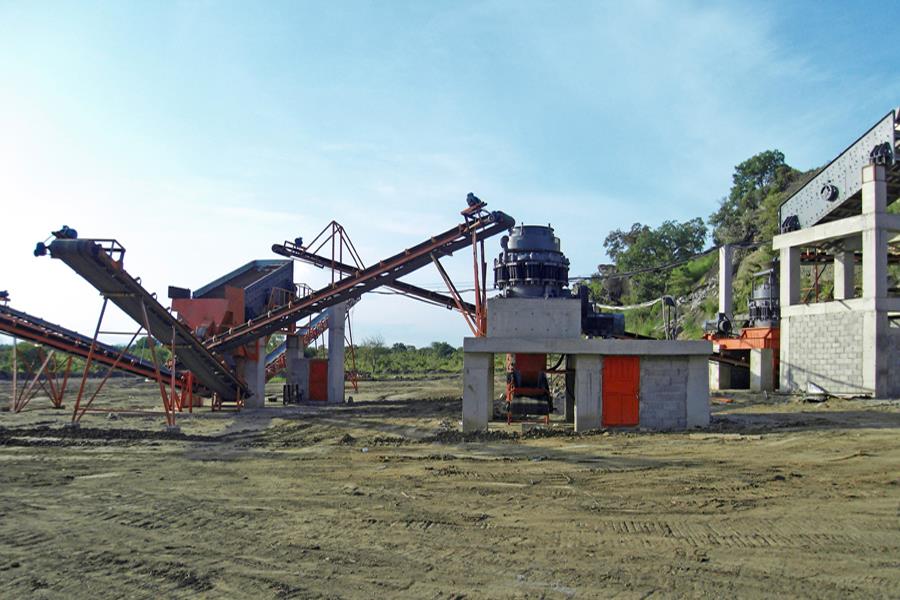
Working Principles and Performance Advantages of Common Screening Equipment
-
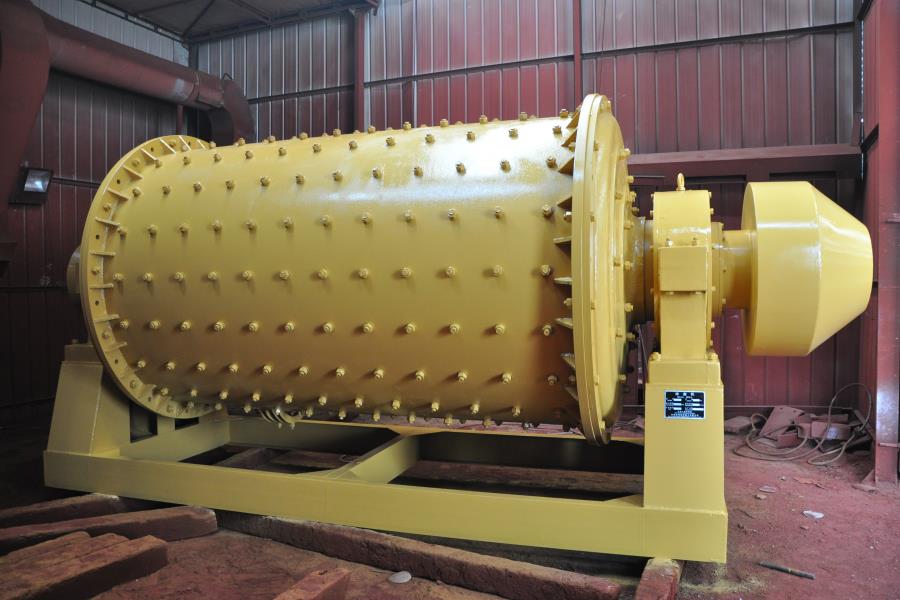
Which manufacturer offers reliable hammer crushers with excellent after-sales service
-
What is the hourly output of a small stone crusher? How should one select the appropriate model?
-
What crushing equipment is needed to produce 12mm and 13mm aggregates
-