
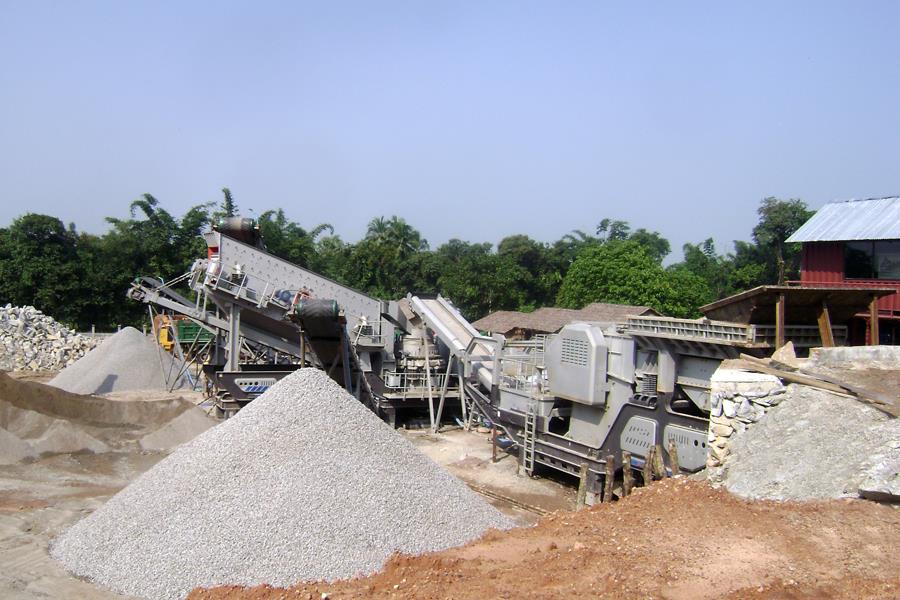
Key Considerations When Selecting Crushers
Numerous types of rock can be crushed into sand, including granite, pebbles, limestone, basalt, sandstone, coal gangue, dolomite, and more. Correspondingly, there are numerous types of crushers for processing these stones, including primary jaw crushers, secondary impact crushers or cone crushers, and tertiary sand-making machines. Additionally, options like hammer crushers, mobile crushing plants, and double-roll crushers are available. To maximize efficiency, careful selection of crushers is essential. Each crusher type processes different materials, and every model has distinct feed and discharge particle size specifications. Below, we detail crusher types and their suitable applications.
The jaw crusher is a primary crushing device for coarse processing. It has a wide range of applications and can crush materials with compressive strengths up to 320 MPa, such as river pebbles, granite, calcite, limestone, and marble.
The impact crusher is a medium crushing device, more suitable for softer materials. It can process granite, basalt, river pebbles, and similar materials. However, the impact crusher employs an impact crushing mechanism, producing well-shaped cubic particles with a coarser output size. It is suitable for building materials and construction projects.
The cone crusher is used for crushing hard materials such as calcite, limestone, granite, river pebbles, dolomite, bluestone, cement clinker, glass, basalt, and iron ore. In terms of particle shape, it employs a laminar crushing mechanism, resulting in a high proportion of needle and flake particles with poor shape. It is primarily used in mineral processing crushing and mining industries where output requirements are not stringent. Cone crushers produce finer material than impact crushers with higher throughput, making them suitable for large-scale stone quarries. For applications requiring both high output and good particle shape, an impact sand maker can be added downstream for fine crushing and reshaping.
Hammer crushers are suitable for crushing soft and brittle materials, capable of producing finished products in a single pass without secondary processing. Examples include bluestone, limestone, and gypsum.
Vertical impact crushers, vertical compound crushers, and vertical shaft impact crushers are all sand-making machines. These fine crushing and shaping devices process secondary-crushed sand and gravel to refine and reshape particles, thereby optimizing the gradation of finished sand.
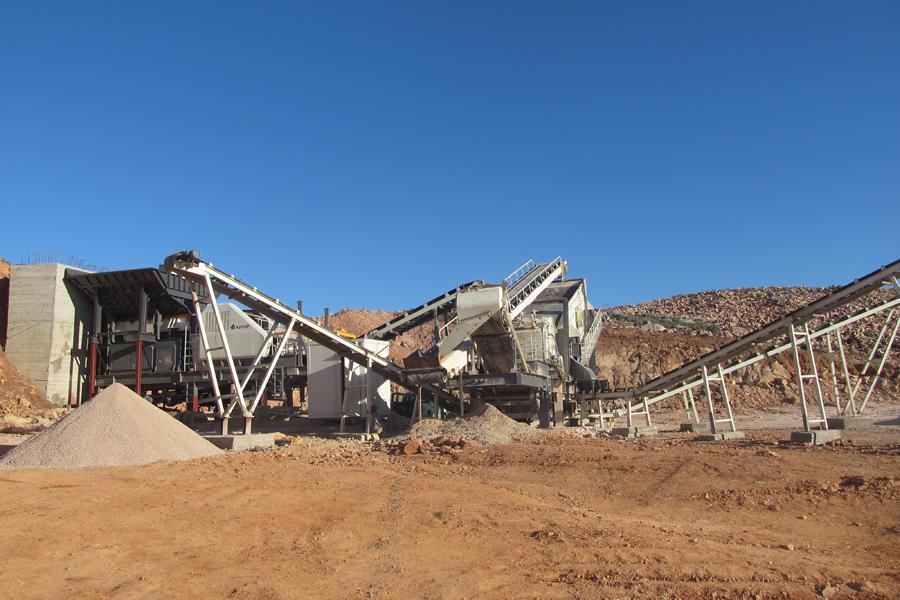
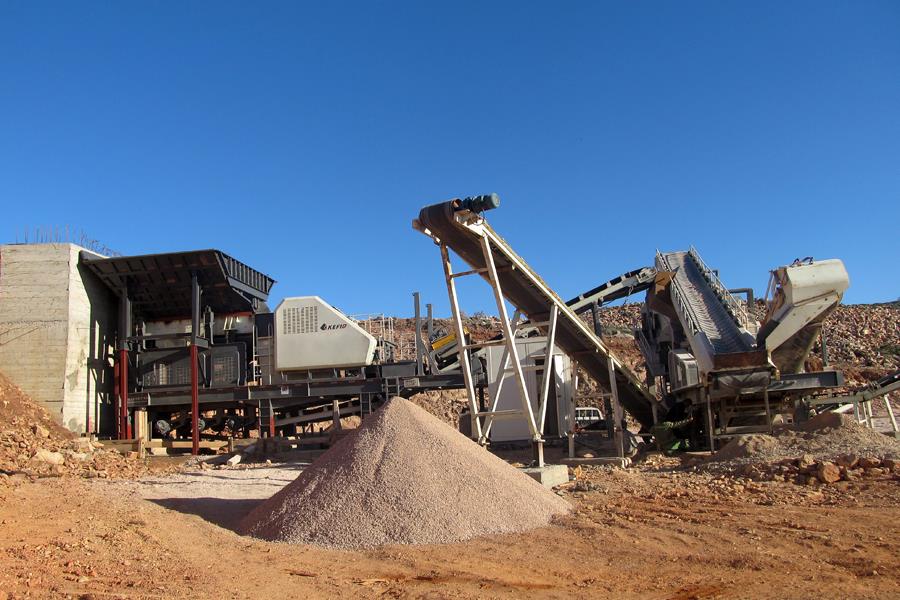
Mobile crushers and mobile crushing plants feature tracked or wheeled configurations with integrated designs, compatible with various crusher types. You may select different crushers based on your specific requirements. Mobile crushing plants offer extensive adaptability and advantages, primarily serving crushing and screening operations requiring frequent relocation in industries such as highways, railways, metallurgy, mining, and building materials.
For further information about crushers, we welcome you to visit our factory for consultation. Alternatively, click our website chat for immediate free consultation—available 24/7.
-
-
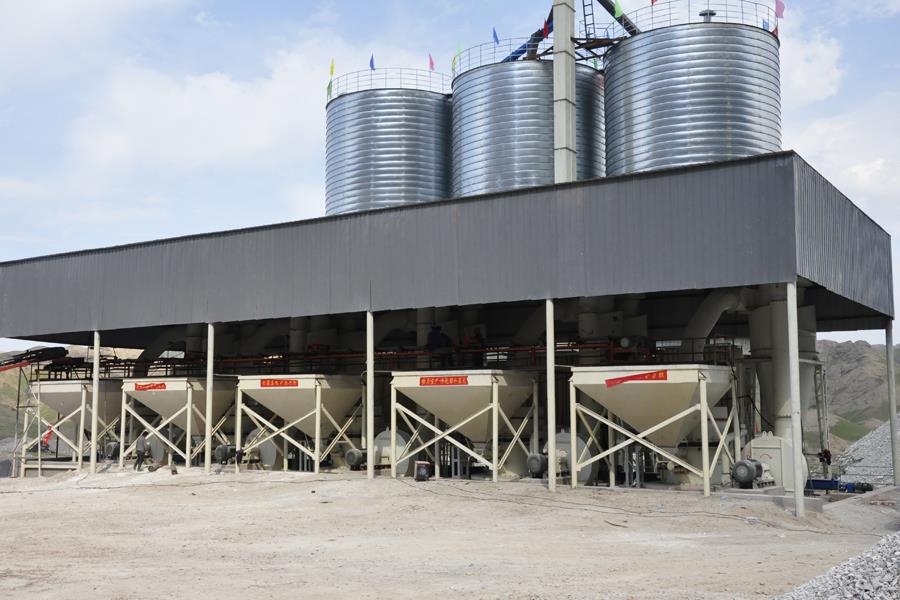
How does the composite crusher perform in sand making? What types of stone is it suitable for?
-
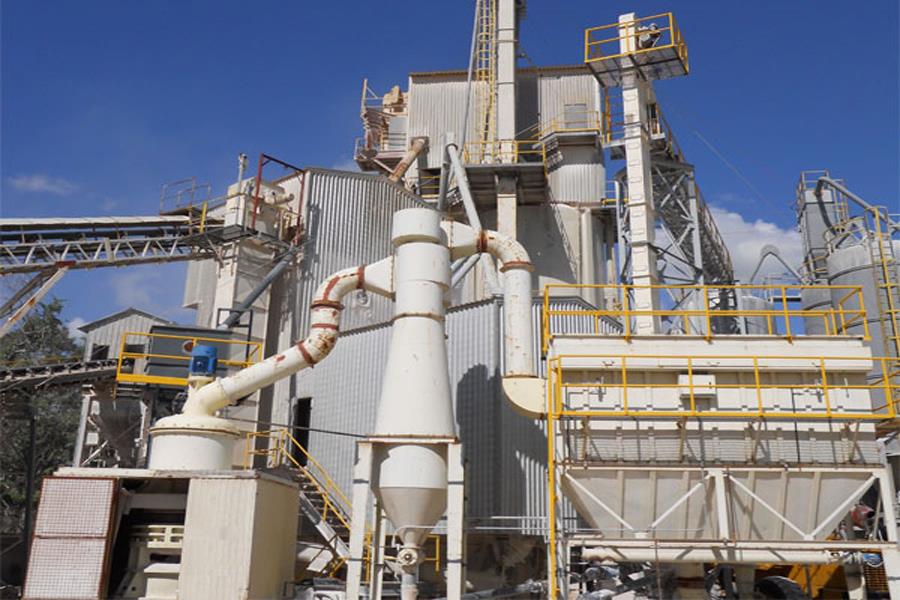
What type of crusher is suitable for processing hard ores such as granite and iron ore
-
How does a hammer crusher perform? What types of rock can it crush?
-
Unsure which crusher to choose for hard rock crushing? Look no further!