
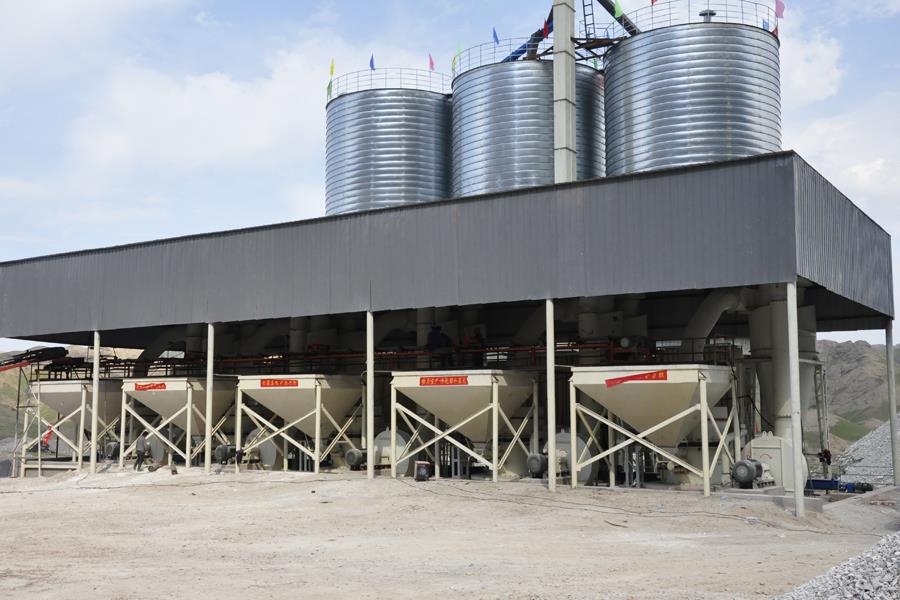
How does the composite crusher perform in sand making? What types of stone is it suitable for?
Currently, there are three types of crushing equipment (sand makers) that can serve as the third stage for fine crushing and sand making in sand and gravel production lines: vertical impact crushers, vertical shaft impact crushers, and vertical compound crushers. All three crushers utilize impact force to break materials. The most widely used is the vertical impact crusher, employed in the sand and gravel aggregate processing industry for re-crushing and shaping coarse sand. It optimizes and adjusts the sand yield and gradation. “Existence implies reasonableness”—each crushing device possesses unique performance advantages and applications, and the composite crusher is no exception. Today, we will discuss the performance characteristics and suitable materials for the composite crusher.
The vertical composite crusher is a new fine crushing and coarse grinding product developed by our company through comprehensive integration of similar crusher technologies and optimization based on years of practical experience. This product combines both impact and grinding crushing mechanisms. This composite crusher achieves “more crushing, less grinding,” making it an ideal energy-saving fine crushing solution. It is widely used for crushing raw materials and clinker in cement production, as well as for fine crushing various ores in metallurgy, mining, sand and gravel aggregates, and cement mining industries. It can process materials such as limestone, dolomite, lime, sandstone, medium-soft iron ore, and other dry, non-sticky materials below 160 MPa. Under special conditions, it can also be used for fine crushing of high-hardness brittle materials.
The compound crusher is designed based on the principle of progressively increasing input energy and graded crushing. After entering the crushing chamber, the material is first flung out at high speed by the throwing disc, impacting the impact plate to achieve primary crushing. It then falls into the gap between the hammers and impact plates, which progressively narrows from top to bottom. Subjected to hammer strikes, compression, and grinding forces, the material gradually reduces in size until reaching the set particle size, after which it is discharged from the crusher. This forms a closed-circuit multiple-cycle process, with screening equipment controlling the final product size to meet specifications.
1. High crushing ratio: Maximum feed size 80–240 mm, with approximately 90% of output particles ≤3 mm.
2. High throughput: Utilizes a direct-through crushing process. Large material throughput and rapid passage speed result in high production capacity. Relatively low energy consumption. When paired with grinding mills, this machine increases mill output by approximately 40% while reducing system power consumption by about 30%.
3. Wear parts utilize high-hardness, high-toughness multi-element alloy wear-resistant materials, ensuring minimal wear and extended service life. The hammer-to-impact plate clearance allows for fine adjustment, guaranteeing uniform product particle size. This significantly improves hammer utilization and extends hammer life by approximately 5 times.
4. The eco-friendly, energy-efficient composite crusher features water spraying during operation to suppress dust, minimizing environmental pollution and enhancing sustainability.
5. The unique discharge disc structure incorporates radially arranged discharge ribs and discharge liners. Worn discharge ribs can be repurposed as liners, substantially improving material utilization and reducing operational costs.
6. Equipped with a cooling system and bearing temperature monitoring device, it can crush materials up to 150°C and provides real-time bearing temperature detection.
7. Compact and rationally designed, the machine features simple installation and requires minimal time and effort for subsequent maintenance.
(Technical parameters and data mentioned herein are subject to updates with product upgrades. Click website customer service for the latest equipment specifications.)
The vertical composite crusher can process high-temperature materials below 150°C. Optional water-cooled chassis, high-temperature bearings, and high-temperature grease resistant to over 260°C make it widely applicable for crushing raw materials and clinker in cement production. It is extensively used in fine crushing operations across metallurgy, sand and gravel aggregates, and cement mining industries, capable of processing dry, non-sticky materials such as limestone, dolomite, lime, sandstone, iron ore, and other dry, non-sticky materials with compressive strength below 160 MPa. For more information about the compound crusher and sand maker, click the online consultation button on the right. Our specialists will be happy to assist you!
-
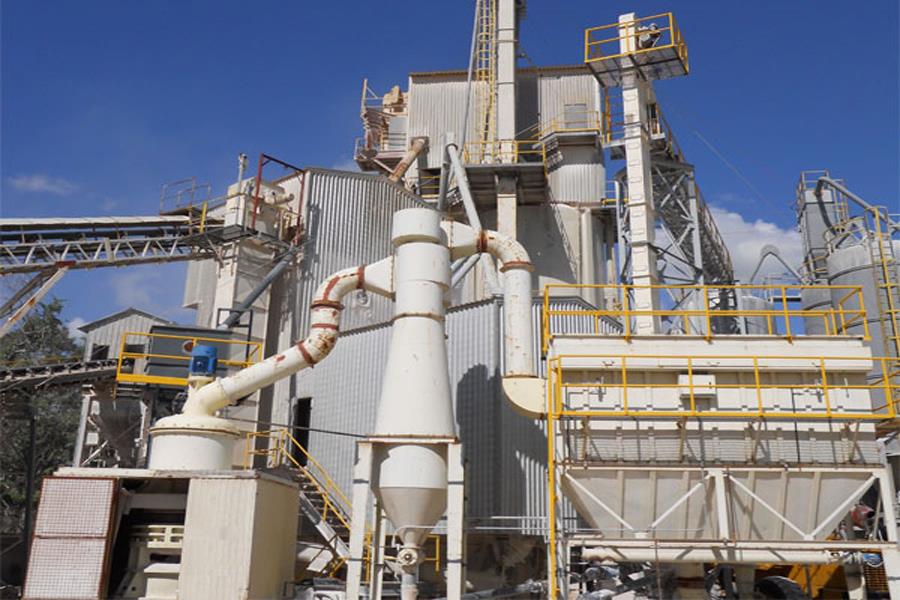
What type of crusher is suitable for processing hard ores such as granite and iron ore
-
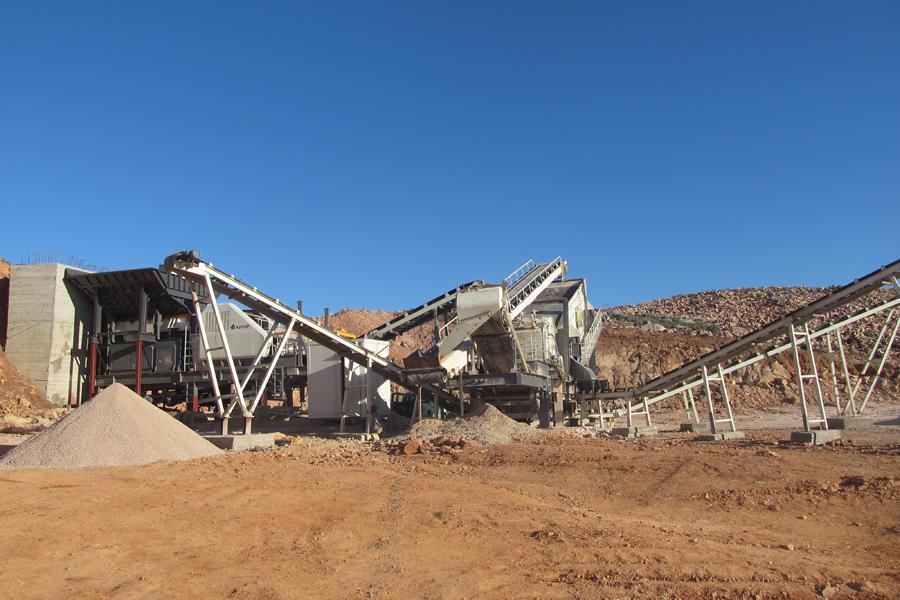
How does a hammer crusher perform? What types of rock can it crush?
-
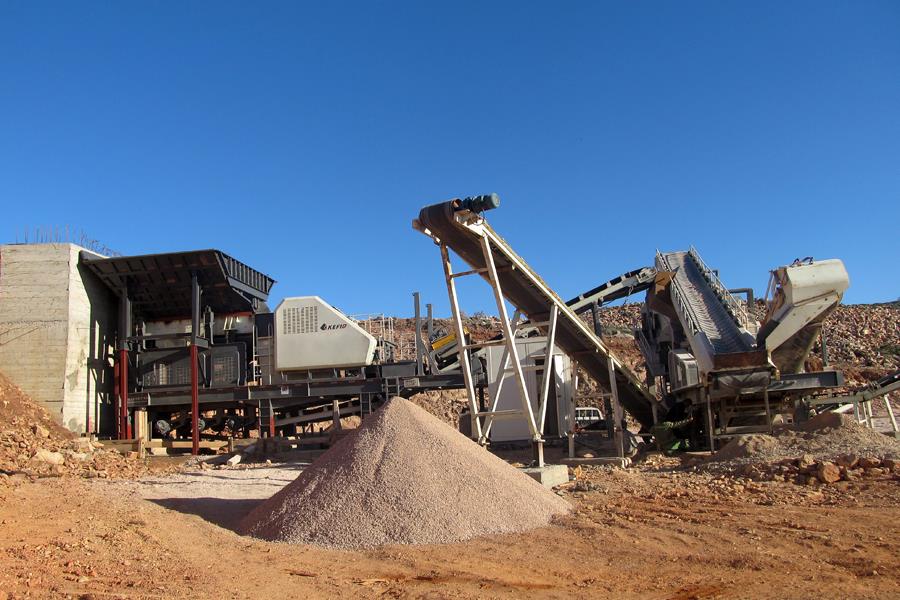
Unsure which crusher to choose for hard rock crushing? Look no further!
-
How to configure an 800tph pebble hard rock sand production line
-
What are the differences between manufactured sand and river sand