
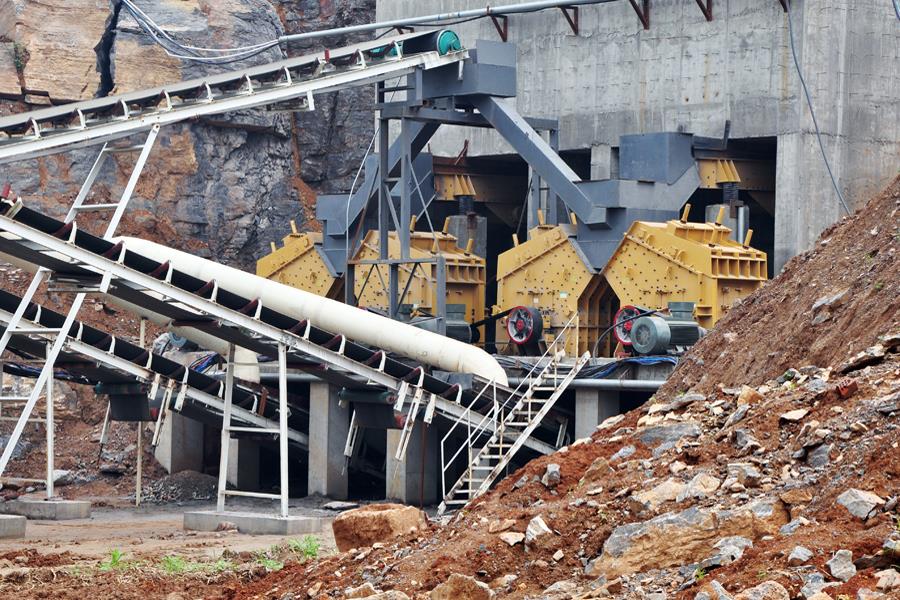
How to configure an 800tph pebble hard rock sand production line
When it comes to pebbles, those familiar with the sand and gravel industry will surely note that pebbles are an excellent raw material for manufactured sand processing, classified as hard rock. Pebble-to-sand conversion finds extensive applications across sectors like railways, construction, and municipal projects. The typical processing flow involves primary crushing, secondary/tertiary crushing, and shaping to transform raw material into finished product. The resulting sand rivals natural sand in quality, offering a viable substitute for increasingly scarce natural sand sources. This effectively alleviates the supply-demand imbalance in the sand and gravel industry—a key reason why pebble sand production lines attract growing investor interest.
However, processing hard materials like pebbles demands high-quality equipment throughout the production line. The pebble sand-making process, from feed to finished product, comprises three interconnected stages: crushing, screening, and sand-making. Each stage requires specific pebble crushing or sand-making equipment, resulting in production lines spanning various grades and price points. The exact cost depends on factors such as production capacity, finished product specifications, production site conditions, and equipment investment budget.
Depending on the required final particle size, a crushing process can be divided into coarse crushing, medium crushing, fine crushing, and grinding stages. Materials are typically processed through one of three main engineering approaches: coarse crushing + medium crushing, coarse crushing + medium crushing + fine crushing, or coarse crushing + medium crushing + fine crushing + shaping. Shaping generally improves the particle shape of the final product. Common crushing equipment used throughout the process includes:
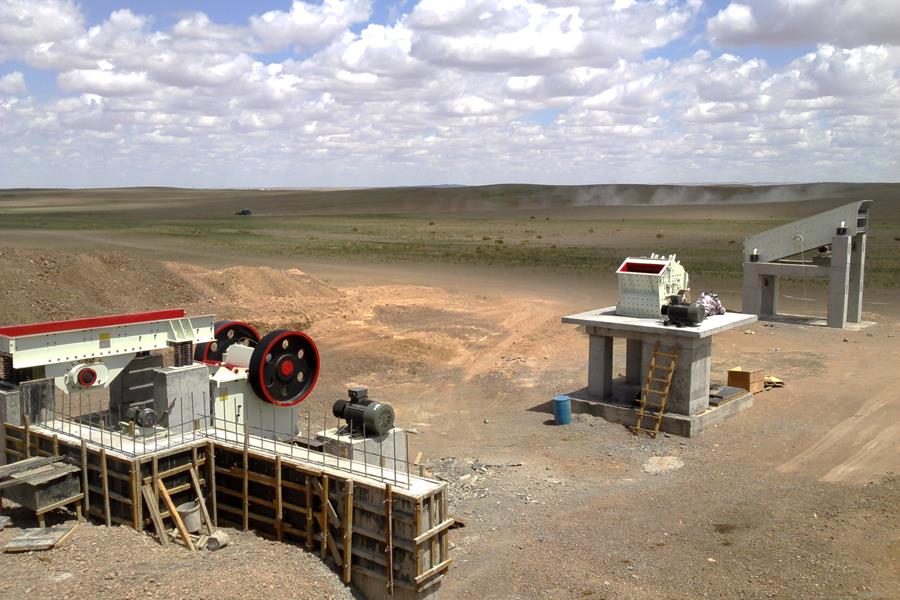
Jaw crushers serve as the primary crushing stage in a crushing line, reducing large particles with compressive strengths up to 320 MPa to sizes between 40 mm and 300 mm.
Impact crushers typically process ore or rock up to 800 mm in size, producing cubical particles. They are generally employed as the secondary crushing stage in a crushing line, though they can also function as the primary stage for smaller feed materials.
Cone crushers utilize the principle of layer crushing to form a protective layer of material. They feature reliable structure, high crushing efficiency, convenient adjustment, and economical operation, with a feed size range of 25–450 mm. Similar to impact crushers, cone crushers are commonly employed as the secondary crushing stage in crushing lines. For smaller feed materials, they can also serve as the primary crushing stage. However, the feed size for cone crushers is generally smaller than that for impact crushers.
Sand makers are suitable for crushing and shaping soft, medium-hard, and extremely hard materials. They are generally used as the final stage in crushing and sand-making production lines, with a feed size of 5–60 mm.
In addition to primary crushing equipment, auxiliary equipment such as vibrating screens, feeders, and conveyors are required to complete the configuration and operation of this production line.
(Technical parameters and other data mentioned in this article may be updated with product upgrades. Click on the website customer service to obtain the latest equipment parameter table.)
Case Study: 800t/h Sand and Gravel Aggregate Processing System
The complete equipment set for this system's process flow is supplied by OCP Heavy Industry. Primarily designed for processing natural sand and gravel aggregates, the system has a rated capacity of 800t/h. Featuring rational process design, reliable equipment configuration, high production efficiency, high yield rate, and excellent particle shape, it fully meets the requirements of the hydropower project construction.
Processed Material: River pebbles.
Product Specifications: Sand and gravel aggregates in sizes 0-5mm, 5mm-20mm, 20mm-40mm, and 40mm-80mm.
Equipment Configuration: 1 YK vibrating screen, 2 HP cone crushers, 2 vertical shaft impact crushers, 2 vibrating screens, 2 YK2475 vibrating screens, 2 sand washers, and 1 centralized control system.
(Technical parameters and data mentioned herein are subject to updates with product upgrades. Click website customer service for the latest equipment specifications.)
As a veteran manufacturer with over 40 years of mining industry production and R&D experience, OCP Heavy ensures quality, production line design, and delivery timelines for its sand making machines, crushing equipment, and screening/washing systems. The company enjoys an excellent reputation in the domestic market, with products exported to over 130 countries and regions. As a specialized sand making machine R&D manufacturer, OCP Heavy Industry prioritizes product quality and technological innovation as the foundation of corporate development. We adhere to a customer-value-oriented approach, offering customized production solutions while rigorously enforcing technical standards, quality control, and service excellence at every level. This ensures worry-free operations for clients and maximizes their value! OCP Heavy Industry can tailor sand and gravel production line solutions to your specific requirements, providing comprehensive equipment selection, installation, and commissioning services. For details, click the free online consultation button on the right!
-
What are the differences between manufactured sand and river sand
-
-
Which sand-making machine offers high output and meets environmental standards
-
-
Is the investment in pebble sand making machines substantial