
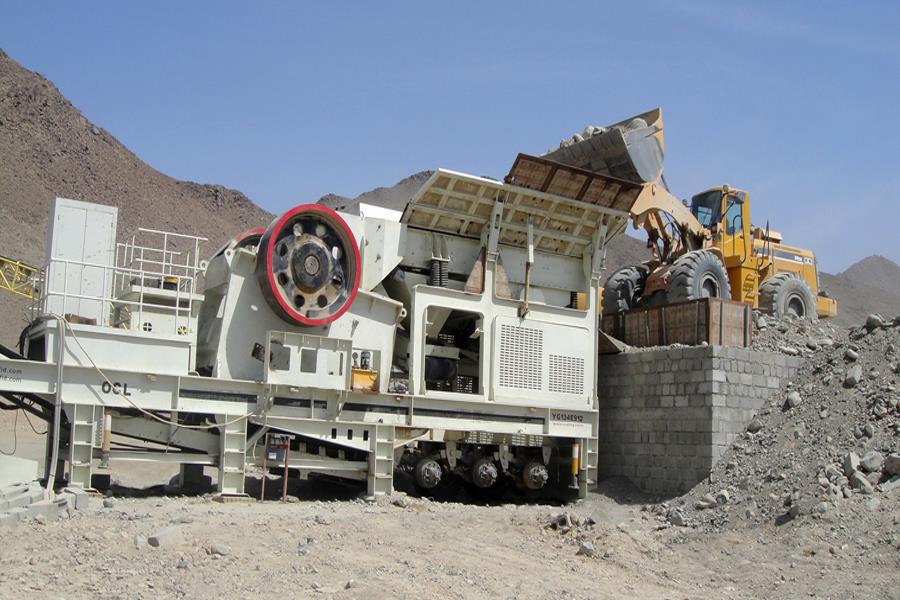
What is the hourly output of a small stone crusher? How should one select the appropriate model?
The typical process flow for a sand and gravel aggregate production line includes crushing, screening, sand making, and sand washing. Production capacity ranges from tens to thousands of tons per hour, with investment levels determined by the line's scale. A complete set of equipment for a small-scale production line includes a feeder, crusher, sand maker, vibrating screen, and belt conveyor. Generally, the output is around tens of tons per hour, requiring a lower investment that is accessible to most individual investors. Small stone crushers come in various models. Different materials require different crusher types, and each model has distinct output capacities. Below is a brief overview of crusher specifications.
Common types of small crushers include jaw crushers, impact crushers, hammer crushers, cone crushers, double-roll crushers, and composite crushers. Below is a brief introduction to some frequently used models.
1. Primary Crushing — Jaw Crusher
The jaw crusher is a common primary crushing equipment in mineral processing. Primarily used for breaking large, high-hardness ore materials, it has a processing capacity of 50–1500 t/h. This equipment features a unique crushing chamber design, superior operational characteristics, high throughput, large crushing ratio, high crushing efficiency, durability, simple installation and maintenance, and energy efficiency. It is widely applicable for coarse crushing of various materials in construction, building materials, transportation, mining, chemical, and water conservancy industries.
2. Medium and Fine Crushing — Impact Crusher
The impact crusher, commonly abbreviated as impact breaker, serves as secondary crushing equipment. It is primarily used for medium and fine crushing operations with a processing capacity of 50–1200 t/h. Operating on the principle of impact crushing, materials undergo repeated collisions between impact plates and counter plates for fragmentation. Primarily suited for soft materials like limestone, coal gangue, and weathered rock, it is commonly employed in small to medium-sized quarries. It is widely applicable for processing construction aggregates in infrastructure projects such as water conservancy, high-speed rail, building materials, and mining, as well as for medium crushing of urban construction waste.
3. Medium and Fine Crushing — Cone Crusher
The cone crusher serves as secondary crushing equipment, differing from the impact crusher by handling medium-hard and harder materials with a processing capacity of 100-2176 t/h. It employs the principle of layer compression crushing, where materials undergo layered crushing between fixed and movable liners. producing well-shaped particles. They are widely used for medium and fine crushing of various hard materials like granite, iron ore, and basalt in industries such as metallurgy, mining, sand and gravel aggregates, and cement mining.
4. Fine Crushing — Compound Crusher
The compound crusher, suitable for sand production, employs both impact and grinding mechanisms to achieve multiple crushing stages with minimal grinding. This energy-efficient design minimizes consumption, making it an ideal fine crushing solution. With a processing capacity of 8-200 t/h, it is widely applicable for fine crushing of various solvent raw materials in the steel metallurgy industry, as well as for processing medium-hard rock minerals in construction, building materials, and chemical sectors.
(Technical parameters and data mentioned herein are subject to updates with product upgrades. Click website customer service for the latest equipment specifications.)
How to Select a Small Stone Crusher?
Performance varies across different models. Generally, feed capacity, output particle size, and crushing ratio differ by model, leading to significant variations in overall production capacity. It is essential to base your selection on actual requirements (characteristics of sand-making raw materials, production capacity needs, power requirements, equipment location, output particle size, and application field of finished products). Only after confirming all aspects of your needs can the manufacturer configure a reasonable sand and gravel production line tailored to your specific situation. Therefore, the best choice is the one that suits your requirements. Once you have a general idea of the configuration and equipment types, contact manufacturers for quotes. Remember to reach out to multiple suppliers for comparison and make a well-informed decision after thorough evaluation. If you have any questions, feel free to consult us anytime—click the website chat icon for immediate free consultation.
-
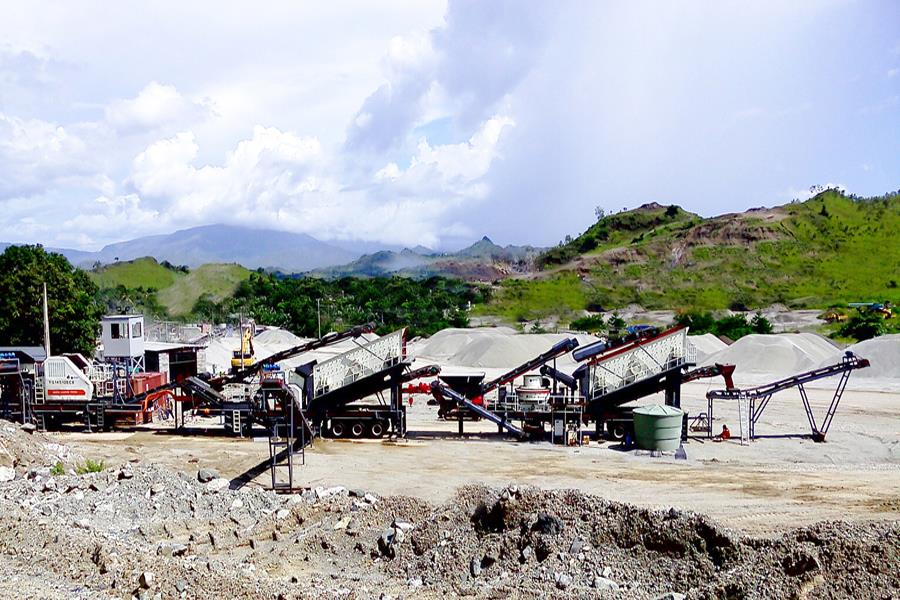
What crushing equipment is needed to produce 12mm and 13mm aggregates
-
-
-
How does the composite crusher perform in sand making? What types of stone is it suitable for?
-
What type of crusher is suitable for processing hard ores such as granite and iron ore