
Why Does the Sand Making Machine Fail to Achieve the Designated Output
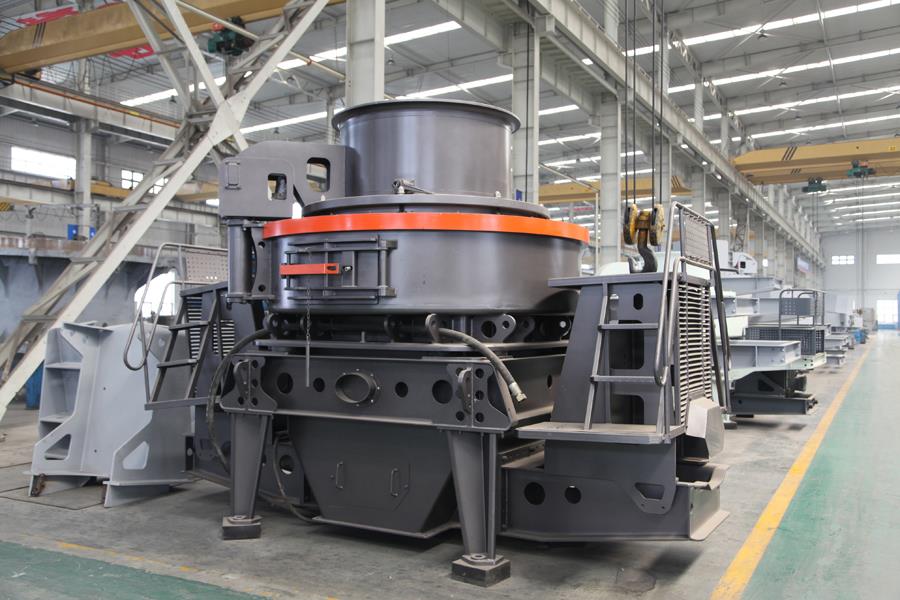
The quality of manufactured sand hinges critically on the sand making machine. However, determining which machine produces superior sand is challenging—each model suits different scenarios, and the intended application of the sand varies. The best choice is the one that fits the job. Therefore, we must not only understand the machine's model and performance but also thoroughly examine the material being processed. Recently, a customer inquired, “The sand making machine I purchased seems to be underperforming compared to the original production capacity.” Why is this happening? Before jumping to conclusions about the machine itself, let's conduct a comprehensive analysis to see if any of the following issues might be the cause.
1. Differences in Crushed Materials. Variations in hardness, viscosity, moisture content, and other properties among different materials will affect the sand output of the machine during crushing.
2. Finished sand fineness requirements. Higher fineness specifications—demanding finer particles—reduce sand-making capacity. This relates to the user's particle size and output requirements.
3. Model variations. Different manufacturers produce sand-making machines with distinct models, each offering unique output rates and energy consumption during operation. Users should thoroughly understand their production requirements before purchasing equipment to select an appropriate sand-making machine. Failure to do so may not only reduce output but also incur higher operational costs.
4. Proper operation and regular maintenance. Adhering to standard operating procedures and performing routine maintenance are crucial for sand-making machines, directly impacting output. Continuous and uniform feeding significantly affects crushing efficiency. Consistent, even feeding ensures stable production while boosting productivity. Non-standard operation and lack of regular maintenance accelerate wear on vulnerable parts, drastically shortening equipment lifespan and reducing output.
5. Sand-making machine quality. High-quality machines are not only energy-efficient and environmentally friendly but also reliably achieve target output. Reputable manufacturers utilize advanced wear-resistant materials and leading production technologies to deliver equipment that meets user requirements.
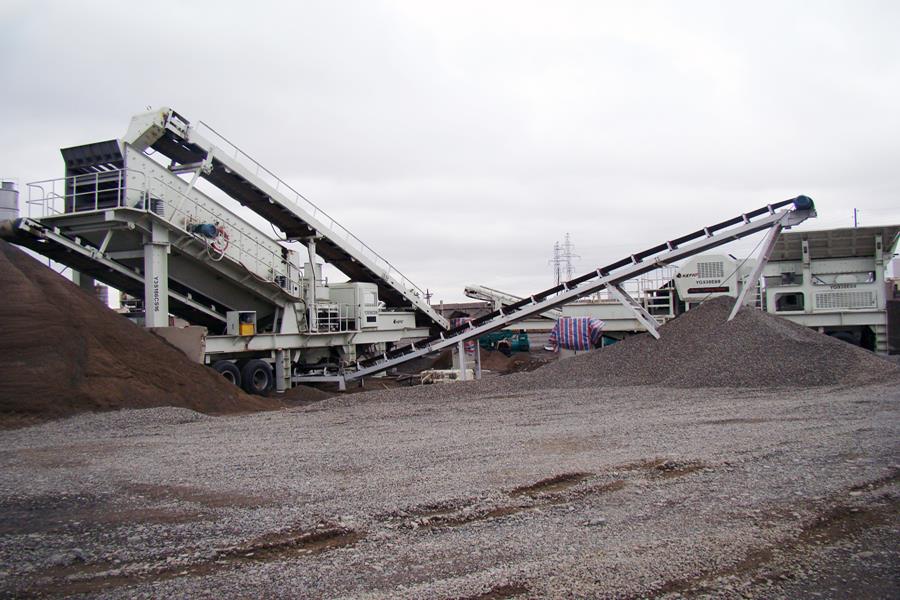
6. Design of the sand production line. Final output depends on the entire production line configuration. For instance, if a 500 t/h output is required, it's not sufficient for the sand maker alone to achieve 500 t/h. The processing capacity of preceding equipment like jaw crushers, cone crushers, and belt conveyors must also be matched accordingly. Otherwise, the final output will inevitably fall short. A production line's configuration must comprehensively consider all factors to meet production demands.
7. Impact of rotor speed. Continuous material feed into the high-speed rotating rotor accelerates to form a steady stream of dynamic material flow. Within the vortex chamber, this flow undergoes high-speed compression, grinding, and crushing, enabling continuous production.
8. Impact of operating parameters and operational factors. The performance and structural characteristics of sand makers significantly influence crushing efficiency. Key factors include the type and specifications of the sand maker, the economic rationality of installed power, the adjustable speed range, the size of the discharge opening, and the configuration of the crushing chamber.
Failure to achieve the intended output capacity is often closely related to the above eight factors. Users should comprehensively consider their production requirements when selecting equipment to identify the most suitable crushing solution for their materials. Therefore, clearly articulating your specific needs is essential during equipment selection, enabling manufacturers to configure equipment and design production lines tailored to your requirements. With over 40 years of experience in R&D, manufacturing, and production of crushing equipment, OCP Heavy Industry offers factory-direct pricing with competitive advantages. Our professional engineering team provides expert production guidance. Submit your production requirements to our online customer service for customized configuration proposals and cost estimates! We also welcome visits to our facility for on-site inspections and consultations regarding crushing equipment!
-
-
-
Newcomers to sand production lines should start by understanding these key aspects
-
What types of crushing equipment are used for recycling construction waste
-
What are the performance advantages of single-cylinder hydraulic cone crushers