
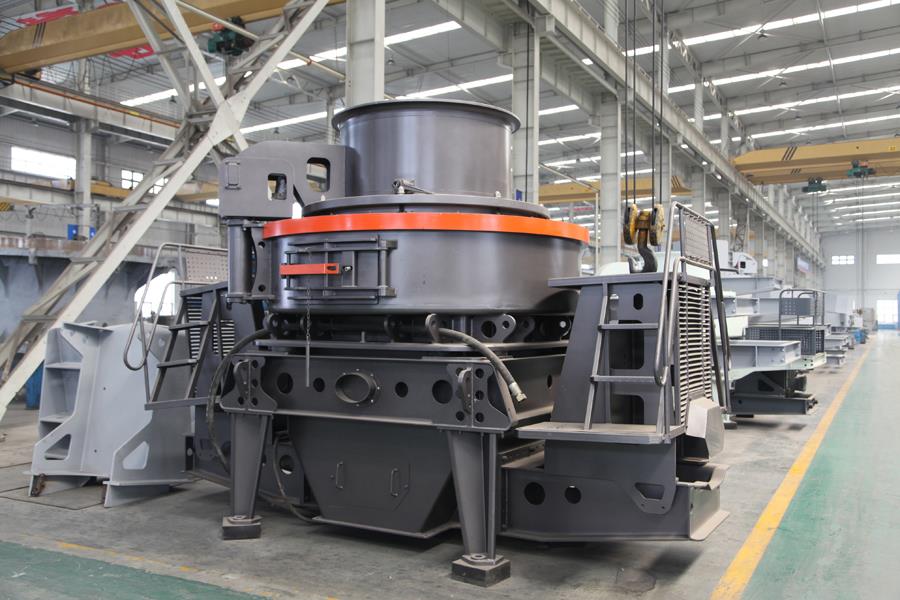
What types of crushing equipment are used for recycling construction waste
What is construction waste? Construction waste refers to the collective term for debris, waste concrete, discarded bricks and stones, and other discarded materials generated during construction industry activities such as demolition, construction, renovation, and repair. By source, construction waste can be categorized into construction soil, renovation debris, demolition waste, and construction slurry. By composition, it includes soil, concrete chunks, crushed stones, broken bricks and tiles, waste mortar, slurry, asphalt chunks, waste plastics, scrap metals, and discarded bamboo and wood.
Where can construction waste be utilized?
1. Bricks and tiles can be screened and crushed in stages to produce recycled aggregate for low-strength recycled aggregate concrete. This material is suitable for foundation reinforcement, road base layers, hollow bricks, and permeable bricks.
2. Waste wood can be reused as formwork or construction lumber. Alternatively, it can be shredded into chips for paper production or fuel.
3. Scrap steel bars, nails, screws, etc., can be sorted and returned to steel mills for re-melting.
During the uniform feeding of construction waste to the crusher via the feeder, an iron removal device is installed on the conveyor belt. This device uses magnetic force to attract non-crushable materials like nails and steel bars embedded within the waste, which are then sent to the crusher for pulverization. After primary crushing, the secondary crushing stage processes materials according to the required final particle size. Output material should meet specified quality standards. Washing and impurity removal are typically positioned at the end of the process to enhance material quality. Adding a sand washer generally suffices; material washed by this equipment achieves uniform particle size, meeting recycled aggregate sand standards.
A fixed construction waste crushing production line involves a waste management enterprise designating a fixed area to construct permanent infrastructure and install stationary equipment for centralized waste processing.
This traditional approach offers high processing capacity and adapts to complex waste compositions. It is suitable when construction debris contains diverse, intricate components or when on-site crushing space is limited. The fixed series offers numerous construction waste recycling equipment options, including jaw crushers, impact crushers, hammer crushers, cone crushers, and double-roll crushers. These can accommodate both small and large production capacities (e.g., 50 t/h, 100 t/h, 300 t/h, 500 t/h, 1000 t/h).
Mobile construction waste crushers utilize a combination of mobile crushing stations and mobile screening stations to process waste on-site at the point of generation. This approach is suitable for relatively homogeneous waste streams, such as scrap concrete, discarded bricks, and road asphalt concrete waste. The advantage of this approach lies in its targeted, on-site processing capability. Given that construction waste generation points are dispersed and produce relatively small volumes, mobile construction waste crushers are particularly well-suited for scenarios involving long-term waste generation over large areas. They can promptly follow demolition progress for timely crushing, effectively mitigating secondary pollution and unnecessary transportation costs associated with waste transfer. The mobile series of construction waste recycling equipment comes in both tire-mounted and track-mounted configurations, offering excellent mobility—ideal for construction waste management. Each unit integrates four core systems: conveying, screening, feeding, and crushing. They can operate independently or in multi-unit configurations, simplifying waste processing. This eliminates the need for long-distance material transport, minimizes footprint, and reduces costs.
For further inquiries regarding comprehensive construction waste utilization or mobile crushing stations, we welcome visits to OCP Heavy Industry's facilities to inspect our plants and crushers. Consult our experts on crusher selection and production line design—our professionals will recommend suitable crushers and tailor production lines based on your material properties and regional production characteristics. Click for online consultation, and our customer service team will provide expert guidance!
-
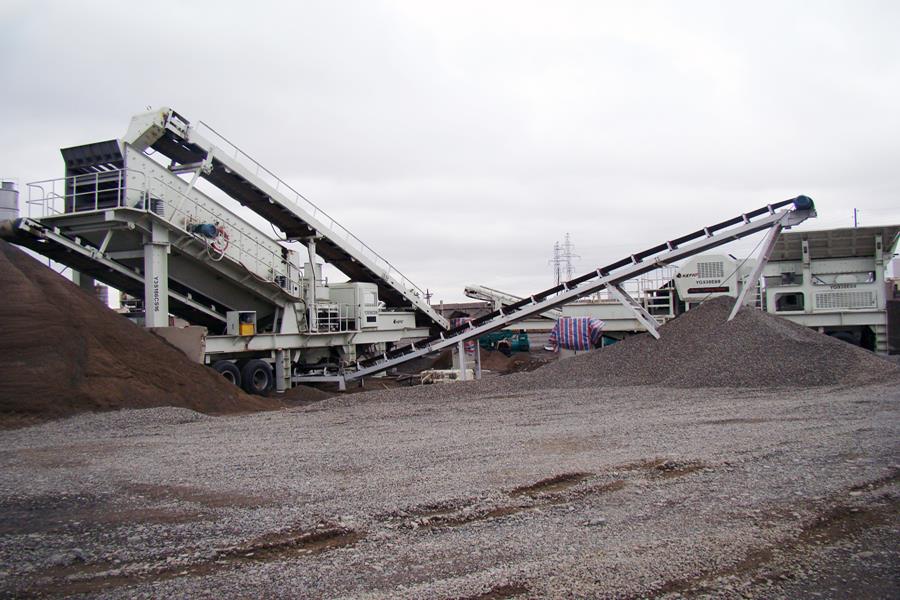
What are the performance advantages of single-cylinder hydraulic cone crushers
-
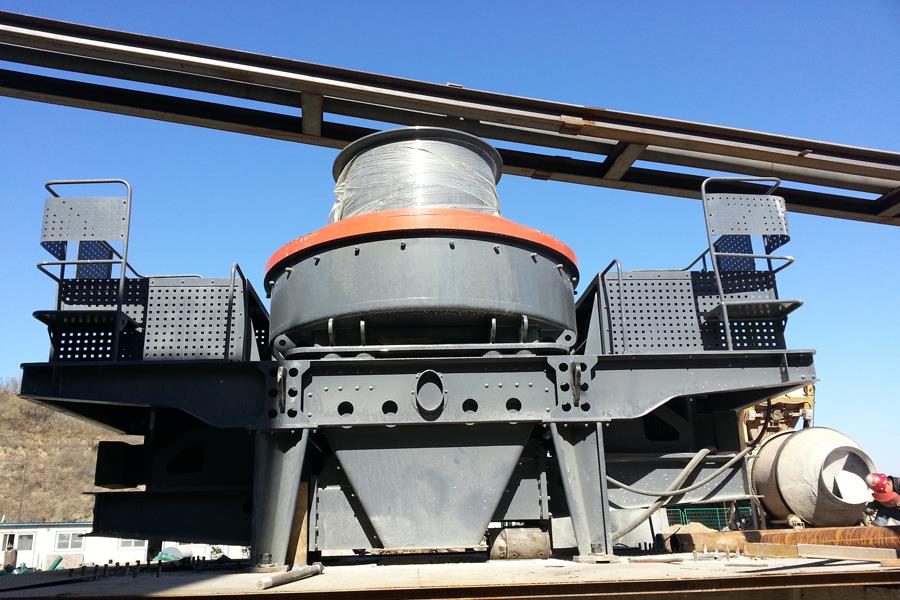
How to configure crushing equipment for a sand and gravel production line
-
-
-
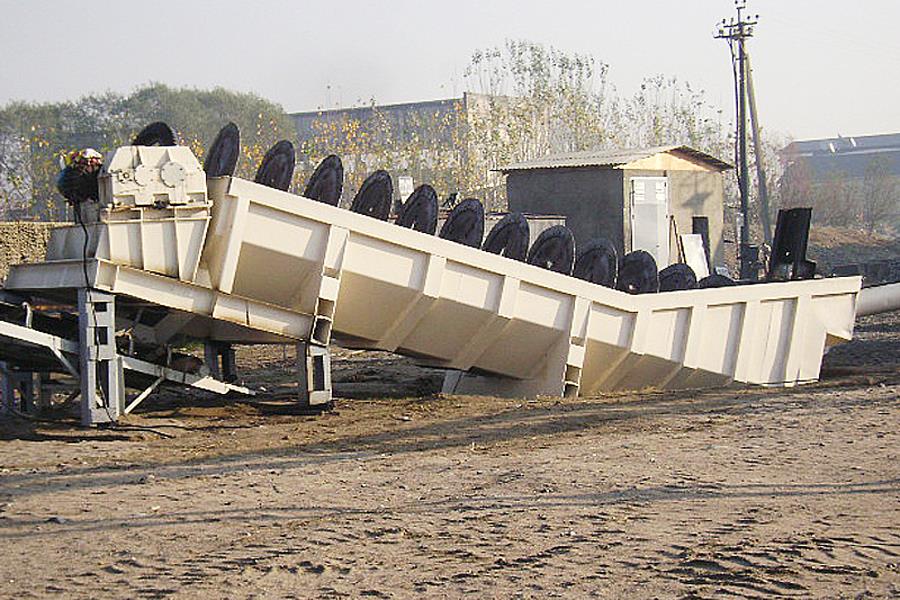
Which sand-making machine is best as the core equipment for a sand production line