
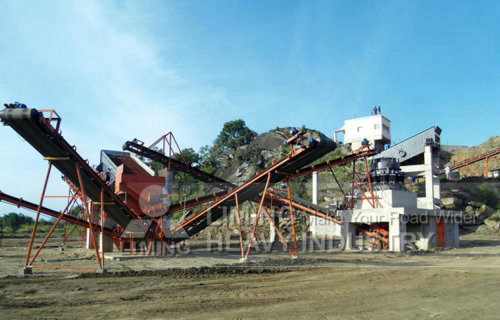
Common System Components of Mobile Crushing Plants
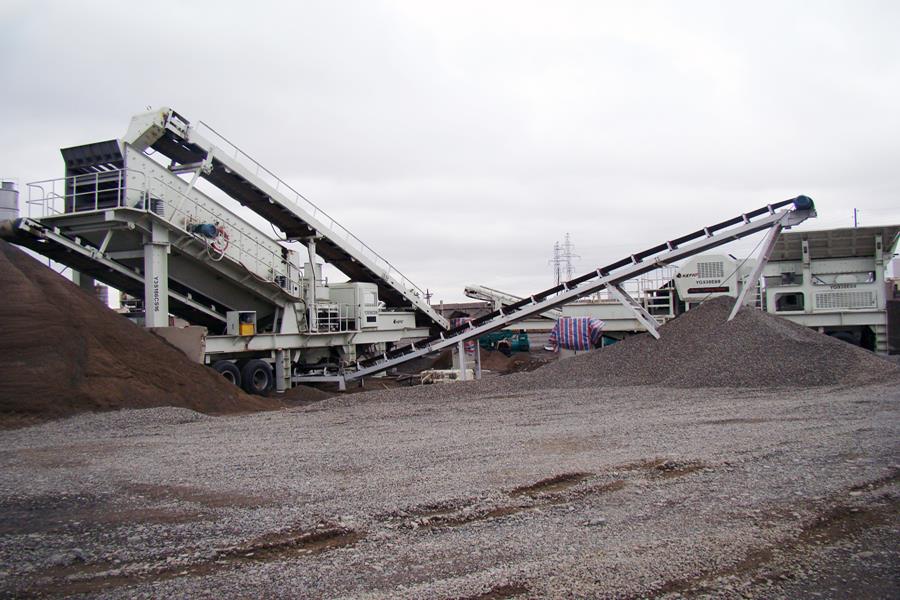
As a “mobile” crushing production line, mobile crushing plants offer greater flexibility and convenience compared to fixed production lines, while also being environmentally friendly and energy-efficient. They are integrated, movable crushers comprising crushing systems, feeding systems, screening systems, and conveying systems. The structural composition of a mobile crushing plant is closely related to its production capacity, investment cost, and crushing efficiency. Here is a detailed introduction to the structural components of a mobile crushing plant:
1. Mobility System.
Mobile crushers commonly employ two configurations: tire-mounted and track-mounted. Tire-mounted plants feature shorter lengths and suit level terrain, while track-mounted units offer lower ground pressure, superior stability, and enhanced mobility. They can traverse rugged mountainous terrain smoothly. Both configurations deliver exceptional flexibility and reliability, significantly reducing time, labor, and material costs.
2. Feeding System.
The feeding system of a mobile crusher is responsible for delivering raw materials to the crusher and screening equipment. Feeding methods vary depending on the specific crushing and screening process flow. An independent feeder is typically installed before the primary crusher inlet. This feeds rock material extracted from the quarry into the primary crusher at a controlled rate and speed. For high-capacity operations, heavy-duty plate feeders are suitable, as they can handle larger feed sizes. For finer material, belt feeders (i.e., shorter belt conveyors) are preferred. For lower output requirements, reciprocating feeders are more commonly employed. Vibrating feeders may also be used when handling smaller material sizes. In mobile crushing plants, this component is typically not configured as a separate feeding unit. Instead, the standard configuration for a mobile crushing station is a combination of feeder + main equipment (crusher).
3. Crushing System.
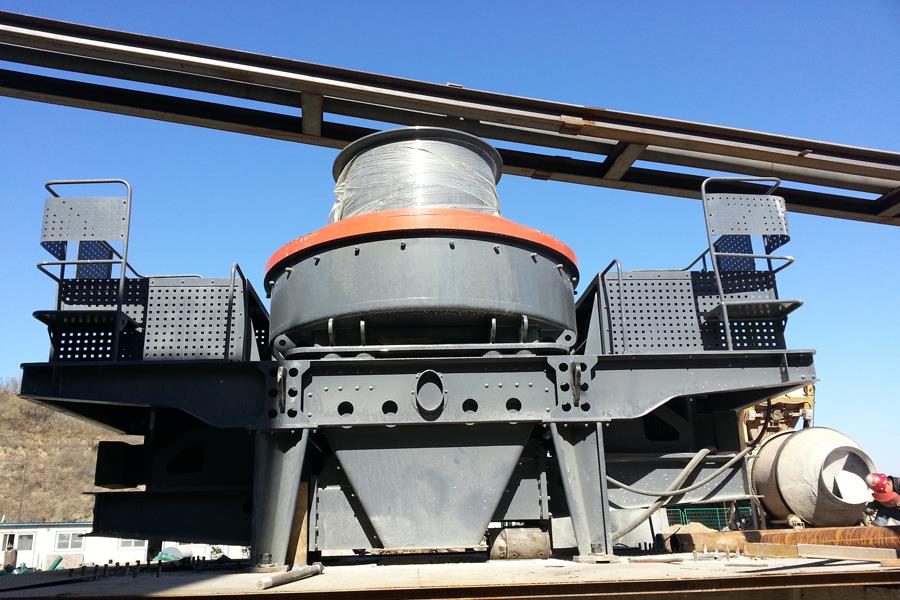
The crushing system is the core component of the mobile crushing plant, primarily responsible for reducing rock into various sizes of crushed aggregate. It consists of crushers with differing performance characteristics. In most mobile units, the primary crushing stage typically employs a jaw crusher. Key advantages of this crusher include high crushing efficiency, substantial output, excellent crushing results, high load capacity, and reliable operation. When rock hardness is lower, heavy-duty hammer crushers are often employed as primary crushers. Due to their low energy consumption and high crushing ratio, they can simplify process flows and, in some applications, replace jaw crushers. In the main equipment of mobile crushing plants, cone crushers and impact crushers are predominantly used for medium and fine crushing stages. For extremely hard materials, multi-cylinder hydraulic cone crushers or single-cylinder hydraulic cone crushers may be employed; for softer materials, impact crushers are suitable. For the sand-making stage in the main equipment of mobile crushing plants, vertical impact crushers, vertical shaft impact crushers, and vertical composite crushers are commonly used. This series of equipment is primarily employed for fine crushing and sand making, producing high-quality finished particle sizes.
3. Screening System.
The screening system of mobile crushers classifies crushed aggregates by particle size for further processing. Mobile crushing and screening equipment incorporates various screen types, each performing distinct screening tasks. A pre-screen is installed before the primary crushing stage to separate smaller particles, reducing over-crushing and enhancing productivity. Typically, a fixed-mesh screen fulfills this function. When the undersize fraction at the feed inlet is high, a vibrating screen should be employed. Some vibrating feeders incorporate screens at their discharge points, simplifying the overall equipment configuration. The medium and fine crushing stages often operate in closed-circuit processes, requiring both pre-screening and check screening. In mobile equipment, to minimize the number of screens, pre-screening and check screening are frequently combined into a single unit, which also handles final product grading. Therefore, multi-deck circular vibrating screens are commonly employed.
Click our website's online customer service for details and quotes on mobile crushers. Our professional technicians will provide detailed quotations, free customized production line solutions, and offer guidance on factory setup procedures, investment cost-profit analysis, market analysis, and more.
-
-
Newcomers to sand production lines should start by understanding these key aspects
-
What types of crushing equipment are used for recycling construction waste
-
What are the performance advantages of single-cylinder hydraulic cone crushers
-
How to configure crushing equipment for a sand and gravel production line