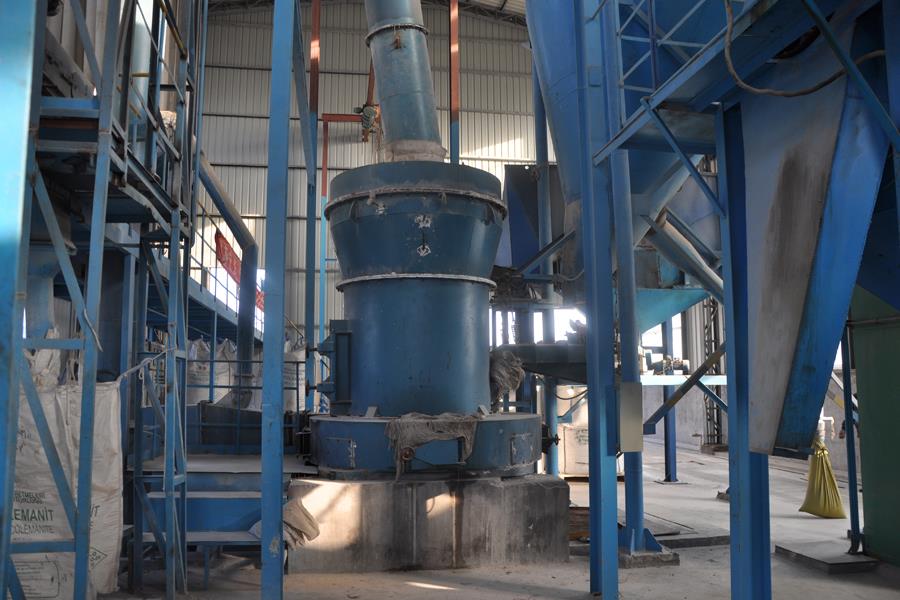
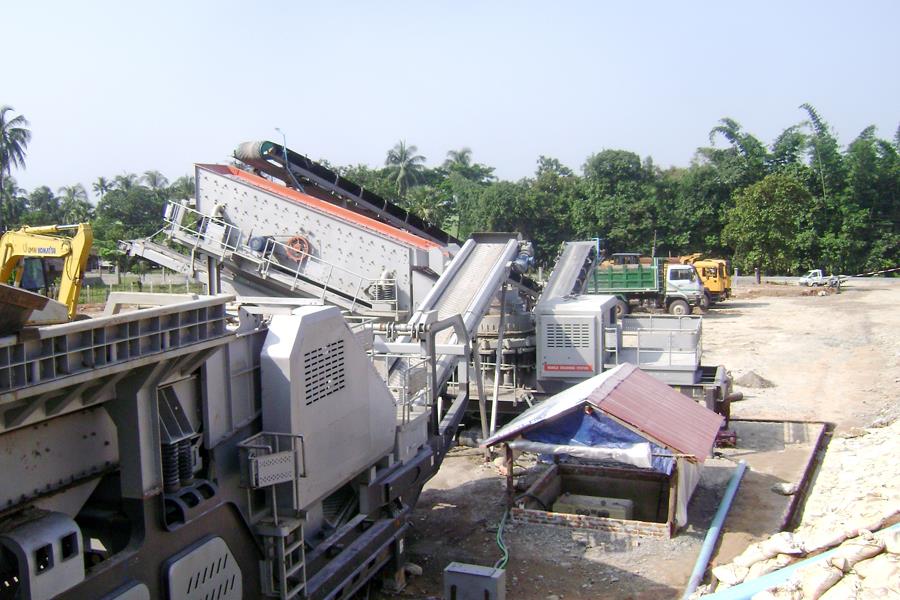
Newcomers to sand production lines should start by understanding these key aspects
If you can establish a reasonably configured, environmentally friendly production line early on, select eco-friendly and efficient crushing and sand-making equipment, and produce high-quality manufactured sand, sales will not be an issue later on, with excellent prospects. Many investors have recognized the promising future of manufactured sand and wish to join the sand and gravel industry. Since every field is a different world, where should novice investors begin their understanding?
A. Environmental Protection
National environmental regulations for sand plants are stringent. Many facilities have been forced to suspend operations due to non-compliance. Therefore, when selecting equipment, prioritize models that align with green environmental standards and meet emission limits for dust, noise, and other pollutants. Dust, noise, and wastewater treatment are critical environmental compliance aspects in sand production lines. How should we address these?
1. Design a rational production line: Implement enclosed production lines to suppress dust and incorporate dust collectors into the process.
2. For noise pollution, select high-quality, low-noise equipment to meet environmental standards.
3. Plant vegetation around the production line to reduce noise and dust.
4. For wastewater, classify it as domestic sewage or stone processing effluent. After classification, treat it through specific systems for reuse as production water.
Based on these four environmental requirements, it's clear that site selection for sand production lines is critical. Topography, surroundings, and wastewater discharge all impact the line's environmental performance.
B. Equipment Selection
When purchasing machinery, I believe the foremost priority is selecting processing equipment that suits your needs. So how can we find the right equipment? First, we must clearly define our requirements, such as: processing materials, production capacity, output specifications, and applicable regions. After clarifying these needs, we should also review relevant materials to understand market conditions and processing workflows. Second, contact multiple manufacturers and have them configure suitable equipment and production lines based on your requirements. Combine this with your prior research to determine the equipment types and general production line layout.
C. Manufacturer Selection
After determining the equipment and production line, the next step is selecting a manufacturer. With countless manufacturers in the market, equipment quality varies significantly. It is essential to contact multiple manufacturers for comparison, evaluating factors such as quotations for the required equipment, equipment quality, manufacturer reputation, factory conditions, and pre-sales/after-sales service.
1. Price. Examine whether prices vary significantly. When substantial price differences exist, clarify the underlying advantages and disadvantages. For instance, if one manufacturer offers an unusually high price, it likely possesses unique advantages over competitors. However, you must determine whether these advantages significantly impact your needs. If the superior features are unnecessary for your application, there is no need to pay a premium for that equipment. Conversely, if those features align precisely with your requirements, they should be appropriately considered. “You get what you pay for” is a timeless principle. Therefore, extremely low-priced equipment is generally not recommended. After all, R&D costs, material costs, and technical costs are fixed expenses. Equipment priced unusually low is unlikely to guarantee quality in these areas.
2. Manufacturer Brand. Established brands possess years of production and processing expertise. A company that has endured over time is a testament to its selection by numerous industry users—a “cream of the crop” surviving market competition. Such manufacturers naturally guarantee sand-making machine quality. Veteran brands have collaborated on countless sand-making production lines over the years, accumulating extensive project experience. Their upgraded equipment, built upon this foundation, better meets current market demands. Major sand-making machine manufacturers typically offer a diverse range of equipment options and can provide customized solutions tailored to your requirements. Take OCP Heavy Industry as an example: with large-scale production capacity and a comprehensive range of sand-making equipment, they deliver one-stop service to meet all your needs. Purchasing complete sets doubles your savings, eliminating the hassle of sourcing from multiple suppliers and saving both time and money.
3. Manufacturer After-Sales Service. While sand making machine quality is paramount, the manufacturer's after-sales service quality is equally critical, directly impacting the production line's lifespan and efficiency. Unrepaired equipment failures, difficult spare part replacements, and prolonged downtime for repairs can lead to cumulative, immeasurable losses. So, what defines an expert manufacturer in this regard? First, the manufacturer implements a regular follow-up system. Engineers conduct on-site equipment inspections and maintenance guidance at regular intervals, ensuring stable operation and minimizing unexpected shutdowns. Second, the manufacturer possesses a comprehensive production chain capable of supplying genuine spare parts. Original equipment parts enhance compatibility and reduce repair time costs, allowing worry-free production of manufactured sand.
After 40 years of dedicated exploration, OCP Heavy Industry has established a comprehensive service system and cultivated an experienced service team. We not only provide free production line planning and flowchart design but also offer professional technical training, followed by on-site installation and commissioning. OCP Heavy Industry operates as a factory-direct manufacturer with modern production facilities. Backed by robust capabilities, meticulous material sourcing, and mature manufacturing processes, we maintain stock of large-scale sand-making equipment. We offer a diverse range of crushers and sand-making machines at factory-direct pricing. For inquiries, consult online to schedule a tour of our production workshops and factory premises!
-
What types of crushing equipment are used for recycling construction waste
-
What are the performance advantages of single-cylinder hydraulic cone crushers
-
How to configure crushing equipment for a sand and gravel production line
-
-