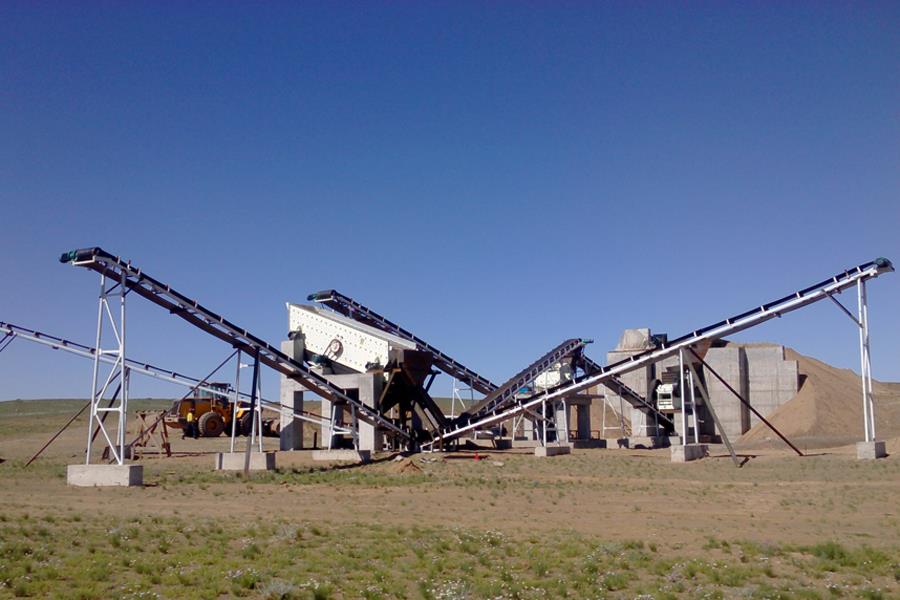
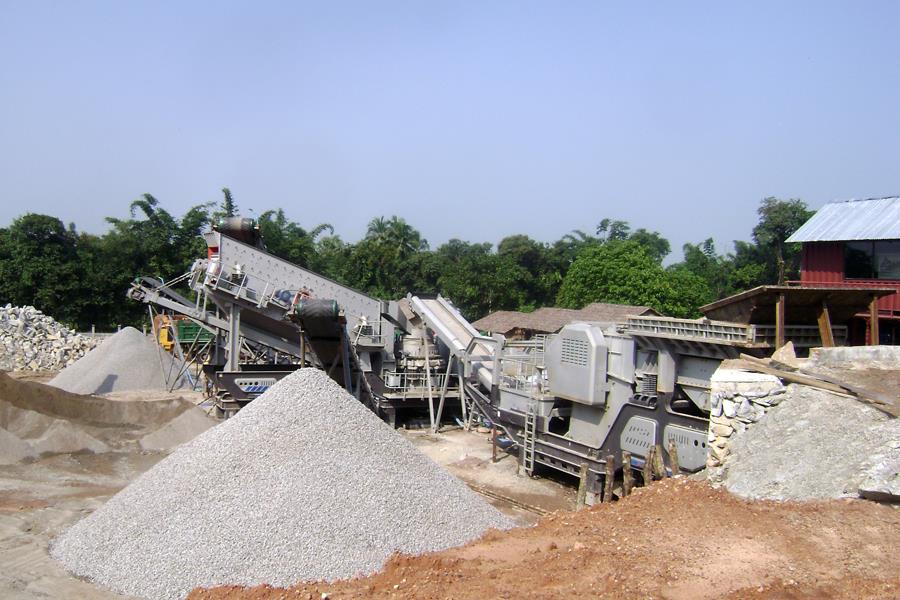
Which is better to choose: tire-mounted mobile crushing stations or track-mounted mobile crushing stations?
Construction waste primarily consists of concrete, mortar, bricks, steel bars, and soil, along with other lightweight materials such as wood and plastic from renovation and decoration. From a circular economy perspective, construction waste is not “garbage” but a valuable resource. Traditional disposal methods represent a waste of resources. Therefore, recycling construction waste promotes resource circulation, conserves resources and energy, protects the environment, and yields significant social, environmental, and economic benefits. Construction waste treatment methods generally fall into two categories: the first involves establishing new waste disposal sites for burial or dumping; the second entails recycling construction waste using specialized equipment to crush and process it into reusable building materials. This recycling process relies on construction waste crushing and screening production lines.
The conversion rate of construction waste into aggregate can reach 85%. One ton of construction waste can yield 0.85 tons of recycled aggregate, 0.01 tons of scrap steel, with the remainder being other waste. The selling price of recycled aggregate is approximately 60% of natural sand and gravel materials, effectively reducing construction costs by over 40% and offering significant cost advantages. Based on current market standards, the price is about 30 yuan per ton. Furthermore, recycled aggregate from construction waste can be used to produce recycled concrete with strengths below C30 (concrete compressive strength), recycled eco-friendly permeable bricks and blocks, and recycled dry-mix mortar. These recycled products not only meet strength requirements but also offer good permeability and high cost-effectiveness. As market demand for sand and gravel aggregates grows increasingly urgent, mobile crushers—known for their flexible relocation and convenient mobility—are gradually gaining widespread acceptance. Currently, mobile crushers are primarily categorized into tire-mounted and track-mounted types. Beyond their mobility differences, what are their key distinctions?
1. The hydraulic drive system of track-mounted mobile crushing and screening stations provides a reliable, stable, and economical power source for equipment operation, ensuring continuous production. Additionally, track stations feature tank-like free-moving capabilities, offering superior adaptability to mountainous and wetland terrains compared to wheeled models. Their ability to climb slopes makes them ideal for harsh environments like mining operations and open-pit coal extraction. The entire unit utilizes domestically produced high-performance engines with dual fuel (diesel/electric) capability, achieving an optimal balance between equipment power and fuel efficiency for broader application. The YD series tire-mounted mobile crushing plant is better suited for flat terrain, capable of freely traveling on roads. Given that urban construction waste sites are often non-fixed and limited in area, the semi-trailer design driven by standard trailers offers excellent maneuverability and flexibility. Customized unit configurations can also be provided to meet specific client requirements.
2. Regarding mobility, tire-mounted mobile crushers are less agile than tracked models. Tracked crushers can be termed “fully automatic” mobile crushers, while tire-mounted units are considered “semi-automatic.” This distinction arises because tire-mounted crushers require a semi-trailer tractor for relocation, though they feature a small turning radius, cause minimal road damage, and navigate smoothly on standard highways and within work zones. Crawler-type units, however, require only wireless remote control with a “one-button operation” to turn on the spot or move forward. This makes it extremely easy to load the crusher onto a trailer and transport it to the work site.
3. Regarding operational efficiency: During operation, tire-mounted mobile crushing plants secure the frame below, ensuring overall stability. This stability allows for the installation of large crushing equipment, enabling efficient processing of oversized materials. Conversely, track-mounted crushers exhibit weaker stability, resulting in lower crushing efficiency compared to tire-mounted models.
4. Regarding cost differences, track-mounted mobile crushers are more technologically advanced than tire-mounted ones, featuring hydraulic systems and grid power for greater convenience. However, their operational costs in actual production are higher, making them more expensive than tire-mounted mobile crushing stations.
Regardless of the chosen crushing station, both types offer exceptional adaptability. OCP Heavy Industry's mobile crushing stations have been deployed across multiple regions. Undoubtedly, the deployment of mobile crushing stations will significantly advance the construction waste recycling industry.
-
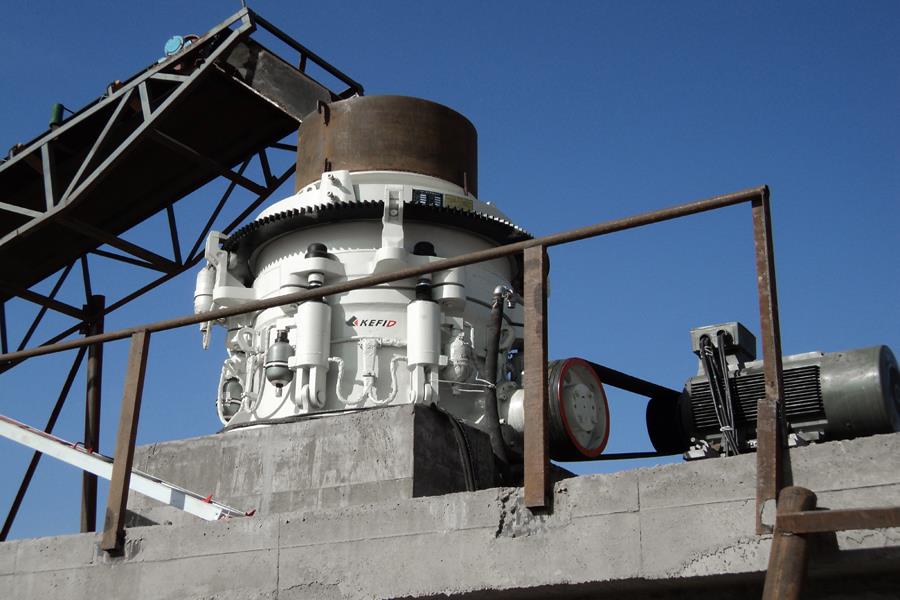
Essential Knowledge: How the Hydraulic Protection Device of Jaw Crushers Works
-
-
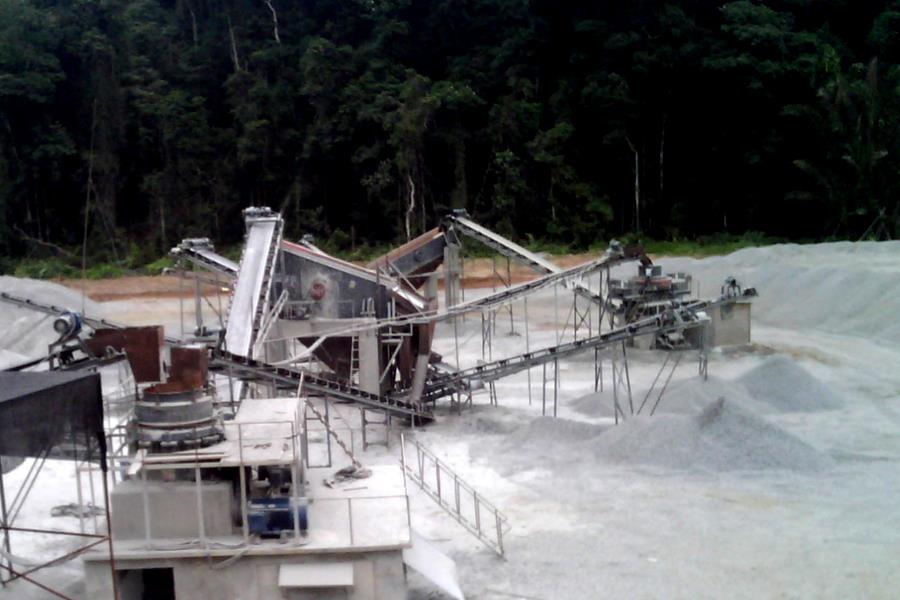
Principles and Process Flow for Sand Production Line Configuration
-
-