What materials can a composite crusher process
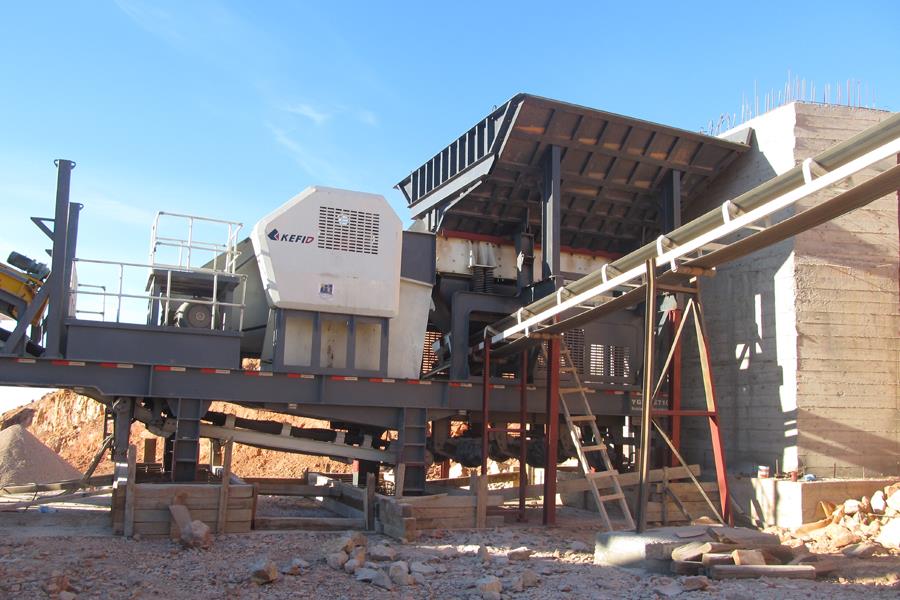
A composite crusher, also known as a sand-making machine, differs from a vertical impact crusher in that it has a larger feed size, finer output, and less dust. Composite crushers are commonly used in small-scale crushing production lines and can meet sand particle size standards, making them suitable not only for crushing but also for small-scale sand-making operations. Composite crushers are available in various models. A 200-ton-per-hour composite crusher is commonly used in medium and small-scale stone crushing production lines. It is suitable for crushing limestone, clinker, coal, and other minerals in the construction, mining, metallurgy, and chemical industries, particularly for processing hard limestone, dolomite, granite, basalt, and other materials for artificial sand production or highway pavement aggregates.
The composite crusher is a fine crushing machine without screen bars and can be adjusted. It is commonly used in crushing production lines and sand-making production lines. It primarily consists of a frame, transmission system, moving cone, lubrication system, and hydraulic system. The composite crusher has high-efficiency crushing capabilities for hard materials such as shale, glass, ceramics, bluestone, and metal ores, particularly in applications involving artificial sand and metal ores. The plate hammers and rotor of the composite crusher are rigidly connected, and the inertia of the entire rotor is utilised to impact the material, achieving higher velocity and kinetic energy, thereby facilitating crushing and reducing energy consumption.
Material is vertically fed into the high-speed rotating impeller from the top of the machine. Under the influence of high-speed centrifugal force, it collides and crushes with another portion of material diverted in an umbrella-shaped pattern around the impeller. After colliding with each other, the material forms a vortex between the impeller and the machine shell, undergoing multiple collisions and friction, resulting in further crushing. The crushed material is then discharged directly from the bottom, forming a closed-loop multiple-cycle system, with the final particle size controlled by screening equipment.
Main applications: The composite crusher (composite breaker) series is suitable for crushing limestone, clinker, coal, and other minerals in the building materials, mining, metallurgy, and chemical industries, with a compressive strength not exceeding 140 MPa and moisture content not exceeding 15%.
The composite crusher is a commonly used crushing equipment. There are numerous manufacturers in the market with varying prices. It is recommended to consider both price and quality, as well as after-sales service. Choosing a large-scale composite crusher manufacturer not only offers competitive prices but also ensures equipment quality. Our company manufactures various types of mineral crushers. Please click on the website customer service for free consultation, available 24/7.
-
Important Notes for the Use of Multi-Cylinder Hydraulic Cone Crushers
-
Structural and Technical Analysis of Multi-Cylinder Hydraulic Cone Crushers
-
Advantages and Disadvantages of Multi-Cylinder Hydraulic Cone Crushers
-
Important Considerations for Installing the Eccentric Sleeve of a Cone Crusher
-