
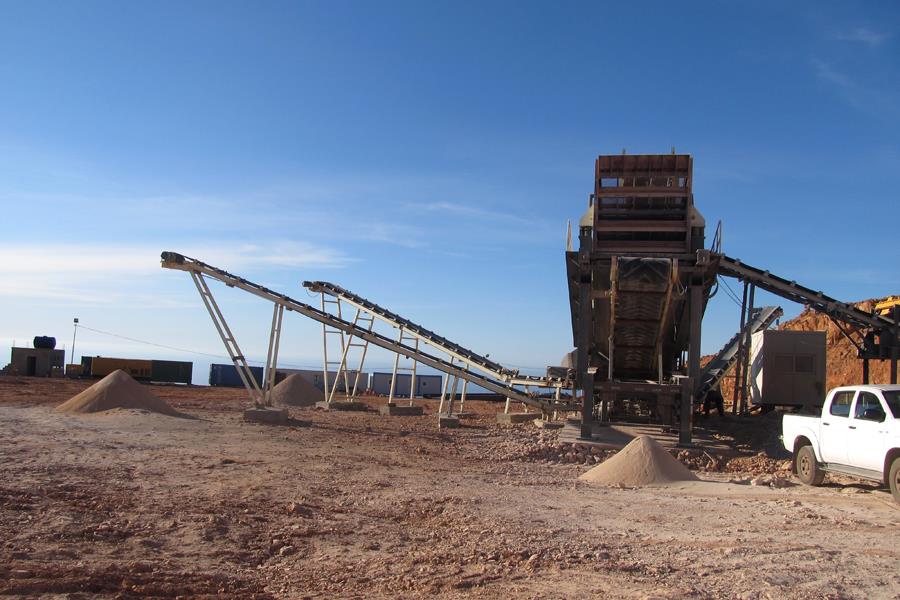
What are the advantages of using a cone crusher for crushing granite
Granite features a dense structure, high compressive strength, low water absorption, high surface hardness, excellent chemical stability, and strong durability. With a high hardness of approximately 6 on the Mohs scale, its compressive strength ranges from 100 to 300 MPa, while fine-grained granite can exceed 300 MPa. Flexural strength typically falls between 10 and 30 MPa. Granite commonly occurs as intrusive bodies, stockworks, or massive blocks, shaped by regional tectonics. These formations are typically large-scale and widely distributed, facilitating easy extraction and yielding substantial blocks. Its well-developed, regular jointing patterns also aid in quarrying uniformly shaped stone. Granite boasts high yield rates, accommodates diverse processing methods, and offers excellent panel compatibility. Additionally, granite resists weathering, making it suitable for outdoor decorative applications. Granite features uniform texture and grain patterns. While predominantly light-colored, it offers a rich palette including red, white, yellow, green, black, purple, brown, beige, blue, and more. Its color variations are relatively consistent, making it suitable for large-scale applications. Due to its unique physical and chemical stability, granite serves as an ideal material in construction, building materials, and decoration.
(Technical parameters and data mentioned herein may be updated with product upgrades. Click website customer service for the latest equipment specifications.)
I. Can cone crushers be used in granite crushing processes?
Granite is a high-hardness mineral that causes significant wear on various crushing equipment. Using standard equipment would result in excessively high production costs and reduced profits. In contrast, cone crushers offer a high crushing ratio, large production capacity, high efficiency, advanced automation, and low energy consumption during operation. They ensure uniform product particle size that meets customer requirements, making them suitable for medium and fine crushing applications. Therefore, compared to other equipment, cone crushers are more suitable for granite crushing processes.
II. What are the advantages of using cone crushers for granite crushing?
1. Excellent particle shape: Materials processed by cone crushers utilizing the layer compression crushing principle break down elongated and flattened particles first. This results in well-formed, uniformly sized particles with high utilization rates.
2. High production efficiency: Cone crushers come in medium and fine crushing models, each offering multiple cavity options. Adjusting the eccentricity accommodates varying production conditions. Adjusting the drive shaft speed also enables product gradation control, maximizing equipment value and significantly boosting crushing production efficiency.
3. High Automation: The automated control system provides overload protection, iron protection, and cavity stability during crushing. It monitors parameters like oil temperature, flow, pressure, load, and feed opening size in real time, ensuring reliable operation.
4. High Load Capacity: An optimized reinforced frame structure, a “simply supported beam” main shaft design with dual-end support, a dynamic pressure lubricated bronze bushing system, and a sensitive, reliable overload protection system ensure long-term stable operation when crushing hard minerals and rocks.
5. Low Operating Costs: Specially designed crushing chamber geometry and liner materials enhance liner utilization and durability. The standard positive pressure dust-proof system maintains lubricant cleanliness, extending oil service life and reducing frequent oil changes, thereby lowering labor maintenance costs. Most components can be assembled/disassembled from the top and sides of the equipment, ensuring safer, more convenient, and efficient maintenance.
OCP specializes in developing and manufacturing complete sets of equipment for crushing, screening, grinding, washing, feeding, conveying, environmental protection, dust removal, as well as steel, metallurgy, and steel slag processing and recycling. Our products are widely used in the crushing and processing of metals, non-metallic minerals, energy raw materials, and metallurgical waste residues within the steel and metallurgical sectors. Click the website customer service for immediate free consultation, available 24/7.
-
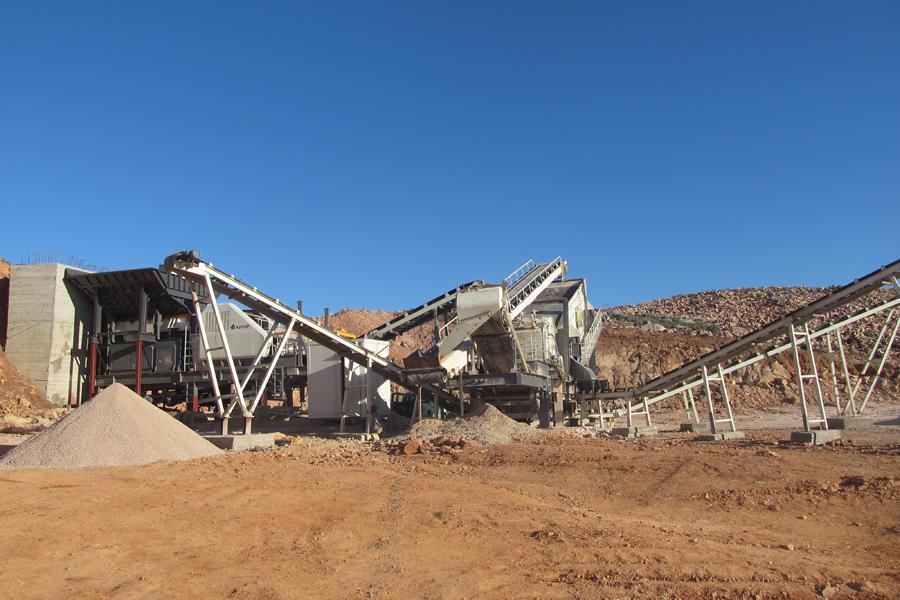
The Competition Between Fixed and Mobile Crushing Plants in the Sand and Gravel Aggregate Industry
-
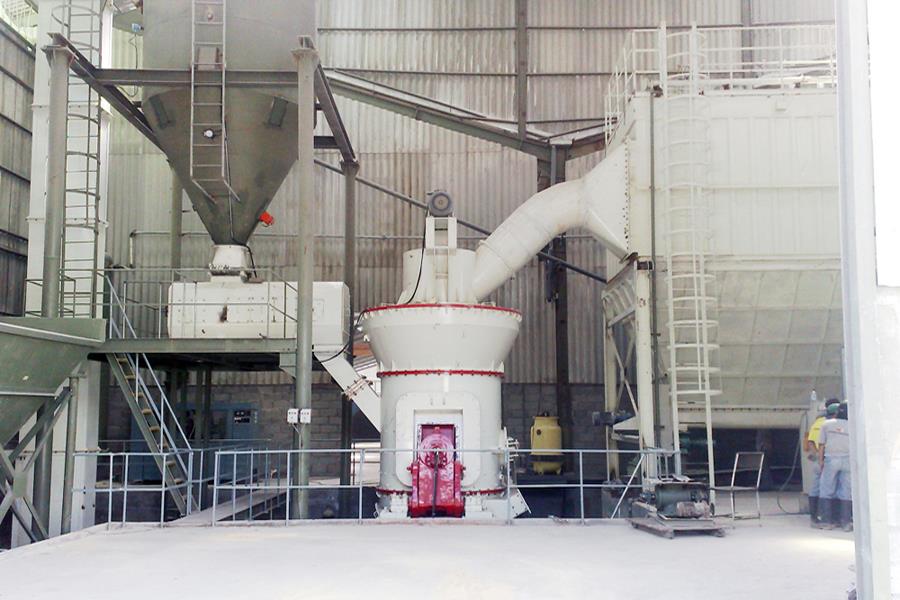
Process Analysis of Limestone Crushing Production Line Configurations
-
-
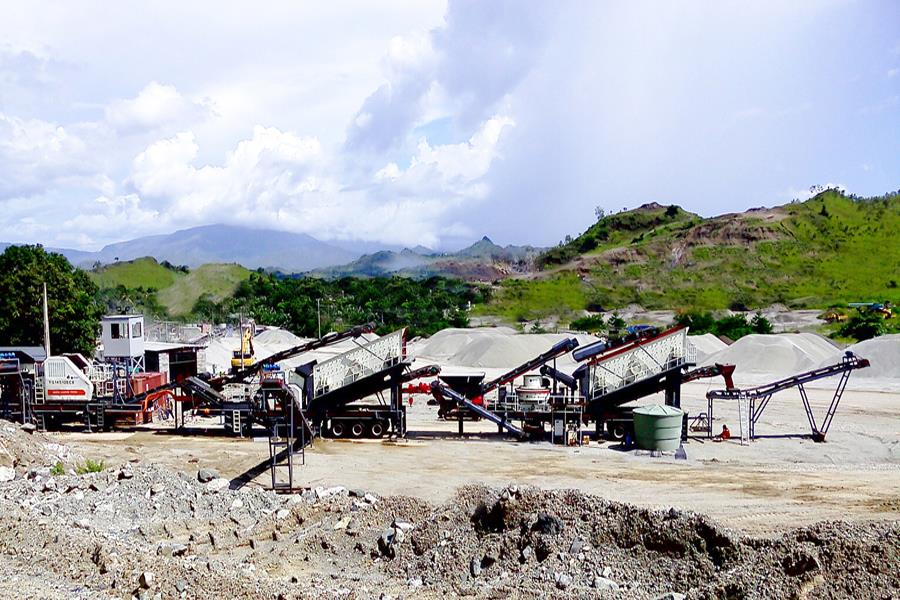
Troubleshooting Methods for Abnormal Noises and Moving Jaw Fractures in Jaw Crushers
-
What to Do When the Frame Bearing Housing or Moving Jaw of a Jaw Crusher Overheats