
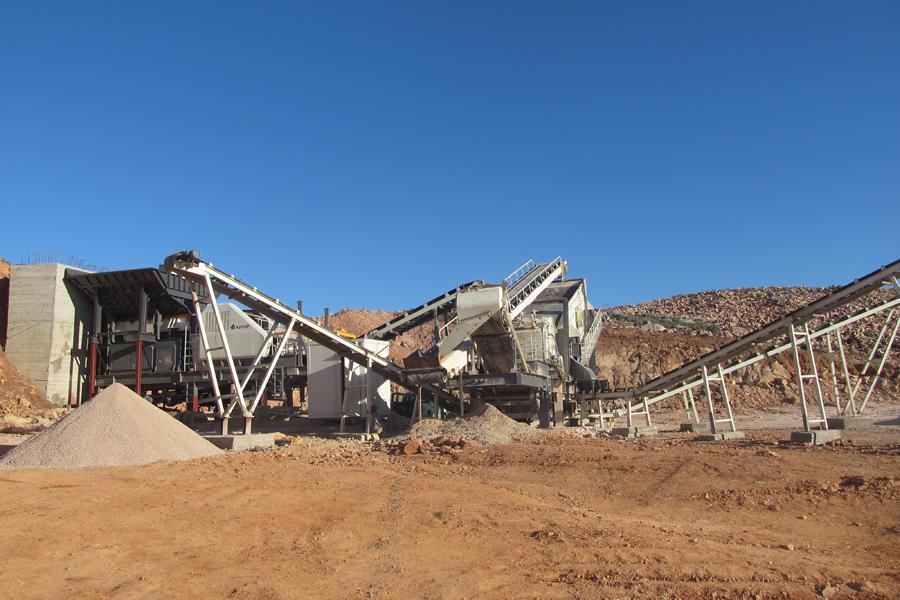
The Competition Between Fixed and Mobile Crushing Plants in the Sand and Gravel Aggregate Industry
Crushing plants are primarily used in mining, metallurgy, highways, high-speed rail, building materials, and construction industries to break materials into sand and gravel aggregates to meet the demands of various sectors. Based on mobility, they are categorized into fixed crushing plants and mobile crushing plants, each with its own distinct advantages. Let's explore the characteristics of each.
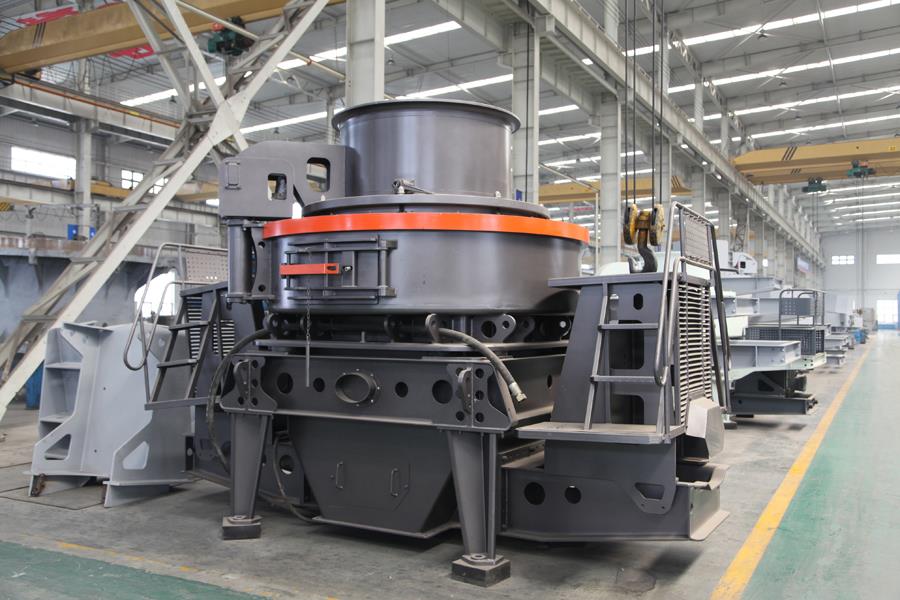
As the name suggests, the defining feature of a stationary crushing plant is its fixed equipment body. Stationary crushing equipment represents a common solution in traditional crushing operations, including jaw crushers, impact crushers, hammer crushers, double-roll crushers, and compound crushers. Due to their simpler design and structure, stationary crushers offer a cost advantage. They are characterized by long service life, straightforward maintenance, and reliable operation in traditional mining and aggregate plant applications. However, the limitations of stationary crushing equipment are evident. It can only be used for fixed operations. Once the production line is set up, it cannot be easily relocated. Materials must be transported to the vicinity of the hopper for crushing. Furthermore, the fixed nature of the operation means the process is rigid, unable to adapt to changes in raw materials, project requirements, or market conditions.
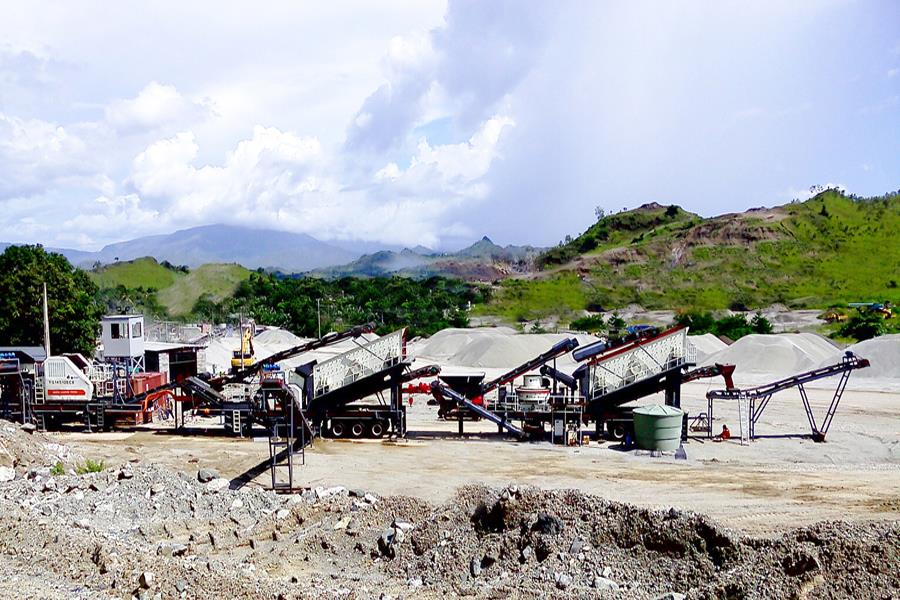
Mobile crushing plants are multifunctional units integrating feeding, crushing, and screening capabilities. Functioning like compact factories, they combine large-capacity hoppers with screening equipment. Materials enter the hopper, undergo primary crushing, and proceed directly to screening before being transported via conveyor belts to finished aggregate stockpiles. Mobile crushing plants feature optimally matched crushing equipment across all stages, ensuring smooth material flow throughout the entire process. They offer reliable operation, user-friendly controls, high efficiency, and energy savings. Their exceptional mobility allows them to relocate with raw material sources or construction sites, and they can be configured in various combinations to meet diverse material requirements. Mobile crushing plants overcome the limitations of traditional operations—such as fixed crushing locations and high material transportation costs—by enabling on-site crushing and localized processing.
Both stationary and mobile crushing plants possess distinct advantages and characteristics. Stationary plants are suitable for high-volume production in spacious, well-equipped sites with favorable surrounding conditions. Mobile crushers excel in industries such as highways, railways, metallurgy, mining, and building materials where frequent relocation and site transfers are required for crushing and screening operations. Therefore, when purchasing, users should select the appropriate crushing plant based on material properties, production site conditions, and time constraints.
We welcome inquiries about crushing equipment at OCP Heavy Industry. Our specialists are ready to provide dedicated assistance! Click the website chat icon for immediate free consultation—available 24/7.
-
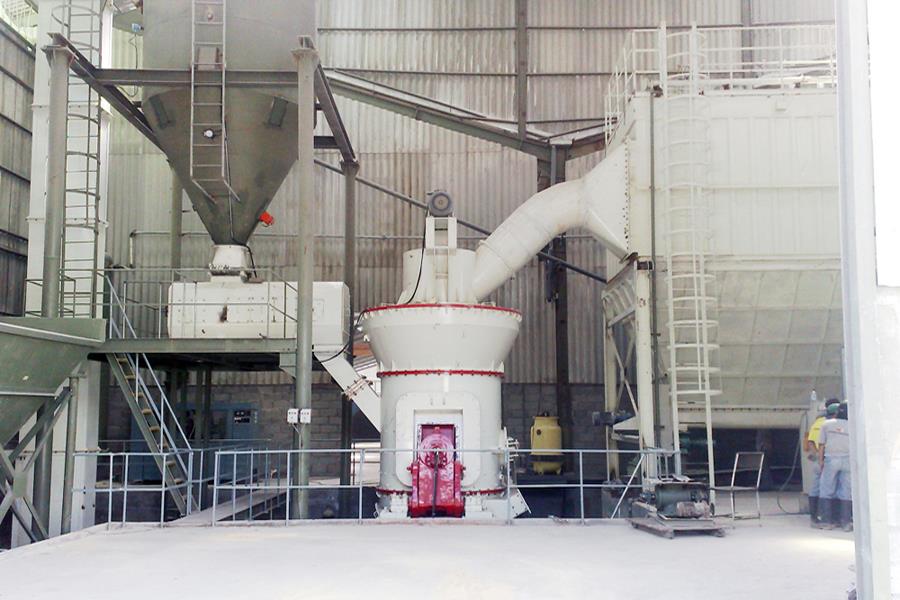
Process Analysis of Limestone Crushing Production Line Configurations
-
-
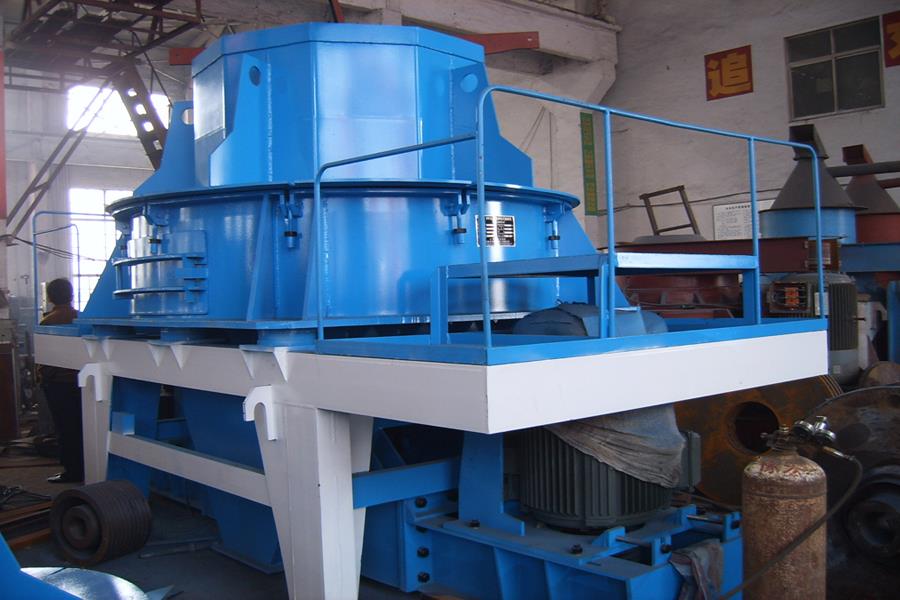
Troubleshooting Methods for Abnormal Noises and Moving Jaw Fractures in Jaw Crushers
-
What to Do When the Frame Bearing Housing or Moving Jaw of a Jaw Crusher Overheats
-