
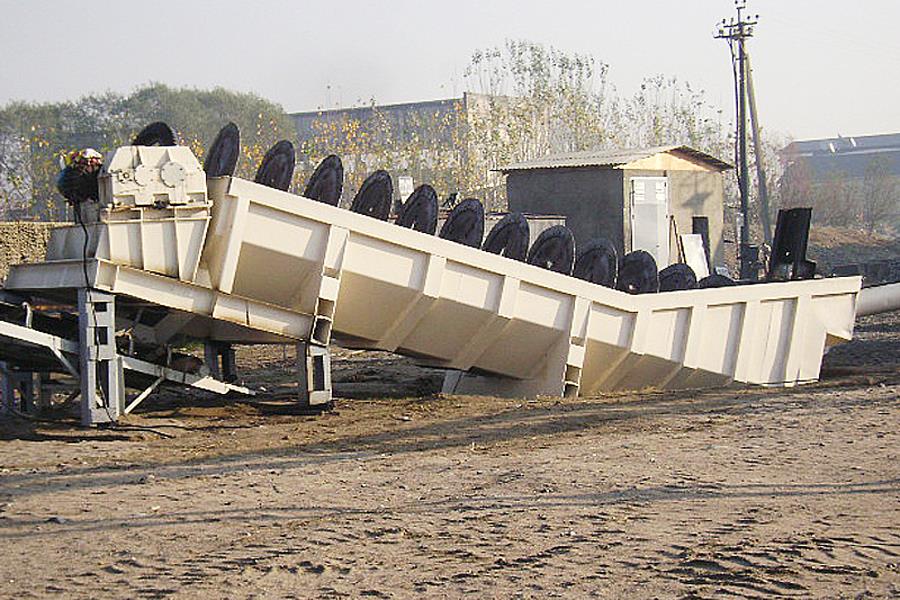
Wet Dust Removal VS Dry Dust Removal
With increasingly stringent environmental regulations, sand and gravel aggregate production lines must pay greater attention to environmental protection. Crushing stone inevitably generates large amounts of dust, which not only severely pollutes the surrounding natural environment but also poses significant health risks to frontline operators. Prolonged exposure to dust pollution may lead to occupational diseases. To address this, dust treatment must be improved through the following two approaches.
1. Wet Dust Removal
As the name implies, wet dust removal utilizes water to suppress dust. Effective water spraying and humidification can reduce dust dispersion and achieve dust removal objectives.
Except for specific processes, most stages of sand and gravel production lines can employ wet dust removal, such as:
(1) Spraying water to humidify aggregates before they enter coarse crushing stations and medium/fine crushing stations can effectively reduce dust generated during the crushing process;
(2) Employing water screening during aggregate grading and sorting on screening machines can completely eliminate dust generation;
(3) Installing spray dust suppression devices at the discharge points of belt conveyors;
(4) Installing buffer chutes at discharge points with significant elevation differences to reduce aggregate drop height effectively minimizes dust dispersion during material movement.
2. Dry Dust Suppression
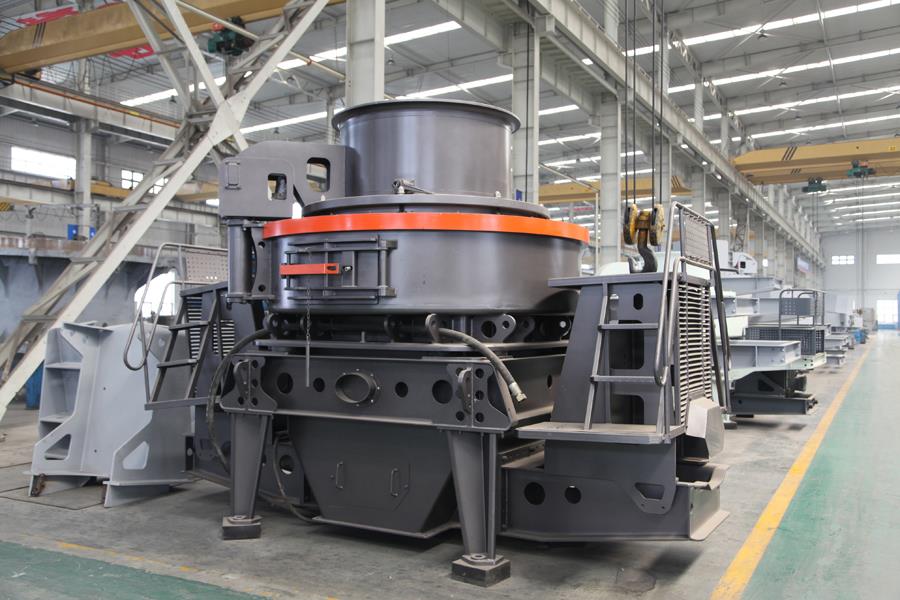
The primary distinction between dry and wet dust suppression lies in the absence of water in dry systems. Its advantage is the elimination of wastewater generation during dust removal, thereby eliminating the need for secondary treatment. However, its disadvantage is slightly inferior dust removal efficiency. This method is suitable for locations or environments unsuitable for wet dust collection. The primary equipment for dry dust collection is the dry dust collector. Key dust generation points in sand and gravel plants include jaw crushers, cone crushers, impact crushers, sand makers, and vibrating screens. For these dust-generating points, the fundamental requirement for selecting dust collectors is to prioritize low power consumption and low investment while ensuring effective dust reduction and equipment longevity. We can calculate the required airflow volume for each dust-generating point by analyzing the model parameters and performance of the equipment. Based on the process locations of these points, we can rationally allocate the size and quantity of dust collectors. The collected fine powder is then conveyed to a fine powder tank via transport equipment. In dry-process manufactured sand systems, primary dust sources are sand makers and vibrating screens. Recognizing the necessity of dust control in dry-process systems, we have specifically designed specialized equipment—dust separators—tailored for this application.
Both wet and dry dust collection methods play critically important roles. Wet dust removal is an effective method that should be prioritized in sand and gravel production lines. However, its limitations and drawbacks must be acknowledged—it increases wastewater discharge, creating new challenges. Therefore, when selecting a dust removal approach, carefully consider your specific circumstances. If opting for wet dust removal, it is best suited for southern regions with abundant rainfall and water resources, provided they have robust drainage and wastewater treatment systems. Conversely, in arid regions with scarce water resources, dry dust removal is preferable to minimize water usage costs and reduce water pollution treatment processes.
If you are interested in equipment for sand and gravel aggregate production lines, click the website customer service for immediate free consultation, available 24/7.
-
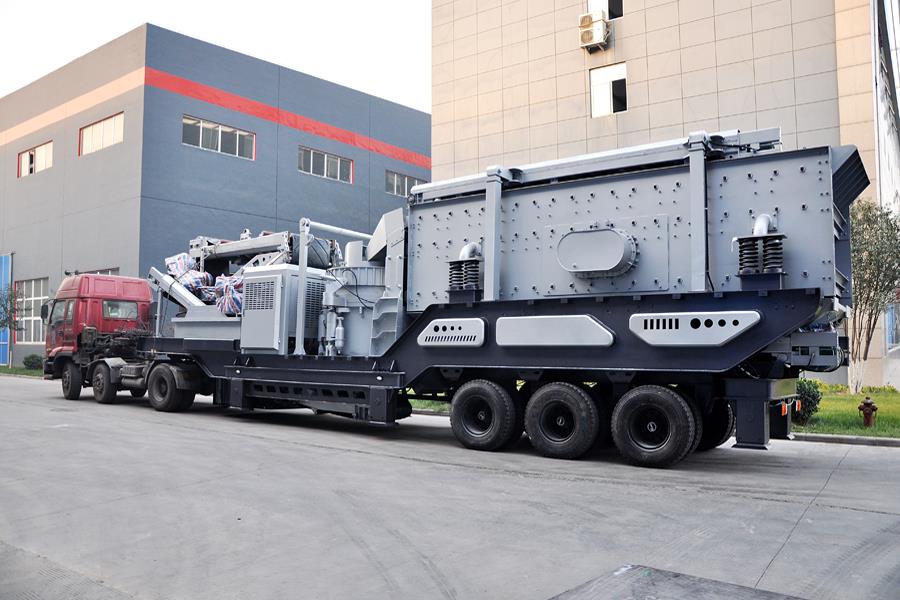
Production Process and Common Configurations of Sand and Gravel Aggregate Production Lines
-
-
-
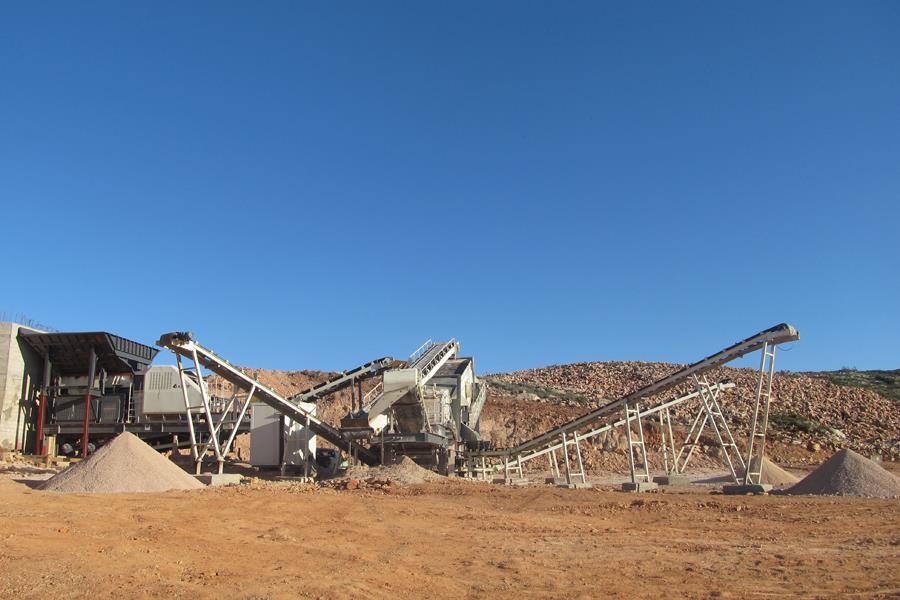
Equipment Configuration for High-Efficiency Granite Sand-Making Production Line
-
The wear-resistant liner plates of jaw crushers are worth exploring