
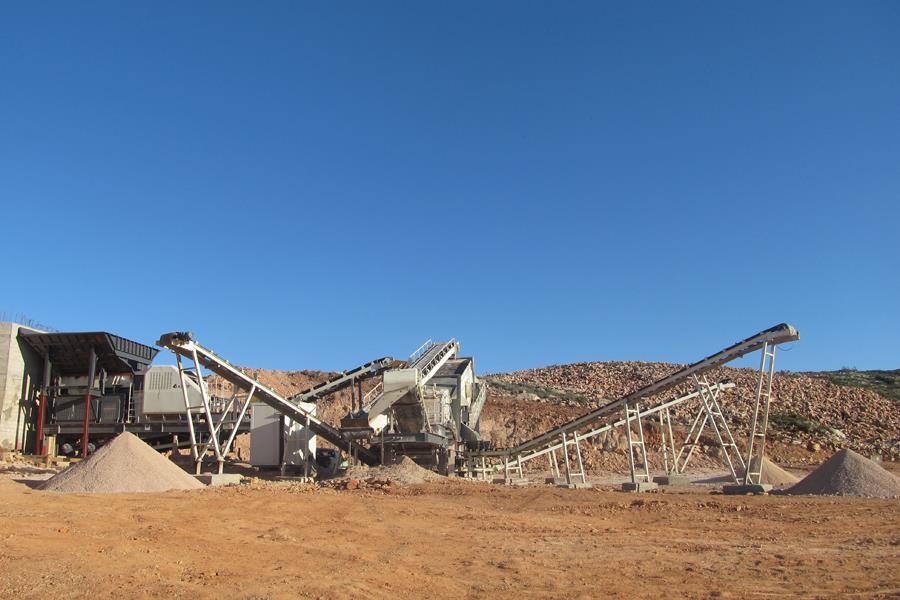
How to Extend the Service Life of Jaw Crusher Liner Plates
As is well known, a jaw crusher consists of a working chamber formed by a moving jaw and a fixed jaw. Both the moving and fixed jaws endure immense crushing forces and material friction. To protect the jaw plates, wear-resistant liner plates—also known as crushing plates—are typically installed on their surfaces. Lining plates are one of the main components of jaw crushers. Their service life directly impacts equipment efficiency and production costs, as they bear the full crushing force of the material. So, how can we extend the lifespan of jaw crusher lining plates to enhance production efficiency and reduce operational costs? Today, we will address this from two perspectives: analyzing the causes of liner wear and implementing countermeasures.
1. Material Analysis.
The presence of foreign objects within jaw crusher liners causes stress concentration. The edges of these inclusions readily form cracks, thereby reducing the material's contact fatigue life. The microstructure and internal defects of the liner material also significantly impact wear. Sudden changes in microstructure composition, fine and uniform grain size, and spheroidal carbides distributed evenly all contribute to enhancing rolling contact fatigue life.
2. Blockage Analysis.
During operation of double-swing jaw crushers, especially at high crushing ratios, material blockage becomes severe, leading to difficult or impossible crushing. Under such conditions, when liner materials contain numerous inclusions, immense crushing forces can easily cause liner fractures. Concurrently, wear increases the bite angle, exacerbating blockage and creating a vicious cycle.
3. Feeding Equipment Installation Analysis.
Jaw crushers primarily perform crushing operations, which inherently require feeding equipment. Feeding and crushing equipment operate in close coordination as sequential process stages, jointly accomplishing material feeding and crushing tasks. Analysis of on-site equipment layout reveals that the installation angle and feeding distance of the feeder are directly related to accelerated liner wear. When the feeder angle is steep and the feeding distance is long, feeding speed increases, buffering capacity decreases, gravitational force intensifies, blockages in the crushing chamber become more frequent, the overall wear area of the liners expands, and wear accelerates. Conversely, smaller angles and shorter distances reduce feed velocity, increase buffering capacity, decrease gravitational force, decrease crushing chamber blockages, reduce liner wear area, and shorten wear time.
4. Fastening Method Analysis.
Practice has proven that liner fixing bolts protect liners during operation. During production, significant forces act between the material and the liner plates. Particularly during continuous operation or when crushing high-hardness, large-sized materials, vibration forces can loosen the liner bolts, causing the liner plates to slip, detach, break, or wear.
Countermeasures
1. Optimize the crushing chamber design to reduce the stress on the liner plates and ore.
2. Control material quality requirements during procurement, production processes, and incoming inspections. Optimize parameters to reduce liner surface roughness and enhance fatigue resistance;
3. Regulate the size of raw ore during underground mining and crushing. Calculate optimal eccentric shaft speeds to prevent crushing chamber blockages and avoid internal structural changes in liners caused by blast clearance operations;
4. Strictly enforce installation standards with field-optimized layout;
5. Replace standard fasteners with spring bolts for high-stress applications. Once compressed to a certain degree by the nut, the spring provides strong vibration damping. During operation, the spring automatically compensates for crushing forces, preventing bolt loosening and extending liner service life.
We welcome you to visit OCP Heavy Industry for on-site inspections of our facilities and crushers. Consult our experts regarding crusher selection, production line design, and maintenance. Our professionals will provide specialized guidance! For detailed product information, click the website chat icon for immediate free consultation—available 24/7.
-
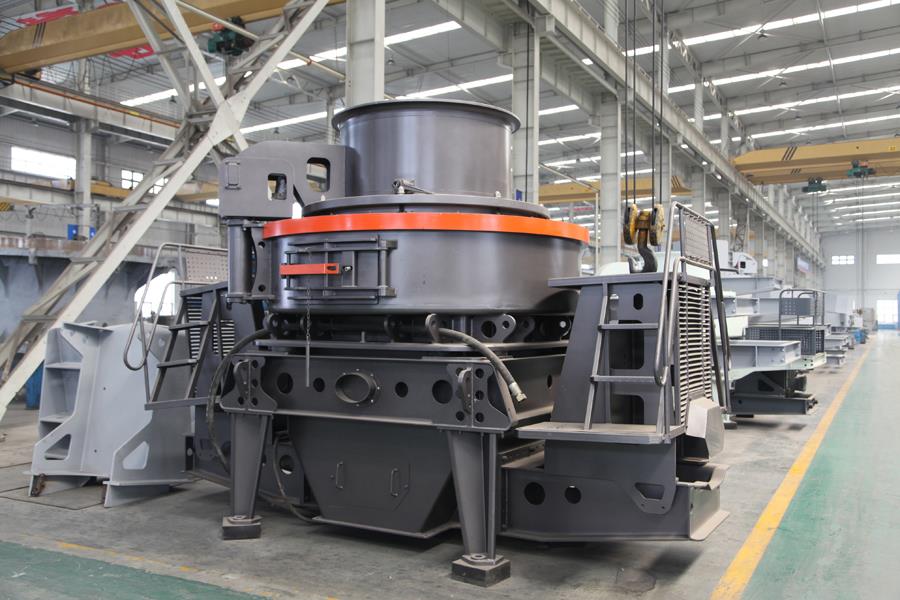
Equipment Configuration for High-Efficiency Granite Sand-Making Production Line
-
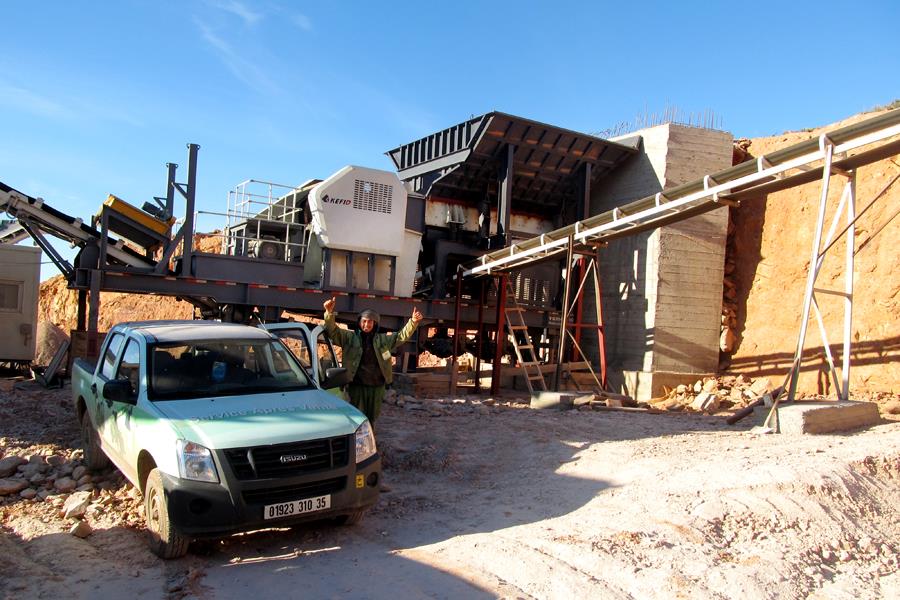
The wear-resistant liner plates of jaw crushers are worth exploring
-
-
-
European-Style Jaw Crushers Accelerate Infrastructure Development