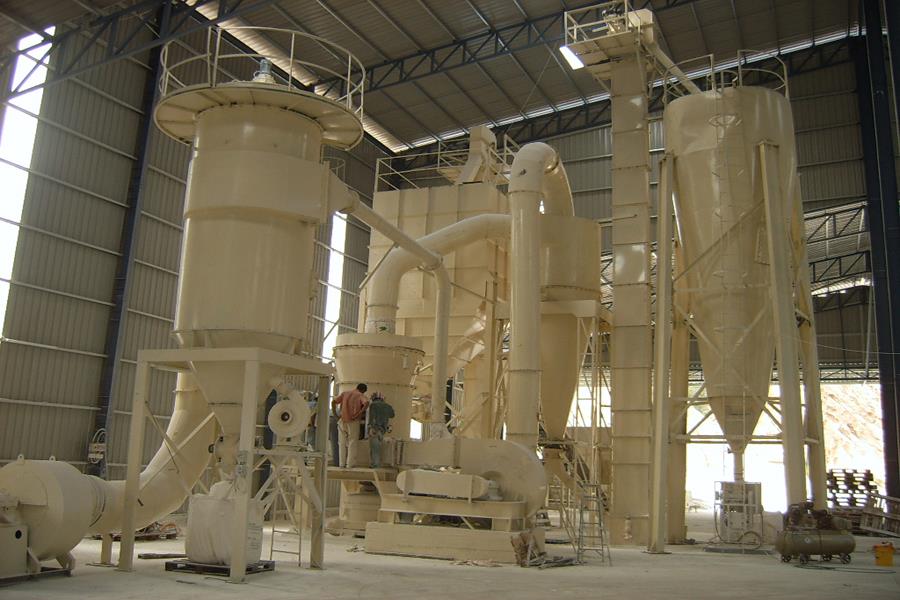
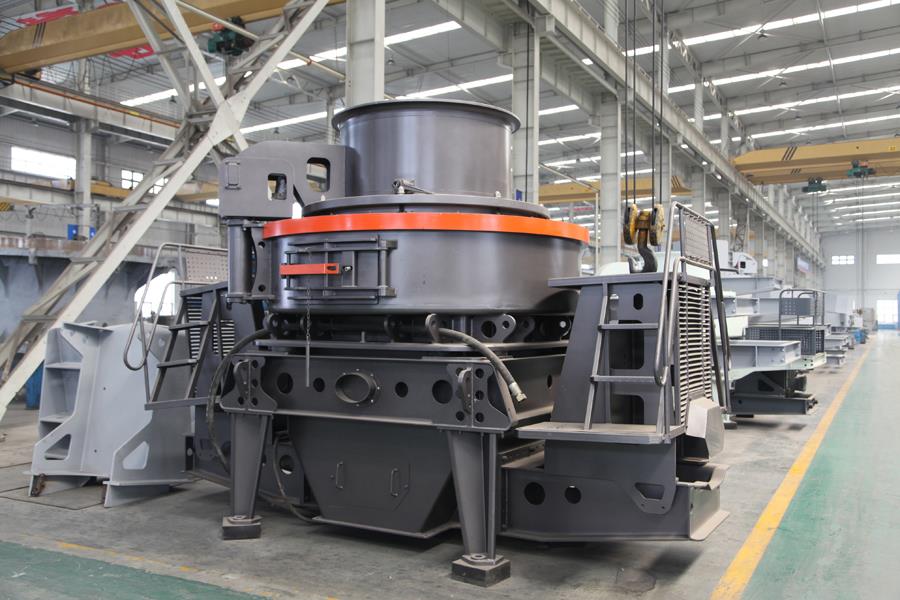
Equipment Configuration for High-Efficiency Granite Sand-Making Production Line
Granite, basalt, quartz sandstone, silicon carbide, diabase, and andesite all belong to hard rock types, with saturated uniaxial ultimate compressive strengths exceeding 30 MPa. To better realize the value of hard rock, it is commonly subjected to crushing processes. For such rocks, a typical approach involves primary crushing, secondary crushing, tertiary crushing, and fine crushing/shaping to meet usage standards. This article analyzes the equipment configuration for a granite sand production line, using granite as an example.
Properties of Granite
Granite features uniform structure, hard texture, and attractive coloration, making it an excellent construction stone. Resistant to weathering, its aesthetic appearance and color retention can last over a century. Due to its high hardness and wear resistance, granite is not only used in high-end architectural decoration and lobby flooring but also serves as the preferred material for outdoor sculptures. As a vital component in the sand and gravel aggregate industry, granite finds extensive applications across various sectors due to its high hardness, exceptional durability, and excellent workability.
Crushing Process
Given its hard texture, granite production lines typically involve a three-stage configuration: primary crushing by a jaw crusher, secondary crushing by a cone crusher, and sand shaping by a sand maker.
Large granite blocks are fed uniformly from the hopper to the vibrating feeder, then enter the jaw crusher for primary crushing. The crushed material is screened by a vibrating screen according to specifications and conveyed by a belt conveyor to the cone crusher for secondary crushing. After secondary crushing, a circular vibrating screen sorts the material; oversized particles are returned to the cone crusher for reprocessing. Material meeting specifications enters the sand-making machine for further crushing and shaping. If cleaning is required, the material can be sent to a sand washer for washing. Finally, compliant material is classified and packaged according to different particle size ranges.
Production Line Configuration
1. The jaw crusher is used for the primary crushing stage of the crushing line, capable of reducing large particles with compressive strength not exceeding 320MPa to sizes between 100mm and 300mm.
2. The impact crusher typically processes ore or rock with a maximum size of 500mm and compressive strength up to 350MPa, producing cubical particles. It is generally employed as the secondary crushing stage in the crushing line, though it can also serve as the primary stage for smaller feed sizes. Cone crushers utilize the principle of layer crushing to form a protective layer of material. They feature reliable structure, high crushing efficiency, convenient adjustment, and economical operation. Feed size ranges from 13 to 369 mm. Like impact crushers, cone crushers are commonly used as the secondary crushing stage in a crushing line, though they can also serve as the primary stage for smaller feed materials. However, the feed size for cone crushers is generally smaller than that for impact crushers.
3. Sand makers are suitable for crushing and shaping soft, medium-hard, and extremely hard materials. They are typically used as the final stage in crushing and sand-making production lines, with a feed size of 35–60 mm.
In addition to primary crushing equipment, auxiliary devices such as vibrating screens, feeders, and conveyors are required to complete the configuration and operation of this production line.
(Technical parameters and data mentioned herein are subject to updates with product upgrades. Click website customer service for the latest equipment specifications.)
The above outlines the granite sand-making production process, which is equally applicable to hard rocks like basalt, quartz sandstone, silicon carbide, diabase, and andesite. However, specific production parameters require individual analysis. Equipment configuration for the production line is primarily determined by the user's requirements for aggregate specifications, output capacity, and intended application. The process flow is tailored to the production site. Crushing equipment comes in various models, each corresponding to different production capacities, feed sizes, and discharge sizes. Therefore, the appropriate crushing equipment should be selected based on the required aggregate specifications, output capacity, and end product to achieve the most rational and economical production line.
We welcome you to visit OCP Heavy Industry for on-site inspections of our facilities and crushers, and to consult on crusher selection and production line design. Our specialists will configure suitable crushers and design optimal production lines tailored to your material properties and regional production characteristics. Click the website chat icon for immediate free consultation.
-
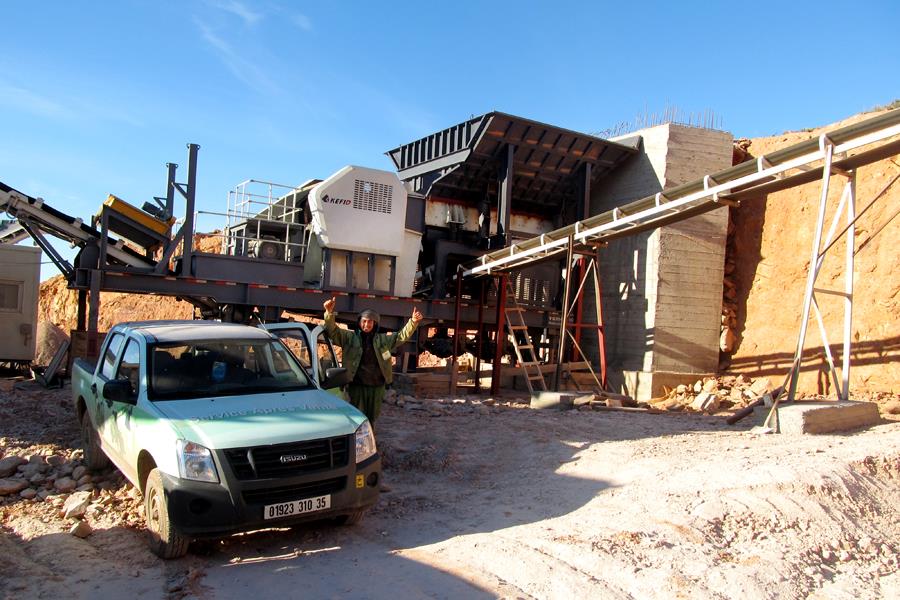
The wear-resistant liner plates of jaw crushers are worth exploring
-
-
-
European-Style Jaw Crushers Accelerate Infrastructure Development
-