
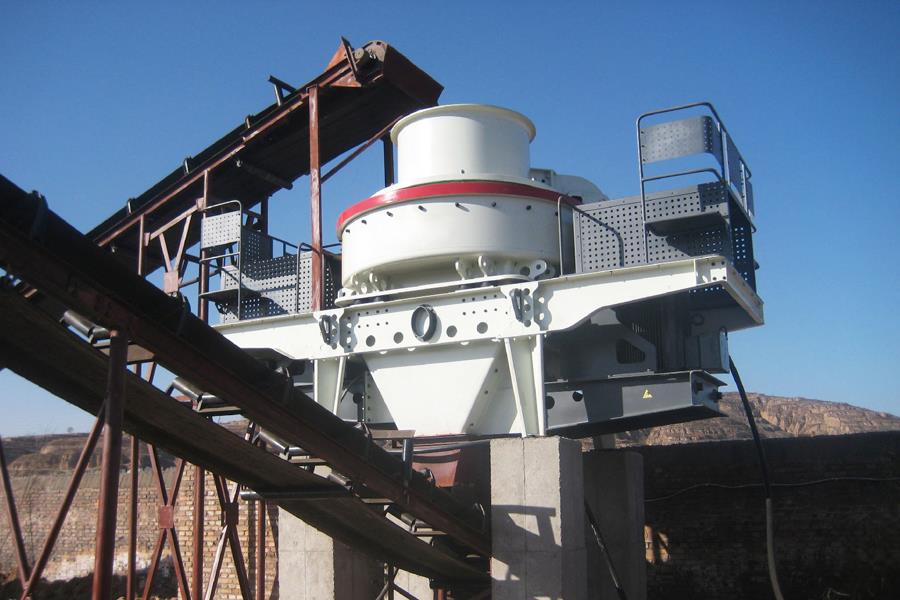
Ten Chinese Impact Crusher Manufacturers Named in 2026 CE-Certified Guide
What the 2026 Guide Actually Says
EINPresswire published a review of China‘s impact crusher supply base on 22 September 2026, profiling ten manufacturers that have secured CE export certification and documented technical specifications for aggregate and mining applications. The guide opens with Shandong Lianbang Heavy Industry (Shanyuan LBZG), whose CE certificate 3N251002.SLHCS40 was issued by Ente Certificazione Macchine against Machinery Directive 2006/42/EC, with verification under EN ISO 12100:2010 and EN 60204-1:2018+A1:2025, valid through October 2030. The remaining nine companies covered include Zhengzhou Yifan Machinery, Henan Hongxing Mining Machinery, SBM, Liming Heavy Industry, CITIC Heavy Industries, NMS (Nanchang Mineral Systems), Sanme, DSMAC, and Zhongxin.
The timing of the guide is not incidental. China was the leading exporter of stone crushing equipment under HS code 847420 in 2024, with export values reaching USD 1.38 billion. A guide that ranks manufacturers by verified specifications and export readiness is responding to a real shift in how international buyers evaluate Chinese suppliers.
Why the Secondary and Tertiary Stages Decide Plant Economics
The guide makes a technical point early that is worth repeating. In a fixed crushing line, the primary jaw crusher sets raw throughput. The commercial outcome is decided downstream, where impact crushers determine particle shape, flakiness content, and the mix of saleable aggregate sizes. Impactors are generally specified for limestone and other medium-hard brittle materials, where the impact-and-rebound mechanism produces a more cubic product with a relatively low fines fraction. For very hard, highly abrasive rock such as granite or basalt, lamination-type cone crushers are normally preferred because blow bar consumption becomes the dominant operating cost.
That distinction is why the guide focuses on impact crushers for two specific applications: limestone quarries and construction waste recycling. In both cases, the feed is medium-hard and the priority is product shape rather than maximum reduction of abrasive rock.
The PF-1315 and PX Series: What the Specifications Show
The guide highlights two product families that appear repeatedly across Chinese manufacturers. The PF-1315 is a horizontal-shaft impact crusher with a rotor measuring 1,280×1,500 mm, a feed opening of 700×1,540 mm, maximum feed size of 300 mm, and a capacity range of 120–250 tonnes per hour at 200 kW motor power. That capacity band covers a wide range of mid-sized quarry and recycling operations.
The PX series is a fine crushing variant, with models ranging from the PXJ0804 at 5–45 TPH up to the PXJ1818 at 40–260 TPH. The PX machines use high-chromium alloy wear parts, and the blow bar material specification — high chrome — is noted across multiple listings as the standard for abrasive service. For limestone and construction waste, where silica content is moderate, high-chrome blow bars deliver a balance of wear resistance and impact toughness that martensitic steel does not match.
Blow Bar Life: The Detail That Separates a Quote from a Specification
A quotation that lists “blow bars included” is not a specification. The wear life of a blow bar depends on the metallurgy, the feed material, and the operating parameters. Research on Chinese impact crusher wear parts shows that composite bimetal casting with gradient strengthening can extend blow bar life by three to five times compared with conventional high-manganese castings, reducing cost per tonne by over 40% in granite and construction waste applications. Semi-solid extruded hypereutectic high-chrome blow bars have demonstrated 50–100% longer life than traditional castings, with performance comparable to imported equivalents.
The practical point for a buyer is that the blow bar specification should be matched to the feed. A high-chrome bar that lasts three times longer in limestone may fracture in a recycling application where rebar is present. The guide‘s emphasis on verified specifications rather than brand claims is consistent with that reality.
CE Certification: What It Actually Requires
Several of the manufacturers in the guide hold CE certification, but the certification is not a single document. For crushing equipment exported to the European Union, the core regulation is Machinery Directive 2006/42/EC, with the new Machinery Regulation EU 2023/1230 applying from January 2027. Crushing equipment is typically assessed against the EN 1009 series of harmonised standards: EN 1009-1 for general safety requirements, EN 1009-2 for feeding and continuous conveying, and EN 1009-3 for crushing machinery specifically. Mobile crushing stations also require assessment under EN 1009-6.
For a buyer in a market that recognises CE marking, this matters because it confirms that the equipment has been assessed against a documented safety framework, not just inspected visually. For buyers outside the EU, CE certification is still a useful benchmark: a manufacturer that has invested in the certification process is more likely to have a functioning quality system than one that has not.
Liming Heavy Industry‘s Position in the Guide
Liming Heavy Industry is one of the ten manufacturers profiled. The company has been manufacturing crushing equipment for over 40 years and exports to more than 180 countries and regions. Its PF series impact crushers — including the PF-1315 — are among the models covered in the guide, with specifications that align with the industry-standard parameters for this capacity class.
The PF-1315‘s 200 kW motor and 120–250 TPH capacity make it a suitable secondary crusher for limestone quarries producing specification aggregates, and for construction waste recycling operations where the feed is primarily concrete and brick. The machine uses a rotor with large inertia, which improves capacity and stabilises operation under variable load — a characteristic that matters in recycling applications where the feed composition changes from one truckload to the next.
A Direct Factory Alternative for Buyers Outside the Guide‘s Focus
The manufacturers in the EINPresswire guide are not the only option for buyers evaluating impact crushers. OCP Mechanical Company is the export brand of Liming Heavy Industry, and we supply jaw crushers, cone crushers, impact crushers, VSI sand making machines, vibrating screens, feeders, sand washers, and complete crushing plants at factory-direct prices with no distributor margin. Every machine is new.
For a limestone quarry or construction waste recycling operation evaluating an impact crusher in the 120–250 TPH range, our engineering team can review your feed characteristics and product requirements, and recommend a configuration — rotor size, blow bar metallurgy, screen arrangement — that matches your material rather than a catalogue template.
Our online customer service team is available 24 hours a day to discuss specifications, provide updated pricing, and help you work out which configuration suits your site. If you are evaluating an impact crusher for limestone or construction waste, click the chat button and start the conversation.
All price information provided is for reference only; final quotes depend on equipment configuration, shipping terms, optional features, and current exchange rates. Product specifications are continuously updated; please consult our online customer service for the latest parameters tailored to your application.
-
-
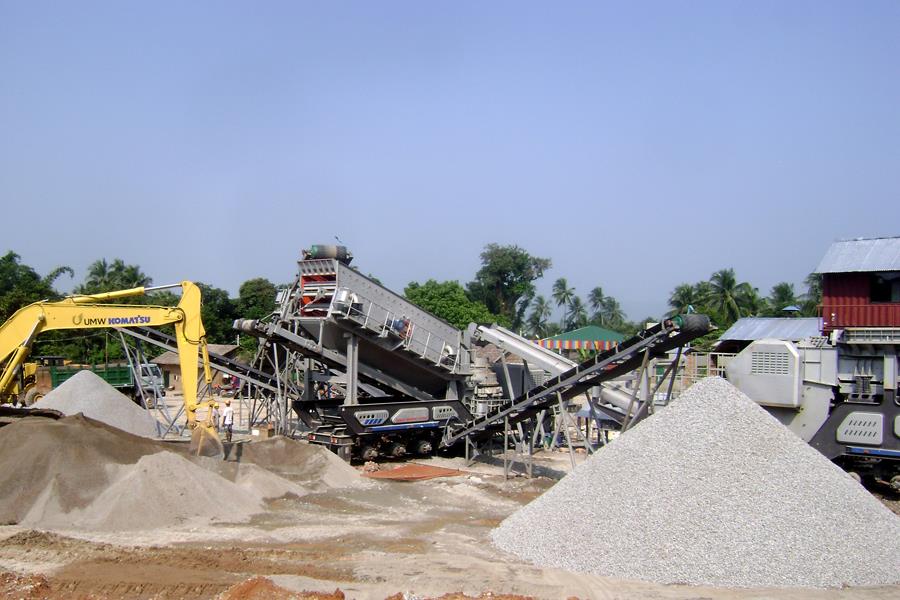
Jaw Crushers Hold 46% of the Crushing Equipment Market as Mining Drives 56% of Demand
-
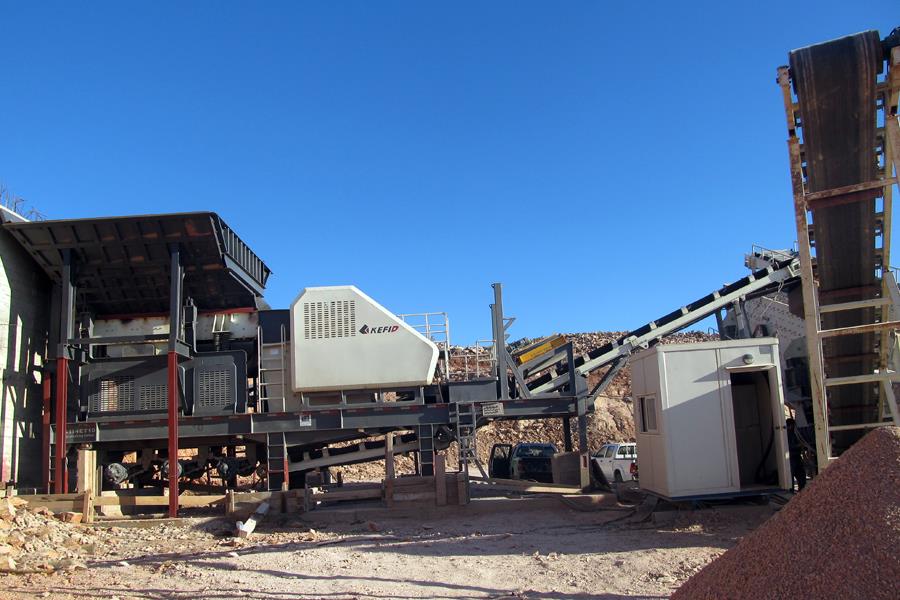
90 TPH Quartz Sand Screw Washer for Dewatering in Da Nang Vietnam
-
Which Mobile Crusher Is Best for Construction Waste 80 TPH in Kenya
-
260 TPH Limestone Impact Crusher Blow Bar Replacement in Saudi Arabia



