
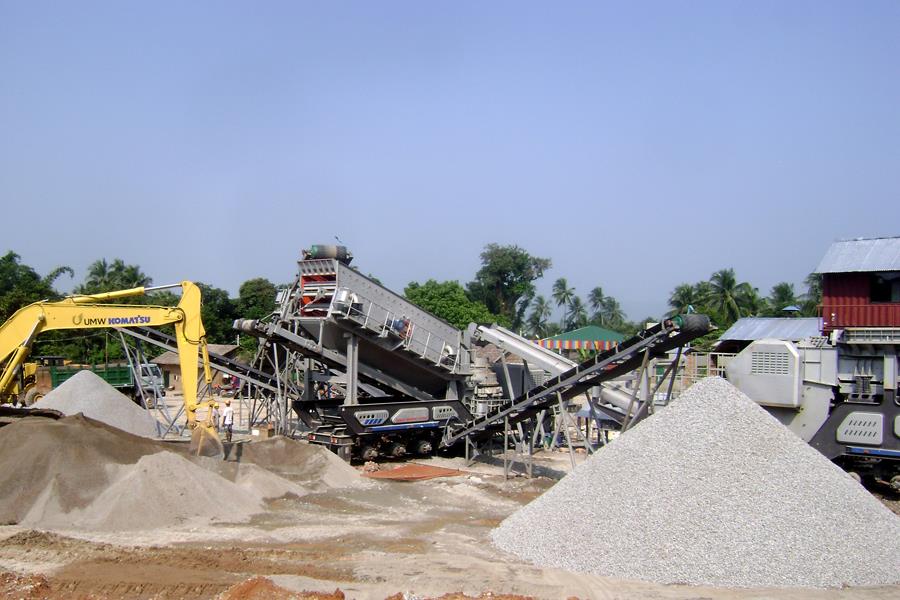
Jaw Crushers Hold 46% of the Crushing Equipment Market as Mining Drives 56% of Demand
What the Latest Market Data Actually Shows
Fact.MR‘s 2026 crushing equipment market report puts the global market at USD 5.12 billion in 2026, rising to USD 7.95 billion by 2036 at a compound annual growth rate of 4.5%. Within that total, two numbers stand out. Jaw crushers account for 46% of the product segment. Mining operations account for 56% of the application segment. Neither figure is a surprise to anyone who has spent time on a mine site, but they are worth unpacking because they explain why certain equipment choices have remained stable across decades while other segments have shifted.
The absolute dollar opportunity between 2026 and 2036 is USD 2.83 billion, and the report identifies India (6.2%) and China (5.4%) as the fastest-growing markets. North America holds steady on replacement cycles, while Europe grows through regulatory-driven modernisation and process upgrades. The strategic direction, according to the report’s analyst commentary, points toward mobile crushing platforms and automated plant controls.
Why the Jaw Crusher Keeps Its Share
A jaw crusher does one thing well. It accepts the largest feed size in the circuit and reduces it to something the next stage can handle. That function has not changed in a century, and no other machine has displaced it because no other machine combines the same three characteristics: the ability to take run-of-mine blocks that would stall a cone crusher, a design that is simple enough to maintain in remote locations, and a cost structure that makes it the least expensive way to do primary reduction.
The report notes that jaw crushers dominate because of their “wide applicability, lower complexity and continued adoption across the largest end-use verticals.” That is a technical way of saying that every mine and every quarry needs one, and most of them need it first. The single-toggle jaw crusher alone represents 62.4% of the jaw crusher segment, according to separate industry data, which tells you that the simpler, more robust design has won the argument over more complex alternatives in most applications.
What the 46% share does not capture is the variation within that category. A 600×900 mm jaw crusher on a small gold operation in Ghana is not the same machine as a 1,600 mm primary jaw on a copper concentrator in Chile. The market data aggregates them, but the purchasing logic is different. The small operator is buying reliability and a price that fits a project budget. The large operator is buying throughput and the confidence that a service network will keep it running.
Mining’s 56% Share and the Equipment Density Behind It
The mining segment‘s 56% application share reflects something that is easy to overlook when comparing market numbers. Mining sites deploy more crushing equipment per operation than any other end-use category. A typical quarry runs a primary crusher and maybe a secondary. A metal mine runs primary, secondary, and tertiary stages, often with multiple units at each stage. The report notes that mining operations account for the largest application share because they “deploy the highest density of crushing equipment per operation, from primary to tertiary stages.”
That density has a direct implication for equipment selection. When a mine is running three stages, the cost of downtime compounds across every stage. A liner change on a tertiary crusher that takes two days instead of one does not just stop that crusher. It backs up material through the secondary and primary stages, forces the plant to reduce feed rate, and potentially stops the mill. The purchasing decision at that level is not driven by the price of the crusher. It is driven by the cost of the hours the crusher is not running.
The construction industry is the second-largest application segment, driven by road building, commercial construction, and urban development. Cement plants represent a third significant segment, with limestone and clinker crushing equipment demand tied to capacity expansion in emerging markets. The recycling segment is smaller by share but growing faster, particularly in construction and demolition waste processing.
The Growth Drivers That Will Shape the Next Decade
Three factors are pushing the crushing equipment market forward, and each has a different implication for equipment buyers. The first is mining production volume. Every new mine and every capacity expansion needs primary and secondary crushers. The report identifies the rise in mining production across metal ores, coal, and industrial minerals as the largest driver of equipment procurement. That demand is not discretionary. It is tied to the ore body and the production schedule.
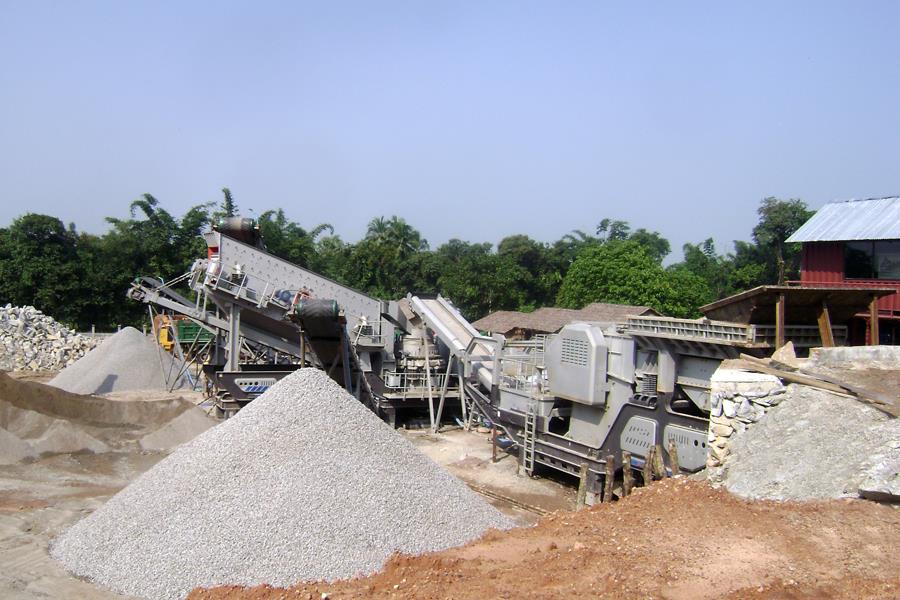
The second is infrastructure construction. Road building, commercial construction, and urban development generate continuous demand for construction aggregates, and that demand is increasingly met through mobile crushing plants deployed near the point of use rather than fixed plants with long haul distances.
The third is construction and demolition waste recycling. The report notes that the addressable market for specialised crushing systems is growing in the recycling of construction and demolition waste, concrete, and asphalt reclamation. This is a relatively new demand category compared to mining and construction, but it is expanding because regulations are pushing demolition material away from landfill and toward reuse.
Where the Market Constraints Actually Bite
The report also identifies constraints that shape how equipment is bought. High capital cost and long procurement cycles limit purchase frequency. A major crushing unit can be a multi-million dollar investment, and the equipment has a service life of 15 to 25 years, which means operators extend service through rebuilds and component replacement rather than buying new machines every few years.
Environmental and permitting requirements slow down new plant installations. In China, the Ecological Environment Code and the energy efficiency standards taking effect in December 2026 have made compliance a precondition for operation. In Europe, the Industrial Emissions Directive and Stage V emissions standards are pushing operators toward electric and hybrid drive systems. These regulatory pressures are not uniform across every market, but they are all moving in the same direction.
The opportunity areas are where the growth is. Mobile crushing platforms increase the addressable market by allowing on-site aggregate production without permanent plant infrastructure. Automated and remotely operated systems are driving premium demand in safety-conscious operations. And recycling is creating new demand for equipment that can handle mixed feed streams rather than uniform run-of-mine material.
What This Means When You Are Buying
If you are a quarry operator or a mine manager evaluating a crushing circuit, the market data is useful context but it does not make the decision for you. The jaw crusher‘s 46% share tells you that it remains the standard primary reduction machine. It does not tell you which jaw crusher to buy. The mining segment’s 56% share tells you that most crushing equipment is deployed in mining, but it does not tell you what configuration suits your ore.
The variables that matter are the ones that always mattered: the feed size, the ore‘s compressive strength and abrasiveness, the target product gradation, the power supply, and the maintenance resources available on site. A jaw crusher that is correctly sized for the feed and paired with a feeder that prevents surges will outproduce a larger, more expensive machine that is fed inconsistently. A cone crusher with the right cavity and a liner metallurgy matched to the ore will last longer and cost less per tonne than a machine that was specified from a catalogue.
OCP Mechanical Company has manufactured crushing and screening equipment for over 40 years. We build jaw crushers, cone crushers, impact crushers, VSI sand making machines, vibrating screens, feeders, sand washers, and complete crushing plants. Every machine is new. Because we sell direct from our factory, there is no distributor margin in the price, and our technical team works with you on the equipment selection rather than handing over a standard configuration.
Our online customer service team is available 24 hours a day to discuss specifications, provide updated pricing, and help you work out which configuration suits your ore and your site. If you are evaluating a crushing circuit and want a direct quote, click the chat button and start the conversation.
All price information provided is for reference only; final quotes depend on equipment configuration, shipping terms, optional features, and current exchange rates. Product specifications are continuously updated; please consult our online customer service for the latest parameters tailored to your application.
-
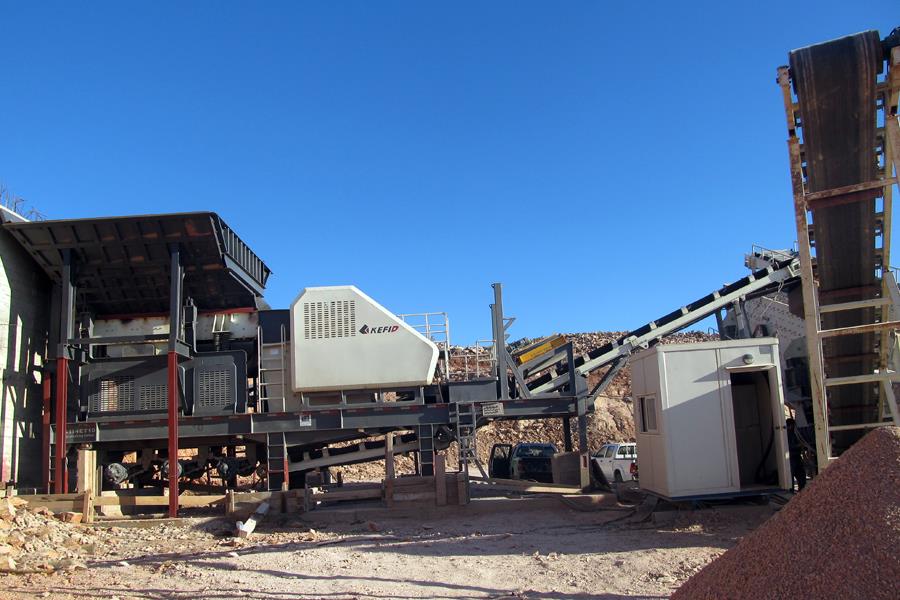
90 TPH Quartz Sand Screw Washer for Dewatering in Da Nang Vietnam
-
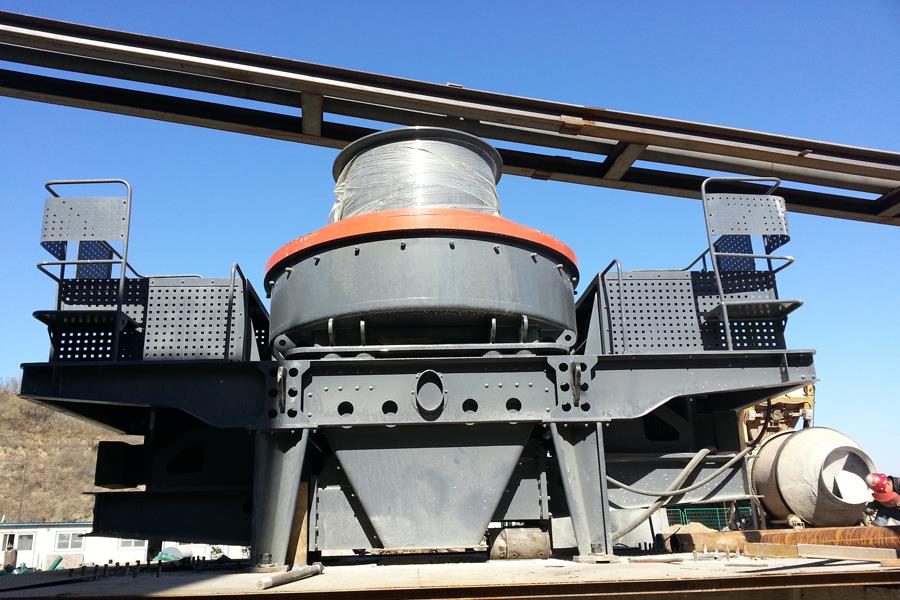
Which Mobile Crusher Is Best for Construction Waste 80 TPH in Kenya
-
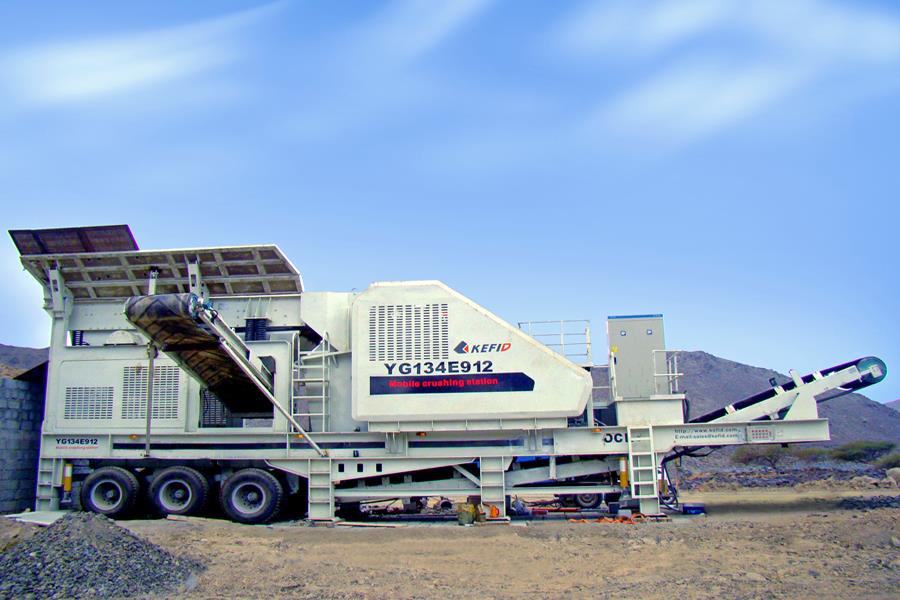
260 TPH Limestone Impact Crusher Blow Bar Replacement in Saudi Arabia
-
-
Water-Scarce Mines Choose Dry Ball Mills as Mobile Impact Crushers Gain Demand



