
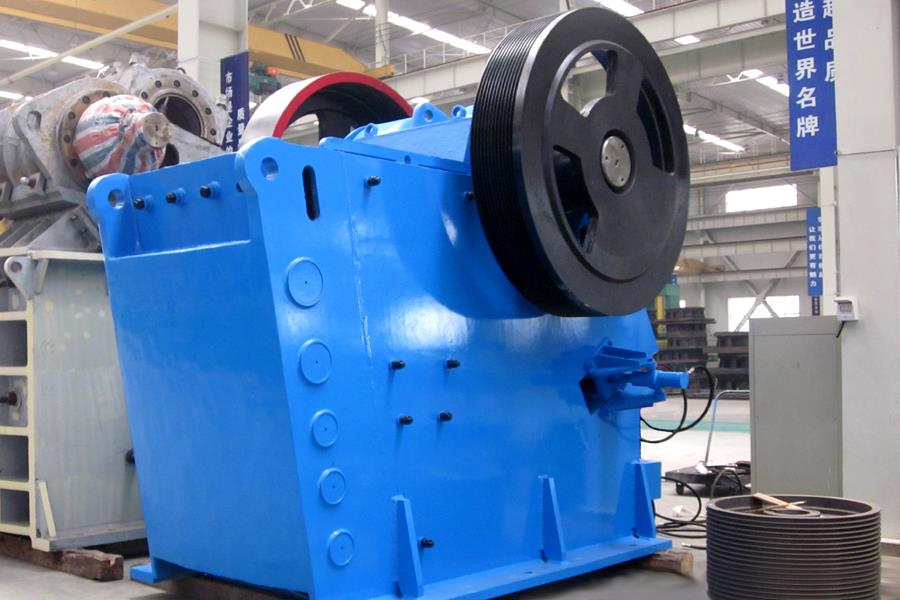
Primary Structure of Hammer Crushers
The hammer crusher comprises the housing (casing), rotor, hammers, main shaft, impact liners, and screen plates.
1. Housing
The hammer crusher housing comprises a lower body, rear upper cover, left side wall, and right side wall, bolted together as a single unit. A feed inlet is provided at the top. The entire inner surface of the housing is lined with high-manganese steel liners, facilitating replacement when worn. The lower body is fabricated from carbon structural steel plate. To accommodate the bearings supporting the rotor on both sides, high-manganese steel bearing seats are specifically welded in place. The lower section of the housing can be directly anchored to concrete using foundation bolts. The rear upper cover, left side wall, and right side wall are also entirely fabricated from carbon structural steel plate. To prevent severe dust leakage where the housing and shaft interface without protective measures, shaft seals are fitted at all points of contact between the housing and shaft. Inspection ports are provided in the lower housing and both side walls to facilitate maintenance, adjustment, and replacement of screen bars and hammers.
2. Rotor
The rotor constitutes the primary working component of the hammer crusher. It comprises the main shaft, hammer discs, pins, and hammer heads. The discs feature uniformly distributed pin holes through which pins suspend the hammer heads. To prevent axial movement of the discs and hammer heads, locking nuts secure the pins at both ends. The rotor is supported by two rolling bearings, which are bolted to the lower housing's mounting brackets. Two locating pins secure the bearings at their centre distance. To store kinetic energy during operation—thereby reducing motor peak loads and minimising hammer wear—a flywheel is fitted to one end of the main shaft. The rotor's principal components are detailed below.
3. Main Shaft
The main shaft constitutes the primary component supporting the rotor in hammer crushers. It bears the weight of both the rotor and hammers, along with the impact forces exerted upon them. Consequently, the shaft material must exhibit high toughness and strength. Alloy steel is employed for the main shaft, which undergoes ultrasonic flaw detection prior to quenching and tempering treatment. The hammer disc serves to suspend the hammer heads. During operation, the hammer disc inevitably undergoes impact and friction from ore, necessitating a certain level of wear resistance. The hammer disc and hammer holes undergo carburising heat treatment using high-manganese steel to enhance their wear resistance.
4. Hammer Heads
The hammer heads constitute the most critical working components of the hammer crusher. Their quality, shape, and material determine the crusher's production capacity. Kinetic energy is directly proportional to hammer weight: heavier hammers deliver greater kinetic energy and higher crushing efficiency. Hammer weights range comprehensively, from a minimum of 15 kilograms to a maximum of 298 kilograms. Custom hammer weights can be manufactured to client specifications. Utilising a novel multi-element high-chromium manganese steel composite casting process, these hammers exhibit a service life several times longer than conventional counterparts.
5. Liner Plates and Impact Plates
The hammer crusher achieves crushing by high-speed impact of hammers against ore, imparting immense velocity and kinetic energy to the material within an instant. To prevent frame wear, manganese steel liners are fitted to the inner frame walls. Impact plates are cast from high-manganese steel, quenched and tempered to ensure superior wear resistance and impact resilience. Given the harsh operating conditions of hammer crushers, their quality directly determines service life, which is fundamentally shaped by the materials used in their component parts.
For over four decades, our company has specialised in the R&D and manufacturing of large-scale mineral crushing and sand-making equipment, operating as an integrated source company encompassing research, production, sales, and service. Our core offerings include jaw crushers, cone crushers, impact crushers, sand makers, mobile crushing stations, ball mills, and production line auxiliary equipment. We warmly welcome users to visit our factory for on-site inspections. Click our website customer service for immediate free consultation, available 24 hours online.
-
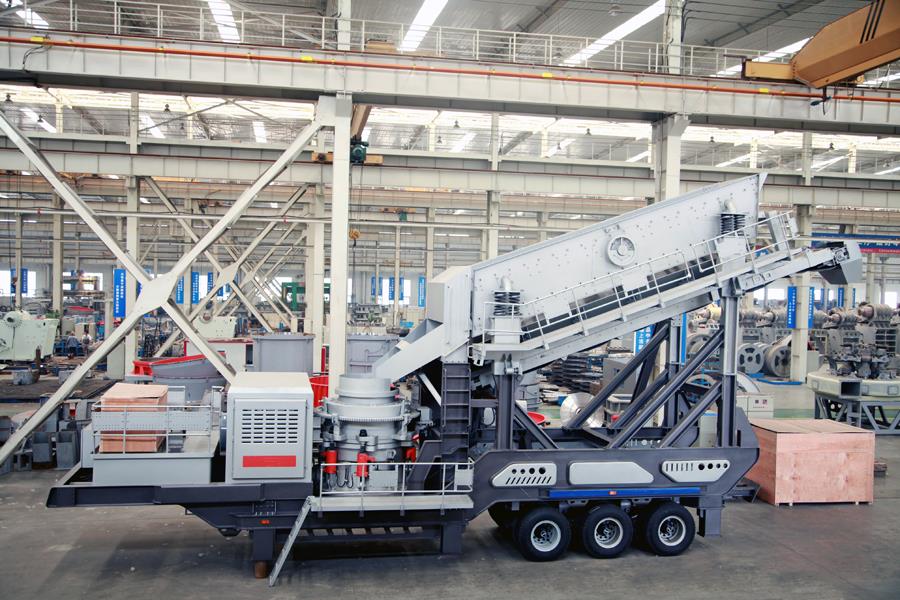
What are the primary products among commonly used stone crushers
-
-
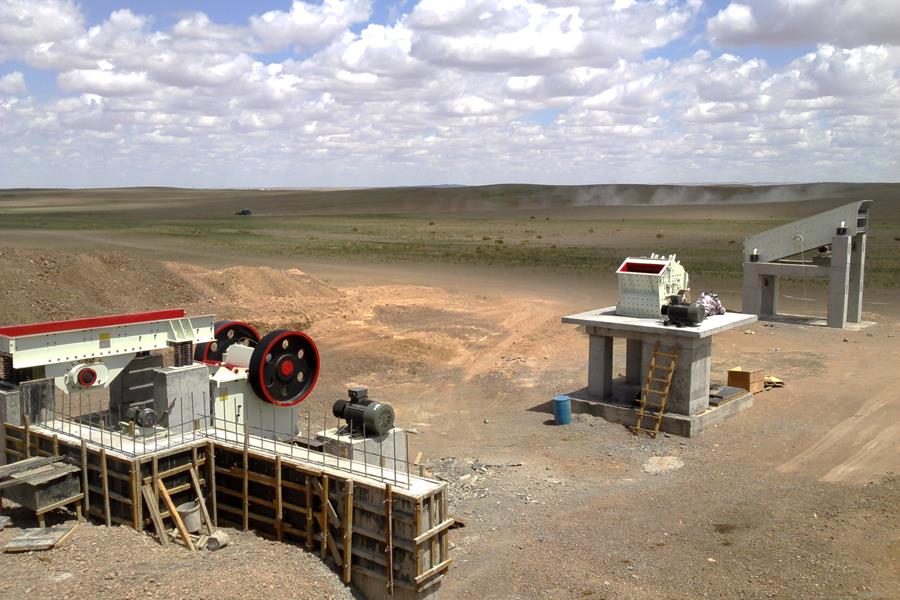
Distinguishing Between Impact Crushers and Hammer Crushers When Selecting Medium Crushers
-
-
How effective is the vertical impact crusher for processing pebbles