Key Considerations When Selecting a Vibrating Screen
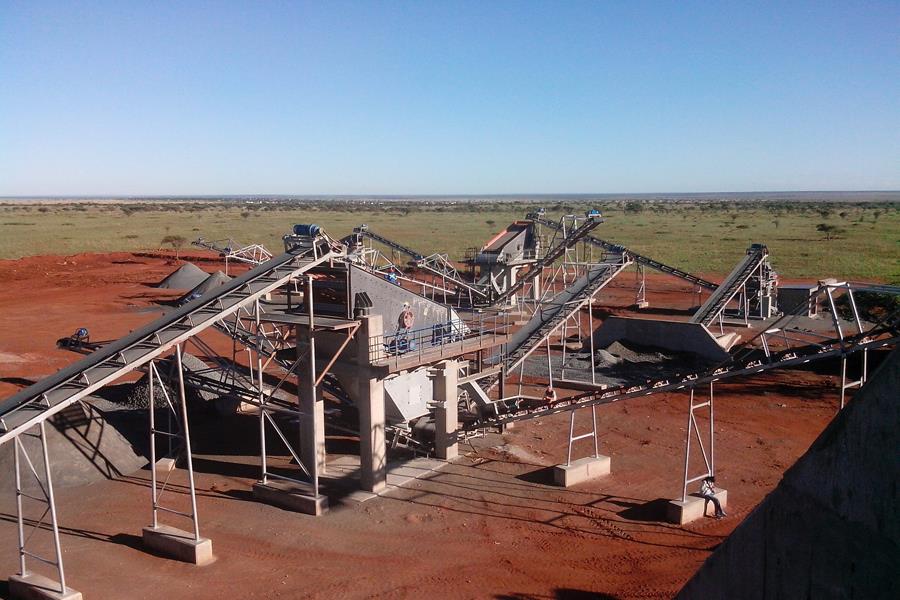
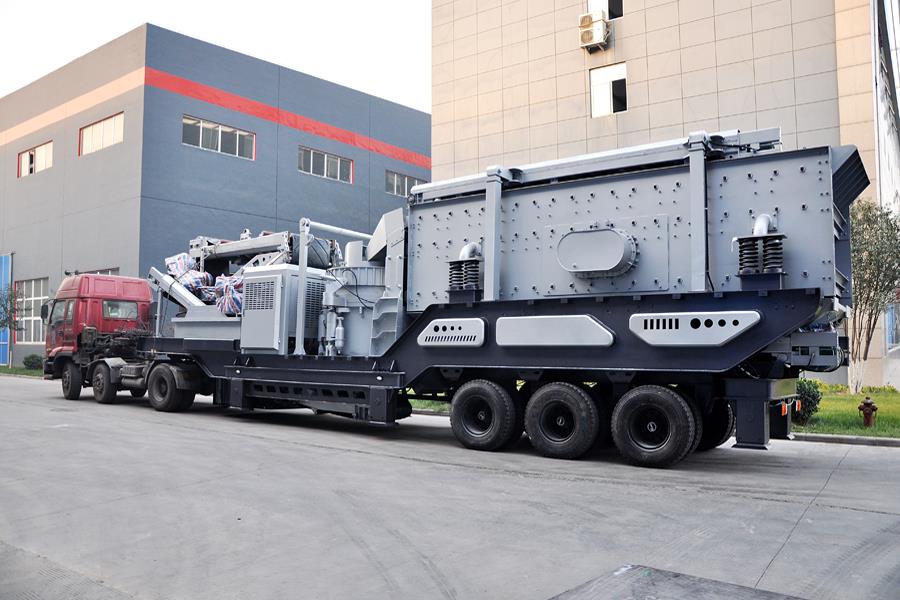
Screening constitutes an indispensable stage in sand and gravel aggregate production lines. As a vital screening apparatus, the operational efficiency of vibrating screens directly impacts the economic viability of sand-making facilities. However, with numerous types available, many struggle with selection. This article outlines six key principles to assist in choosing the appropriate vibrating screen. Let us explore them.
1. Consider the Properties of the Material Being Screened
When selecting a vibrating screen, consider the shape, moisture content, and clay content of the material being screened. Only suitable materials can enhance the screen's production efficiency. For instance, when sand production demands a specific gradation, square-mesh screens are preferable over rectangular or circular mesh screens.
2. Consider the Screen's Structure
Factors such as the screen area, motion pattern, and vibration frequency must also be evaluated. For instance, in motion screens, particles vibrate near-vertically relative to the aperture direction during screening. Their high vibration frequency yields superior separation results.
3. Consider the vibrating screen's throughput capacity
The equipment's throughput must align with the company's specified production volume. Excessive capacity wastes capital investment, while overloading causes wear and reduces productivity. Optimal throughput minimises unnecessary expenditure.
4. Consider the screening application
Different screening purposes require distinct vibrating screen types. For instance:
- Circular vibrating screens suit pre-screening of materials
- Large vibrating screens handle grading of crushed materials
- Linear vibrating screens perform dewatering and de-mediuming
- Probability screens manage desliming and sand cleaning
5. Consider the suitability of the vibrating screen
Suitability refers to the screen's adaptability to the production environment. Its structure, construction materials, and other aspects must align with operational conditions. Higher suitability correlates with enhanced production efficiency.
6. Account for mineral processing requirements
When selecting a vibrating screen, also consider the requirements of the mineral processing workflow. Based on the production line's processing capacity and screening methods, comprehensively evaluate and choose the appropriate screen surface, mesh aperture shape, and mesh size. This enhances the screening efficiency of sand and gravel materials. Research indicates that larger mesh sizes produce manufactured sand with a higher fineness modulus and lower stone powder content; conversely, smaller mesh sizes yield manufactured sand with a lower fineness modulus and higher stone powder content.
These constitute the six key considerations for selecting a vibrating screen. When purchasing, tailor your choice to your project's specific requirements, paying attention to the properties of the material being screened, the screen's structural design, and its production capacity. For further information on vibrating screens, please contact OCP Heavy Industry's online customer service team. We are at your service!
-
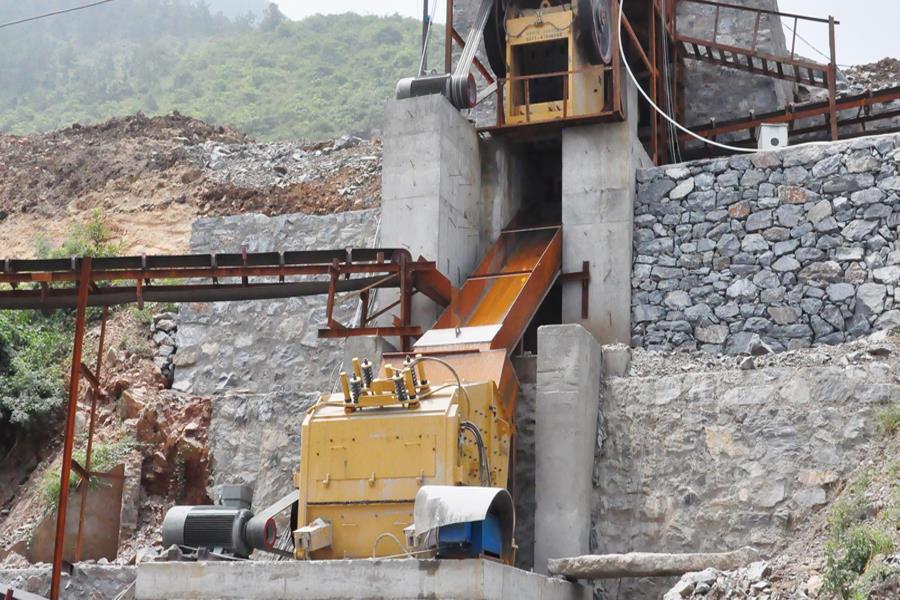
How effective is the vertical impact crusher for processing pebbles
-
-
-
Analysis of the Advantages and Disadvantages of Track-Mounted Mobile Crushers
-