
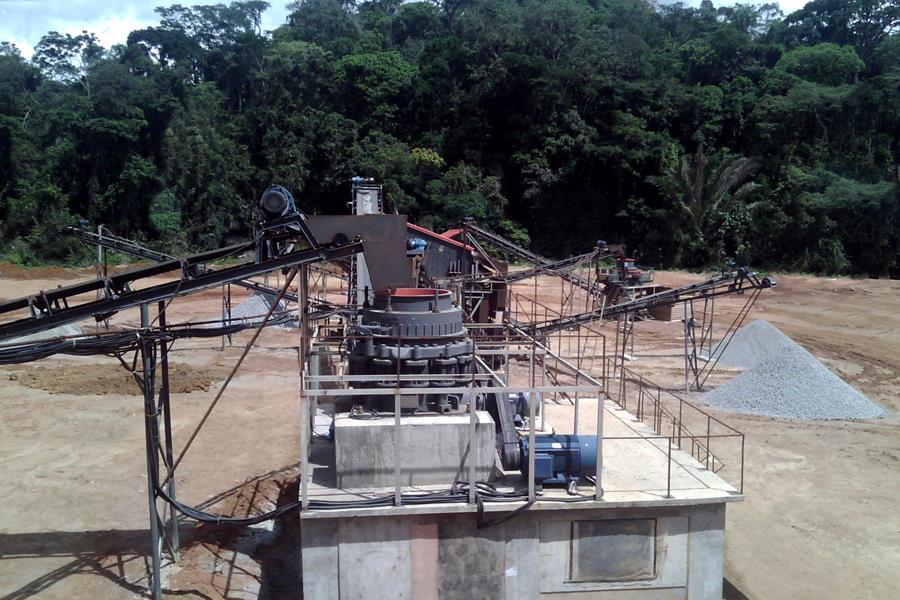
Preventive Measures Against Material Blockage in Sand Making Machines
Sand making machines play an irreplaceable role in sand and gravel crushing production lines, representing the most effective, practical, and reliable sand production equipment currently available.
Suitable for crushing and shaping soft, medium-hard, and extremely hard materials, these machines are extensively employed in various industries. These include metal and non-metal mining, refractory materials, abrasive ceramic raw materials, building materials, high-speed rail construction, hydraulic and hydroelectric projects, and private sand and gravel aggregate production. They excel in the fine crushing and shaping of minerals and rocks, particularly medium-hard, extremely hard, or abrasive materials such as sandstone, granite, basalt, silicon carbide, emery, bauxite, and magnesia.
Material blockages in sand-making machines significantly impair crushing efficiency within production lines. What preventative measures should be taken during operation to avoid such blockages?
1. Monitor the ammeter needle during feeding. Generally, excessive feed volume causes significant needle deflection. Prolonged overload risks motor burnout. Should this occur, immediately reduce or close the feed gate, or install a feeder to regulate input volume, thereby preventing blockages.
2. Inappropriate matching with conveying equipment may cause reduced or absent airflow in discharge pipelines, leading to blockages. Therefore, prior to designing the sand-making production line, ensure output compatibility between equipment to prevent blockages.
3. During sand-making operations, regularly replace broken or severely aged hammer plates and inspect screens periodically. If screens show signs of ageing, clogged or torn mesh, replace them promptly. The moisture content of crushed materials should remain below 14%. These measures effectively reduce blockages and enhance crushing efficiency.
Obtaining a specific quotation for sand-making machinery requires consideration of your production volume, operational scale, and material specifications to determine the appropriate equipment configuration. For detailed pricing information, please feel free to contact our online customer service team at any time!
-
-
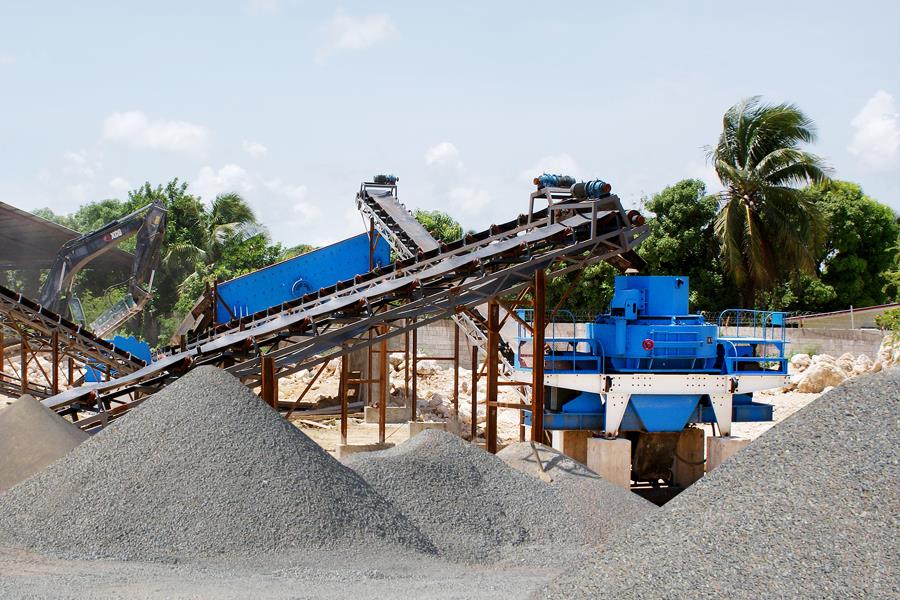
Why are impact crushers more commonly used in sand and gravel aggregate production lines
-
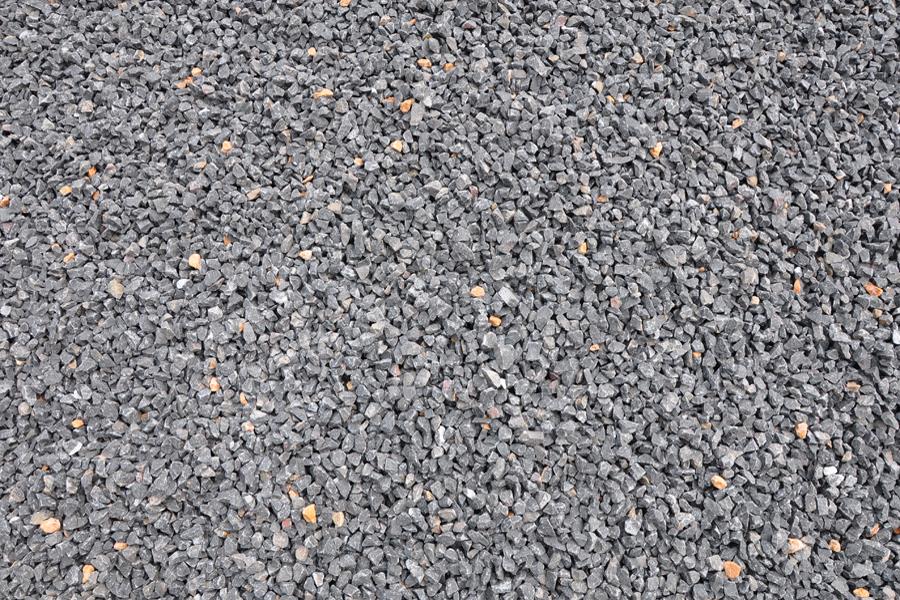
What is the price of a 300-tonne-per-hour tracked mobile impact crusher
-
-
Detailed Case Study of a 200-Ton-Per-Hour Bluestone Crushing Production Line