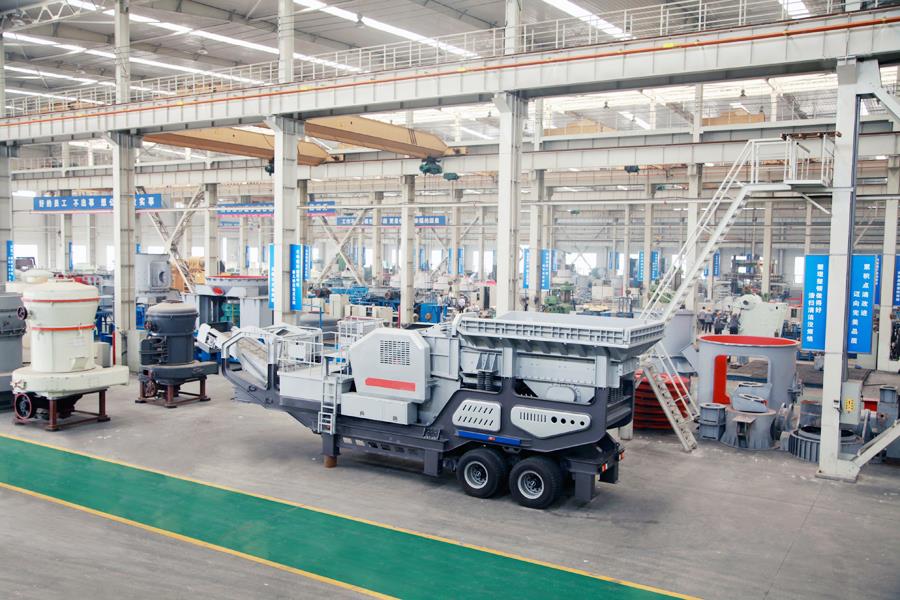
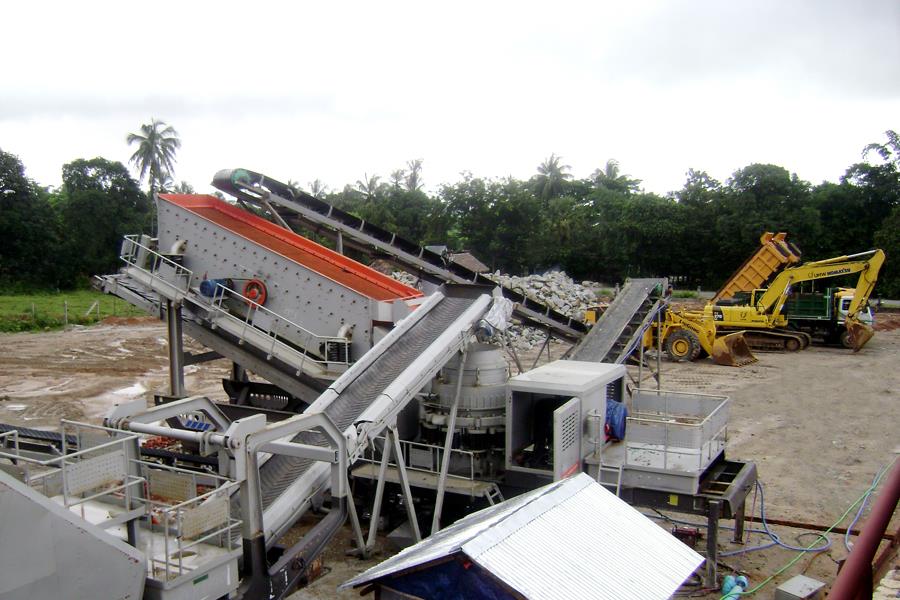
Precautions for Installing and Starting Up Sand and Gravel Aggregate Production Lines
To ensure efficient production of sand and gravel aggregate, proper installation is essential, while good operating practices and timely maintenance are crucial factors. Today, we share key points for installing, operating, and maintaining sand and gravel aggregate production lines.
1. Establish markers to control paving thickness, such as level reference stakes or elevation stakes. For quarry aggregate production lines, mark horizontal elevation lines on fixed building walls, trench edges, or slope surfaces, or drive leveling stakes into the ground.
2. When constructing projects where the groundwater level exceeds the trench bottom, implement drainage or groundwater lowering measures to keep the trench dry.
3. Prior to paving, organize a joint inspection of the trench with relevant units. This includes verifying axis dimensions, horizontal elevation, and geological conditions (e.g., presence of cavities, ditches, wells). All issues must be resolved and formalities completed before foundation work commences.
4. Inspect the stability of trench and pipe trench slopes. Remove loose soil and standing water from the base.
Key Operating Points for Crushing Production Lines
After preparing crushing production line equipment, follow the specified startup sequence. Pay attention to the following five aspects:
1. When starting the main motor, monitor the amperage meter on the control cabinet. After a 30-40 second startup peak current, the crushing production line equipment's current will drop to normal operating values.
2. During normal operation, ensure the sand and gravel production line's current does not exceed specified limits for extended periods.
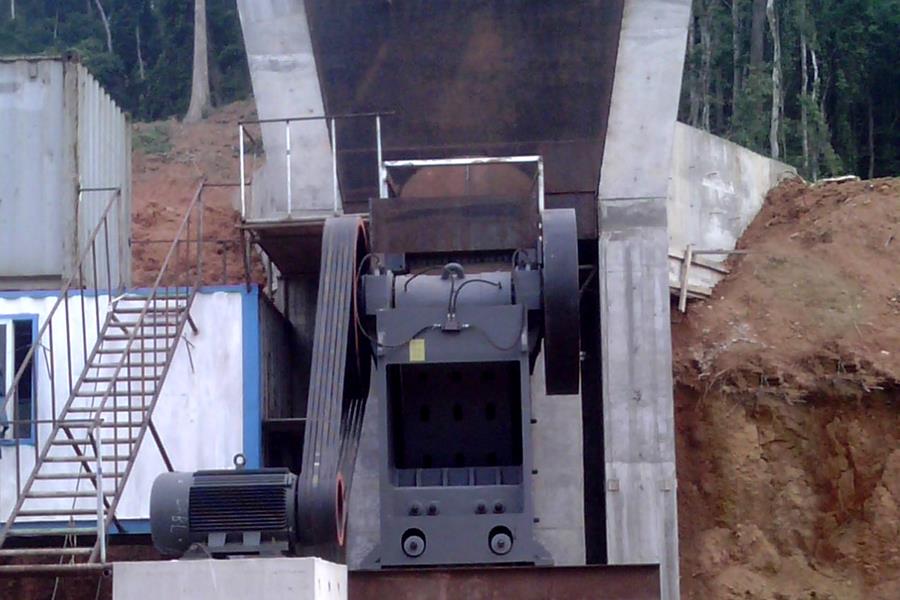
3. After the jaw crusher reaches stable operation, activate the feeder. Adjust the feeder belt speed based on feed size and crusher performance to regulate feed rate. Typically, material accumulation in the crushing chamber should exceed two-thirds of the chamber height. Optimal crusher capacity is achieved when feed diameter does not exceed 50%-60% of the inlet width. Larger material pieces may cause blockages and disrupt normal production.
4. Strictly prevent metallic objects (such as shovel teeth, track plates, drill bits, etc.) from entering the jaw crusher to avoid machine damage. If such objects pass through the jaw crusher, immediately notify the next station operator to remove them promptly, preventing entry into the secondary crushing system and potential accidents.
5. If electrical equipment trips automatically and the cause remains unknown, forcibly restarting the crushing equipment is strictly prohibited.
OCP Heavy Industry specializes in mining equipment manufacturing, offering comprehensive models and configurations at competitive prices. offering affordable pricing for complete stone crushing and sand production lines. Our dedicated sales team and technical experts tailor cost-effective cone crusher configurations based on user requirements and operational conditions. We provide premium after-sales support including complimentary installation training, regular follow-ups, and assistance with equipment maintenance and wear part replacement. OCP Heavy Industry delivers reliable solutions you can trust!
-

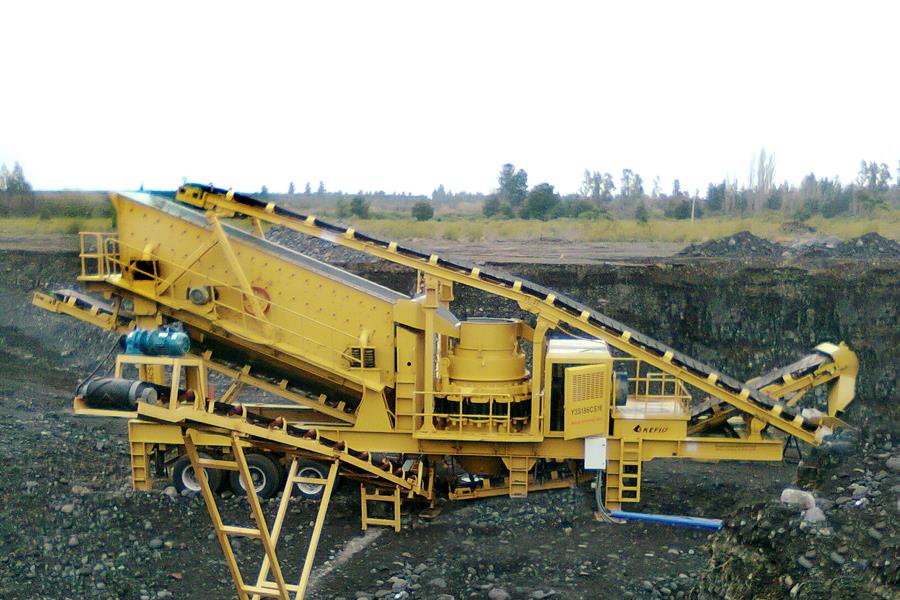
Regular inspection and maintenance of vibrating screens are essential
-
-
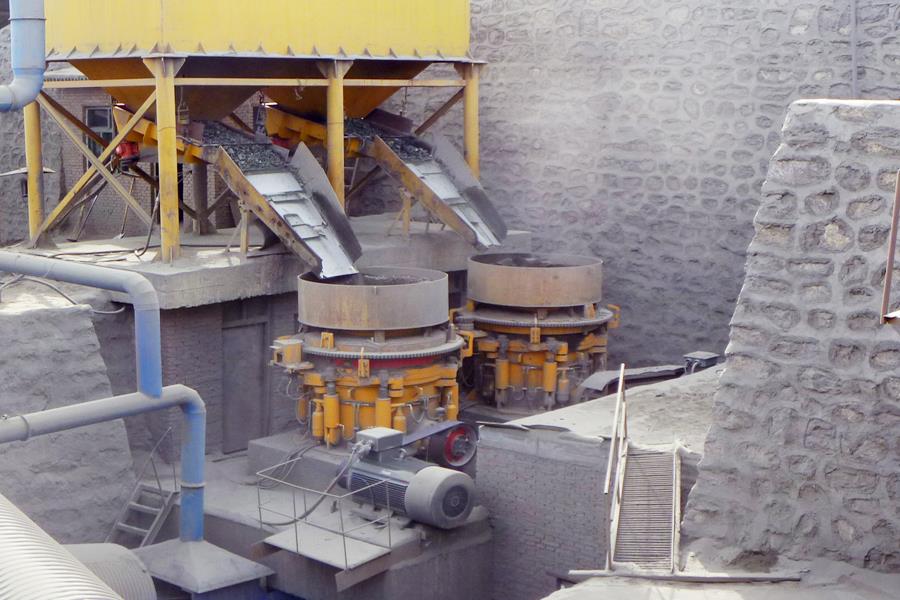
The Vital Role of Hydraulic Cone Crushers in Large-Scale Sand and Gravel Production Lines
-
How to Choose the Right Track-Mounted Mobile Crushing Station
-